Lagos Has Delivered 10,623 Homes in Seven Years, but 3.3m Housing Gap Persists

Lagos faces a housing deficit exceeding 3.3 million units
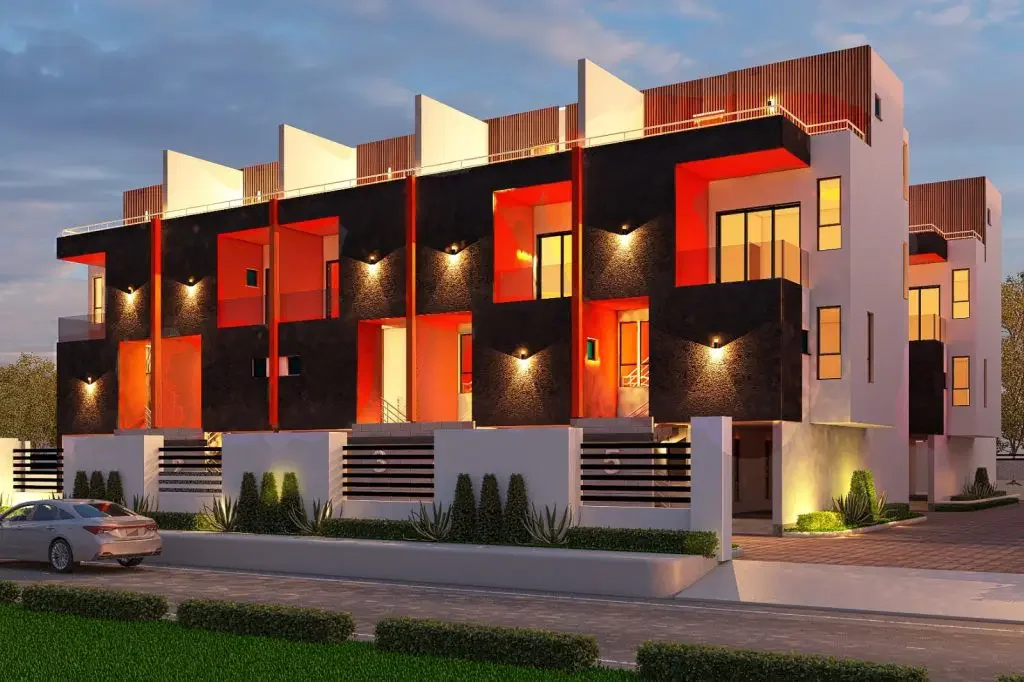
Lagos State has delivered 10,623 homes over seven years, but the state’s housing deficit remains above 3.3 million units, highlighting the scale of the challenge facing efforts to expand access to adequate accommodation.
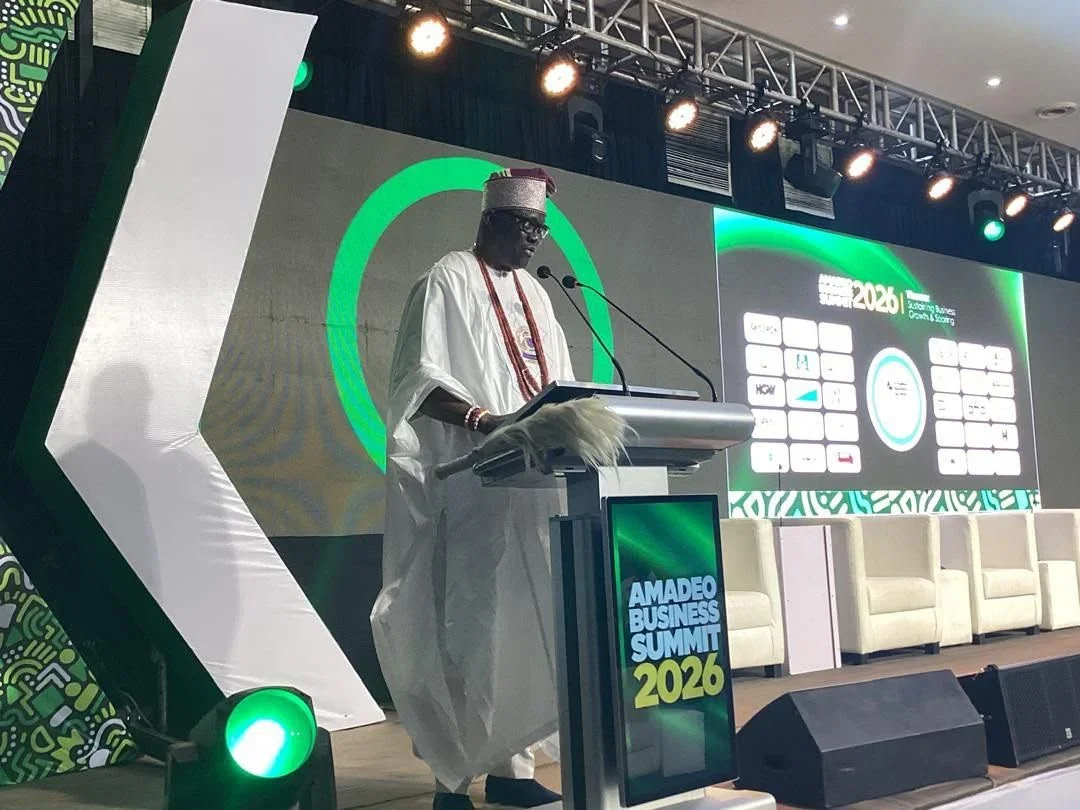
Governor Babajide Sanwo-Olu disclosed the delivery figures during the state’s commemoration of the 2026 World Habitat Day, themed Adequate Housing for All. Represented by the Commissioner for Housing, Moruf Akinderu-Fatai, he said housing policy must extend beyond constructing buildings to ensuring affordability, access to infrastructure, safe communities and suitable living conditions.
/ You Might Also Like /




The governor said the 10,623 homes comprised 4,414 units delivered through direct budgetary funding and 6,209 through public-private partnerships. He added that 23 housing estates had been completed across the state’s five divisions since 2019.
Sanwo-Olu
Housing Delivery Remains Below the Scale of Demand
The difference between the reported number of homes delivered and the estimated housing deficit illustrates the scale of Lagos’ residential supply challenge.
Independent estimates cited by the governor put the state’s housing gap above 3.3 million homes. The shortfall reflects the pressure placed on available accommodation by population growth, urbanisation and the concentration of economic activity in Lagos.
However, the challenge is not simply the number of houses built. The location, condition, price and availability of homes also determine whether residents can access suitable accommodation.
Housing that is beyond the financial reach of intended occupants does little to address their immediate needs, even when it increases the total housing stock. Similarly, developments without reliable roads, water, electricity and drainage may fail to provide the living conditions associated with adequate housing.
Sanwo-Olu said the state needed to assess housing delivery by considering affordability, quality and the environment surrounding each home, rather than focusing exclusively on construction figures.
Sanwo-Olu
Public-Private Partnerships Account for More Than Half of Reported Deliveries
Of the 10,623 homes the state says it delivered over seven years, 6,209 came through public-private partnerships, while 4,414 were financed directly through the state budget.
The figures highlight the role of private-sector participation in Lagos’ housing strategy. Partnerships can help mobilise development capital, construction expertise and project-management capacity beyond what government budgets can provide independently.
For developers, these arrangements can create opportunities to participate in residential projects and access land or other forms of government support, depending on the terms of individual agreements.
However, the contribution of partnerships should be assessed through completed and occupied homes, delivery timelines, infrastructure provision and affordability for intended buyers. The number of units delivered remains important, but it does not by itself establish how effectively the homes meet the needs of households across different income groups.
The scale of the remaining deficit also means that sustained delivery will require continued investment, efficient project execution and housing models that can reach more than the highest-income segments of the market.
Rent-to-Own and Lagos HOMS Target Homeownership
The governor also highlighted the state’s homeownership programmes, including the Rent-to-Own scheme and the Lagos Home Ownership Mortgage Scheme, known as Lagos HOMS.
Under the Rent-to-Own scheme, eligible first-time buyers can take possession of a home with a five per cent deposit and repay the balance over ten years. Lagos HOMS requires an equity contribution of up to 30 per cent, with repayment over a ten-year period, according to the governor.
Sanwo-Olu said more than 20,000 residents had received support through mortgage and rent-to-own schemes over the preceding 12 years.
Sanwo-Olu
These programmes are intended to reduce some of the barriers that prevent households from purchasing homes outright. Spreading payments over time can make homeownership more accessible to eligible buyers who have sufficient income to meet ongoing obligations.
However, the initial deposit is only one part of the affordability equation. Households must also be able to meet repayments, service charges, utility expenses and other costs associated with owning a property.
The reach of these programmes therefore depends on the prices of available homes, eligibility requirements, the stability of applicants’ incomes and the availability of suitable mortgage financing.
Proposed Tenancy Reforms Target Rent and Agency Charges
The state is also considering measures intended to address challenges in the rental market.
Sanwo-Olu said the proposed Tenancy and Recovery of Premises Bill before the Lagos State House of Assembly was designed to address arbitrary rent increases, illegal charges, the regulation of estate agents and delays in resolving tenancy disputes.
He added that proposals for monthly and quarterly rent payments were being considered.
Sanwo-Olu
The proposed measures reflect the importance of rental housing in a city where homeownership remains beyond the reach of many residents. Not every household can purchase a property, making access to secure and reasonably priced rental accommodation an important part of the housing system.
If enacted and effectively implemented, clearer tenancy rules could help define the obligations of landlords, tenants and property agents, while providing a framework for resolving disputes.
The practical effect will depend on the final provisions of the legislation, enforcement arrangements and the accessibility of dispute-resolution mechanisms. The proposals should not be treated as measures already in force.
Adequate Housing Requires Infrastructure and Safe Communities
The governor’s World Habitat Day message placed infrastructure, safety and living conditions alongside the construction of new homes.
These factors directly affect the quality and cost of residential accommodation. Poor roads can increase commuting time and transport expenses, while unreliable electricity and water supply may force households to spend more on alternative services.
Inadequate drainage and waste management can also affect public health, property maintenance and the long-term condition of residential neighbourhoods.
For developers, the provision of infrastructure adds to project costs, particularly where public services are unavailable. Those expenses can ultimately influence the prices charged to buyers and tenants.
Coordinated planning between government and private developers is therefore important to ensure that housing estates are supported by essential services and connect residents to employment, transport and community facilities.
Expanding housing supply without addressing these wider requirements risks increasing the number of residential buildings without delivering the full benefits of adequate housing.
Outlook
Lagos’ reported delivery of 10,623 homes over seven years demonstrates the contribution of public funding and private-sector partnerships to the state’s housing programme. Yet the estimated deficit of more than 3.3 million homes shows that the challenge remains substantial.
The state’s homeownership schemes and proposed tenancy reforms address different parts of the problem: enabling eligible households to purchase homes and improving the framework governing rental accommodation.
The broader test will be whether these initiatives can expand the supply of completed homes, improve affordability and ensure that residents have access to reliable infrastructure and secure living conditions.
For Lagos’ housing market, progress will depend not only on how many homes government and developers deliver, but also on whether households can afford them and live in safe, well-serviced communities.
READ MORE