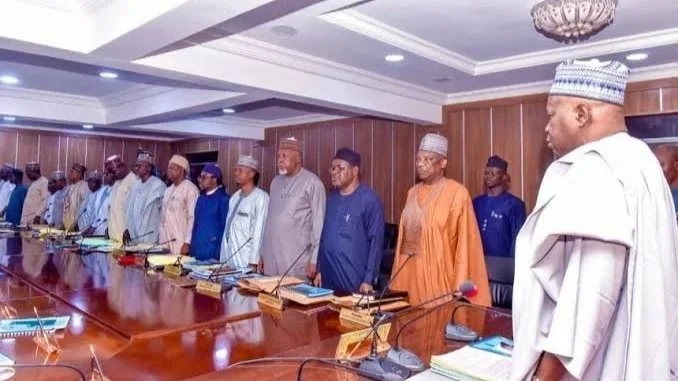
Gombe State Government signs contracts for seven road projects
The Gombe State Government has signed contracts with construction companies for seven road projects covering approximately 97 kilometres across four local government areas, as part of efforts to improve rural connectivity and stimulate economic activities.
/ You Might Also Like /




The projects span Balanga, Kaltungo, Shongom and Yamaltu-Deba Local Government Areas. They aim to improve access to markets, facilitate the transportation of agricultural produce and connect underserved communities to economic opportunities.
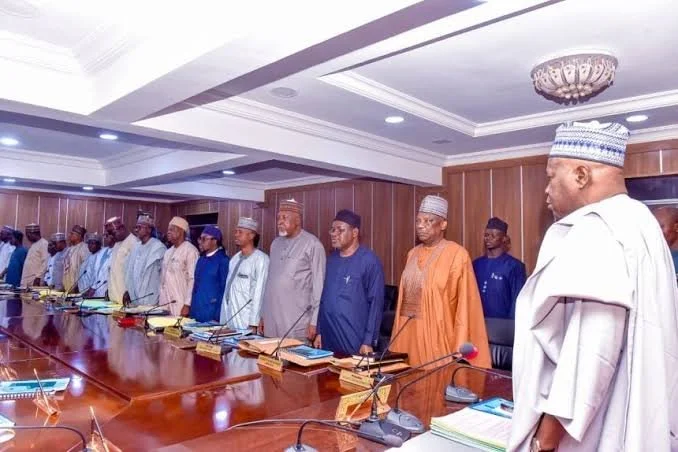
The Ministry of Works and Infrastructure organised the contract-signing ceremony, which brought together government officials and representatives of the construction companies.
Commissioner for Works and Infrastructure, Shehu Yerima Abdullahi, said the projects formed part of Governor Muhammadu Inuwa Yahaya’s infrastructure development agenda, which seeks to extend road construction beyond urban centres and improve living conditions in rural communities.
He urged the contractors to comply with approved engineering specifications, quality standards and contractual obligations. He also said the ministry would monitor implementation to ensure timely delivery and adherence to required standards.
Seven Road Projects Across Four Local Government Areas
The seven contracts cover a range of rural and inter-community routes intended to strengthen connections between settlements and improve movement across the state.
The projects include:
Talasse-Bangu-Boka Bundi-Walalunguda Road: An 18.9-kilometre road, including a spur to Dalawaja.
Degri-Sikam-Nyuwar Kindiyo Road: The first phase covers four kilometres.
Lapan-Labariya-Lasanjan-Latatar-Lakunturum Road: A 38-kilometre route, including a spur to Burak.
Bangunji-Dadiya-Yelwa-Gombe/Yola Road: A 15-kilometre project.
Kurjale-Pata Road: A nine-kilometre route.
Dogon Ruwa-Kaltin Road: A 10.5-kilometre project.
Kunuwal Road Network: A 1.5-kilometre road project.
The construction companies involved include EEC International Limited, SWAS GRADE Limited and DATUM Construction Nigeria Limited.
Representatives of the companies welcomed the contracts and pledged to execute the projects in line with the approved specifications and contractual requirements.
Road Projects Target Rural Connectivity and Agricultural Trade
The projects are expected to improve transportation between rural communities and urban centres, particularly for farmers and businesses that depend on road networks to move goods to markets.
Poor rural road infrastructure can increase transportation costs, delay the movement of agricultural produce and restrict access to essential services. Improved connections could therefore support agricultural trade and commercial activities across the benefiting local government areas.
For property development, better road access can also improve the accessibility of previously underserved locations and support economic activity around connected communities. However, the extent to which the projects influence land values, housing development and private investment will depend on their eventual completion and the quality of the infrastructure.
The contracts also form part of the state government's wider Network 1,100 Kilometres Road Initiative, which seeks to expand road infrastructure and improve connectivity across Gombe State.
Government Promises Monitoring and Quality Assurance
The state government has emphasised the need for contractors to deliver the projects within agreed timelines and maintain the required engineering standards.
Abdullahi said the Ministry of Works and Infrastructure would sustain monitoring and supervision throughout implementation. Permanent Secretary of the ministry, Danladi Adamu, also described the contract-signing exercise as an important step towards effective project execution and delivery.
The latest contracts add to Gombe's infrastructure expansion programme, with the government expecting the roads to reduce transportation difficulties and improve access to markets and public services.
The impact of the investment will ultimately depend on timely construction, proper supervision and the long-term maintenance of the completed roads. For rural communities, reliable road connections could strengthen agricultural distribution, improve mobility and create better conditions for economic and property development.
READ MORE