CBN Courts Asian Investors as Nigeria Seeks Deeper Capital Markets
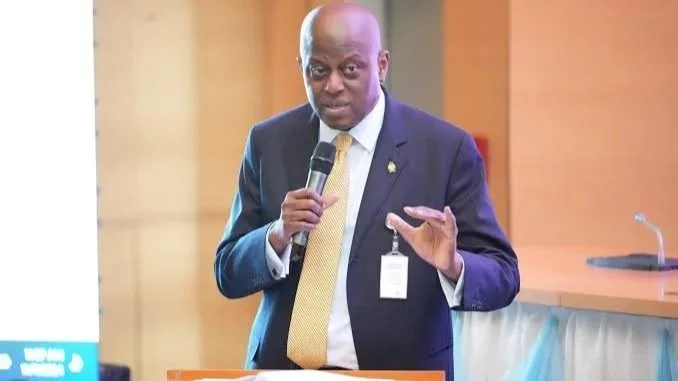
CBN Governor Olayemi Cardoso seeks stronger financial ties with Asian markets
The Central Bank of Nigeria (CBN) is strengthening financial ties with Singapore and other Asian markets as it seeks to attract long-term investment, improve financial-market connectivity and build deeper capital markets.
CBN Governor Olayemi Cardoso led the engagements in Singapore ahead of the International Monetary Fund and World Bank Group Annual Meetings in Bangkok. The meetings included discussions with the Monetary Authority of Singapore (MAS), the signing of a memorandum of understanding with the Global Finance & Technology Network (GFTN) and the Nigeria–Asia Financial Connectivity Dialogue.
/ You Might Also Like /




The engagement forms part of the central bank’s efforts to translate Nigeria’s financial-sector reforms into sustained investor participation, stronger institutional relationships and improved access to international markets.
CBN Targets Deeper and More Liquid Financial Markets
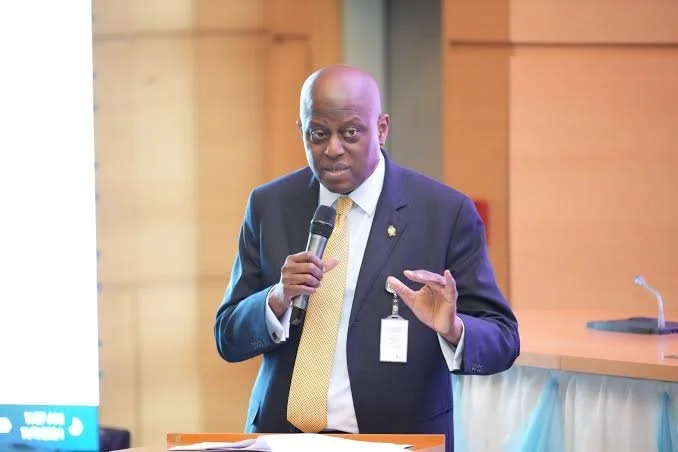
Speaking at the Nigeria-Asia Financial Connectivity Dialogue, Cardoso said Nigeria’s financial-sector reforms were intended to create deeper, more liquid and internationally connected markets.
He said reforms to the foreign exchange market were designed to address distortions, improve transparency and strengthen confidence in the rules governing market participation.
Cardoso stressed that attracting investment once would not be sufficient without conditions that encourage investors to retain, reinvest and expand their capital in Nigeria.
He identified credible monetary policy, stronger governance, predictable regulation and improved market functioning as important conditions for sustained domestic and international investment.
Deeper financial markets can improve the ability of businesses and governments to raise capital through a broader range of instruments and investors. Greater liquidity can also make it easier for participants to buy and sell financial assets without causing large price movements.
However, international engagement alone does not guarantee higher investment flows. Investors will continue to assess currency risks, returns, regulatory certainty, macroeconomic conditions and the ability to move capital through the financial system.
Singapore Partnership Opens New Financial Innovation Opportunities
The CBN signed a memorandum of understanding with the Global Finance & Technology Network to establish a framework for cooperation on financial innovation.
The agreement is expected to connect financial institutions and innovation ecosystems in Nigeria and Singapore and provide a platform for identifying practical areas of collaboration.
Cardoso highlighted the potential role of financial technology and artificial intelligence in improving financial services, strengthening risk management, supporting financial inclusion and enhancing regulatory capabilities
The central bank also held discussions with the Monetary Authority of Singapore on financial-sector development, regulation, market connectivity and emerging technologies.
Such institutional relationships can provide opportunities to exchange expertise and explore approaches to financial-market development. Their practical value, however, will depend on the initiatives that follow, including implementation arrangements and measurable improvements to financial services.
Nigeria Seeks Stronger Banking and Payment Links With Asia
Cardoso said Nigeria’s engagement with Asia was intended to build lasting connections between financial institutions, businesses and markets, rather than focus solely on attracting investment flows.
He identified stronger relationships between Nigerian and Asian banks, improved payment and settlement channels and increased participation by Nigerians living and working across Asia as potential areas for cooperation.
More efficient financial connections could support cross-border transactions and commercial relationships between businesses operating in the two regions.
For investors, effective payment systems and predictable settlement arrangements can reduce some of the operational difficulties associated with international transactions. For businesses, stronger institutional links may create additional channels for trade and financing.
The CBN said the Singapore engagements form part of a wider programme of financial and institutional outreach across Asia, with further meetings planned in Beijing.
What Deeper Capital Markets Could Mean for Housing Finance
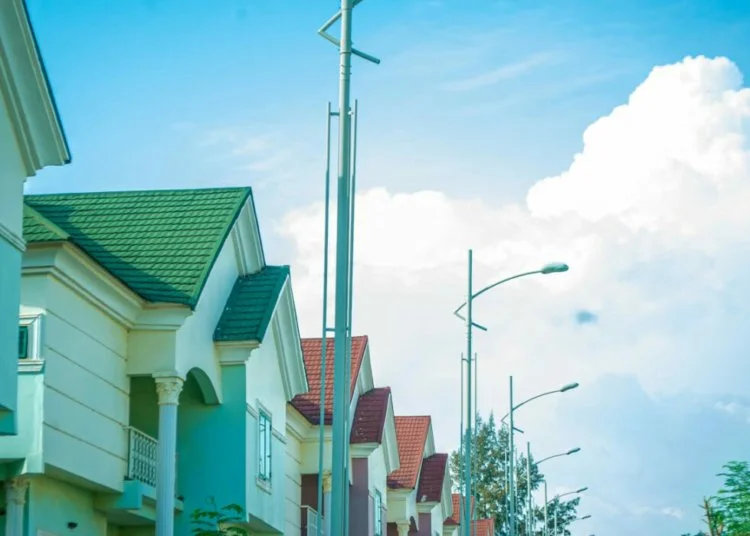
The development of Nigeria’s financial markets also has implications for housing and real estate investment.
Housing projects typically require substantial upfront capital, while developers may wait months or years to recover their investment through property sales or rental income. Access to longer-term funding can help developers manage these timelines and finance projects that would be difficult to support through short-term borrowing alone.
A more developed capital market can provide channels for raising funds through bonds, listed securities and other investment instruments. Depending on the structure, these instruments can help channel institutional and private capital into housing development, mortgage lending and infrastructure.
For Nigeria, stronger international financial relationships could widen the pool of potential investors available to eligible housing-related projects. However, this outcome is not automatic: the CBN’s reported engagements did not announce a dedicated housing-finance facility or a specific allocation for residential development.
The impact on housing will depend on whether financial-market development translates into accessible, appropriately priced funding for mortgage institutions, developers and infrastructure providers.
The terms of that funding will also matter. High borrowing costs can make residential projects more expensive and reduce the number of households able to afford completed homes. Greater liquidity must therefore be accompanied by financing arrangements that suit the long-term nature of housing investment.
Investor Confidence Remains Central to Reform Outcomes
The CBN’s engagement with Asian institutions comes as Nigeria seeks to strengthen confidence in its foreign exchange market and broader financial system.
Improved transparency and predictable rules can help investors assess risks and make longer-term commitments. Strong governance and consistent policy implementation can also support confidence in the institutions responsible for regulating and operating financial markets.
Nevertheless, the durability of investment flows will depend on the outcomes of reforms rather than the number of international meetings held. Investors will continue to monitor currency stability, inflation, regulatory consistency, market liquidity and the ease of executing transactions.
For Nigerian businesses, the relevant test will be whether stronger financial-market connections improve access to capital and reduce obstacles to financing productive investment.
Outlook
Cardoso’s engagement with Singapore and other Asian markets reflects the CBN’s efforts to strengthen international financial relationships, promote innovation and attract longer-term capital.
The memorandum of understanding with GFTN and discussions with the Monetary Authority of Singapore establish frameworks for cooperation, but their wider economic impact will depend on implementation and the development of practical initiatives.
For Nigeria’s real estate sector, deeper capital markets could create additional funding opportunities for housing, mortgages and supporting infrastructure. Turning that potential into more affordable housing will require financial products that match project timelines, manageable borrowing costs and investment structures that reach viable residential developments.
The broader measure of success will be whether stronger international connections lead to more efficient markets, sustained investment and improved access to financing across Nigeria’s productive sectors.
READ MORE