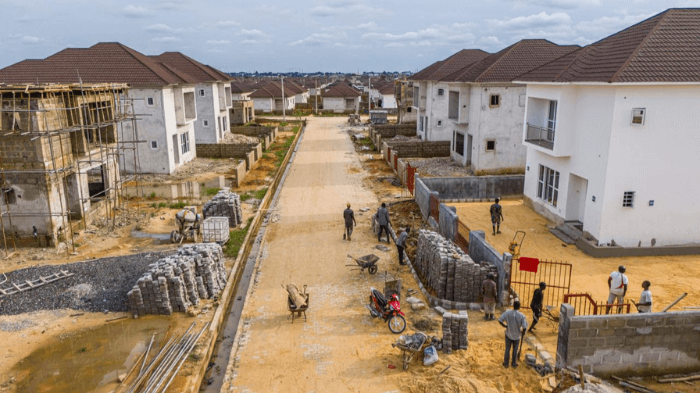
Experts Urge Parties to Prioritise Housing Ahead of 2027 Elections
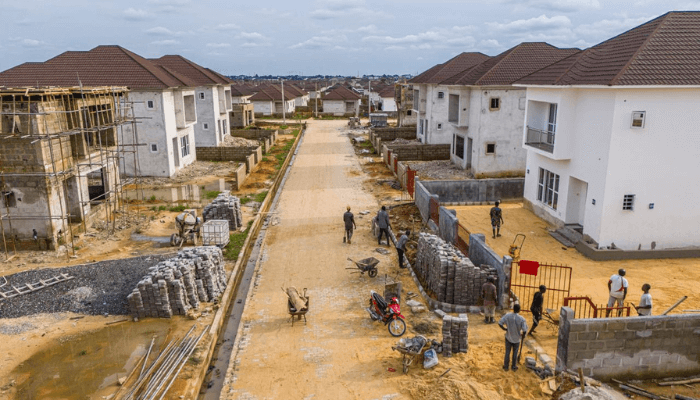
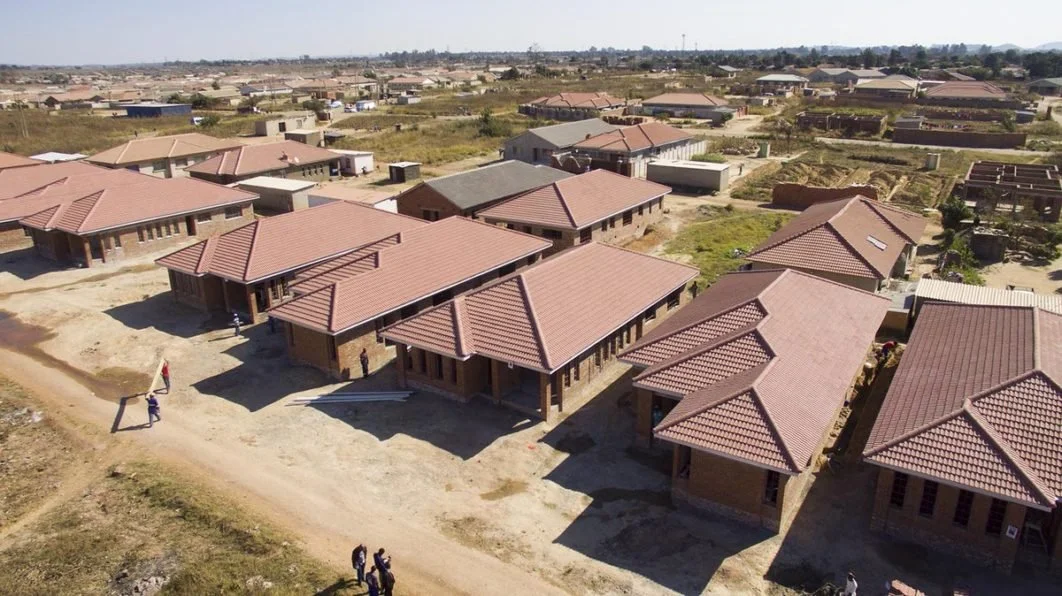
Housing experts have called on political parties and presidential candidates to make more ambitious and measurable housing commitments ahead of Nigeria’s 2027 general elections, warning that current political promises fall short of the scale of the country’s housing shortage.
/ You Might Also Like /




The experts said Nigeria needs to deliver hundreds of thousands of homes annually to address its housing deficit, but current construction output remains significantly below estimated requirements. They argued that candidates must move beyond broad promises to build affordable homes and present clear targets, financing strategies and implementation plans.
The recommendations emerged during an Arise News programme that examined the housing manifestos of leading political parties, including the All Progressives Congress (APC), Social Democratic Party (SDP) and Allied People’s Movement (APM).
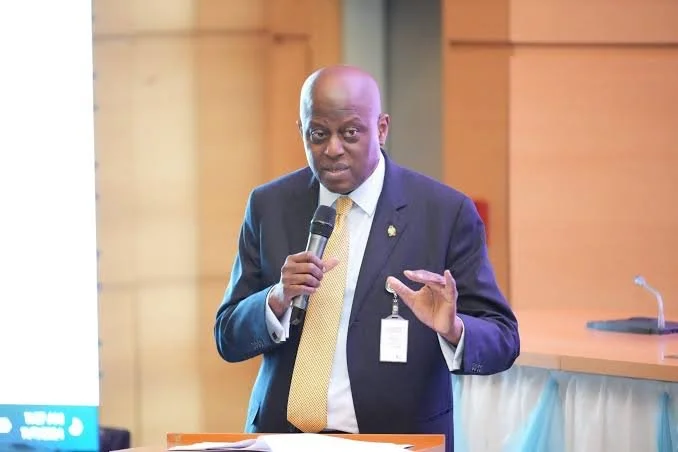
The discussion featured Comfort Olugbami, founder and managing director of 1159 Realty; Tunde Balogun, founder and chief executive officer of Small Small; and Ayo Ibaru, chief investment officer at Panterra.
Their contributions focused on Nigeria’s housing supply gap, the affordability crisis and the need for political leaders to treat housing as a major economic and development priority.
Nigeria’s Housing Delivery Falls Short of Annual Requirements
Nigeria's housing deficit is estimated at 28 million units, according to figures cited in the BusinessDay report. The country would need to construct approximately 700,000 homes annually over the next decade to make substantial progress towards closing the gap.
However, annual housing output currently stands at slightly above 50,000 units, leaving a significant difference between the number of homes produced and the country's estimated requirements.
The experts argued that Nigeria needs to increase annual housing delivery to more than one million units to keep pace with population growth and rising demand.
Olugbami described Ethiopia's housing ambitions as an example of what sustained government investment could achieve. Ethiopia's Prime Minister, Abiy Ahmed, announced plans to construct 1.5 million homes over five years, building on previous housing delivery programmes.
Ethiopia reportedly delivered 1.2 million homes under an earlier programme, according to figures cited during the discussion.
Balogun said Nigeria should reassess its housing delivery ambitions, noting that Ethiopia had made progress despite having a smaller population.
Ibaru, however, cautioned against assessing Ethiopia's target without considering its population and actual housing requirements. He estimated that the country would need to build between 450,000 and 500,000 homes annually to meet its needs.
The comparison highlighted the importance of measuring housing commitments against population growth, household formation and the actual demand for affordable accommodation.
Housing Affordability Remains Beyond the Reach of Many Nigerians
Beyond the number of homes constructed, the experts identified affordability as one of Nigeria's most significant housing challenges.
With the national minimum wage at ₦70,000 monthly, the conventional affordability benchmark of allocating no more than 30% of household income to housing translates to approximately ₦21,000 per month.
This illustrates the difficulty low-income earners face in accessing decent accommodation, particularly in urban centres where rents and property prices remain high relative to earnings.
Olugbami argued that prevailing rental prices and available mortgage arrangements do not reflect the financial capacity of many Nigerian households.
She also stressed that developers cannot independently resolve the affordability challenge without government intervention and improvements in household incomes.
The issue extends beyond the availability of mortgage products. Even when buyers can access financing, high property prices, initial equity contributions and monthly repayment obligations can prevent lower-income households from qualifying.
Consequently, increasing housing supply without addressing household purchasing power may not deliver meaningful improvements in access to affordable homes.
Experts Call for More Ambitious Housing Commitments
The panel argued that political parties should provide specific and measurable housing targets rather than rely on general campaign promises.
They said presidential candidates should explain how many homes they intend to deliver, where the developments will take place, which income groups they will serve and how the projects will be financed.
The experts also called for greater attention to the conditions that determine housing production, including access to land, construction financing, infrastructure and building materials.
For developers, the cost of land acquisition, construction inputs and infrastructure provision can significantly influence the final price of homes. Addressing these constraints will therefore remain important to any government seeking to expand affordable housing delivery.
The experts' position reflects a broader industry concern that housing programmes require sustained investment and coordinated policy implementation rather than isolated projects or targets announced during election campaigns.
Ethiopia's Housing Programme Raises Questions for Nigeria
Ethiopia's plan to deliver 1.5 million homes over five years has renewed debate about the scale of housing investment African governments can mobilise.
The programme provides a point of comparison for Nigeria, where rapid urbanisation, population growth and rising construction costs continue to increase pressure on housing supply.
Olugbami said Ethiopia's reported delivery of 1.2 million homes under an earlier programme demonstrated the importance of sustained investment and ambitious housing targets.
However, Ibaru emphasised that housing delivery figures must reflect the actual needs of the population. He argued that Ethiopia's proposed target should also be assessed against its estimated annual housing requirements.
For Nigeria, the comparison raises questions about institutional capacity, construction financing, land availability and the ability of government programmes to deliver homes at scale.
The challenge is not simply to announce large numbers but to establish financing and delivery structures capable of sustaining construction over several years.
Housing Takes on Greater Importance Ahead of 2027 Elections
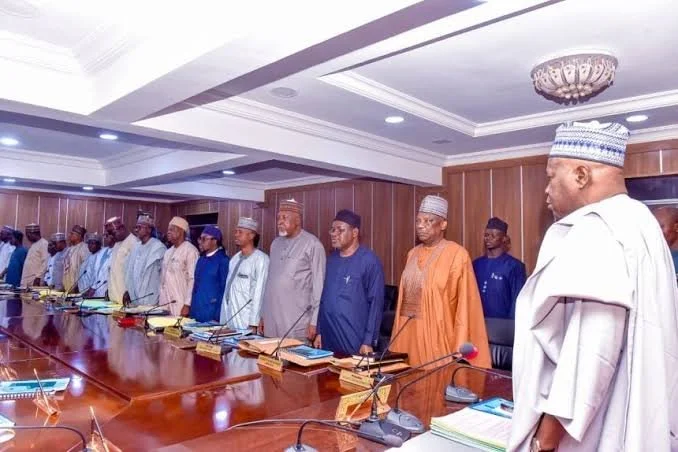
The experts' recommendations come as political parties prepare their policy positions ahead of the 2027 general elections.
They argued that housing should receive greater attention in campaign manifestos because of its connections to employment, household welfare, economic activity and urban development.
A more comprehensive housing strategy would need to address both homeownership and rental accommodation, particularly for Nigerians who cannot immediately qualify for mortgages.
The experts also stressed that government intervention remains necessary to improve affordability and encourage developers to provide homes that reflect the income levels of ordinary Nigerians.
For policymakers, investors and property professionals, the debate highlights the need for political commitments that go beyond construction targets. The effectiveness of future housing programmes will depend on the financing arrangements, implementation capacity and affordability of the homes delivered.
As the 2027 elections approach, the experts want political candidates to explain not only how many homes they intend to build but also how ordinary Nigerians will afford to live in them.
READ MORE