Julius Berger Delivers New 9-Storey Corporate Tower for Northwest Petroleum in Lagos
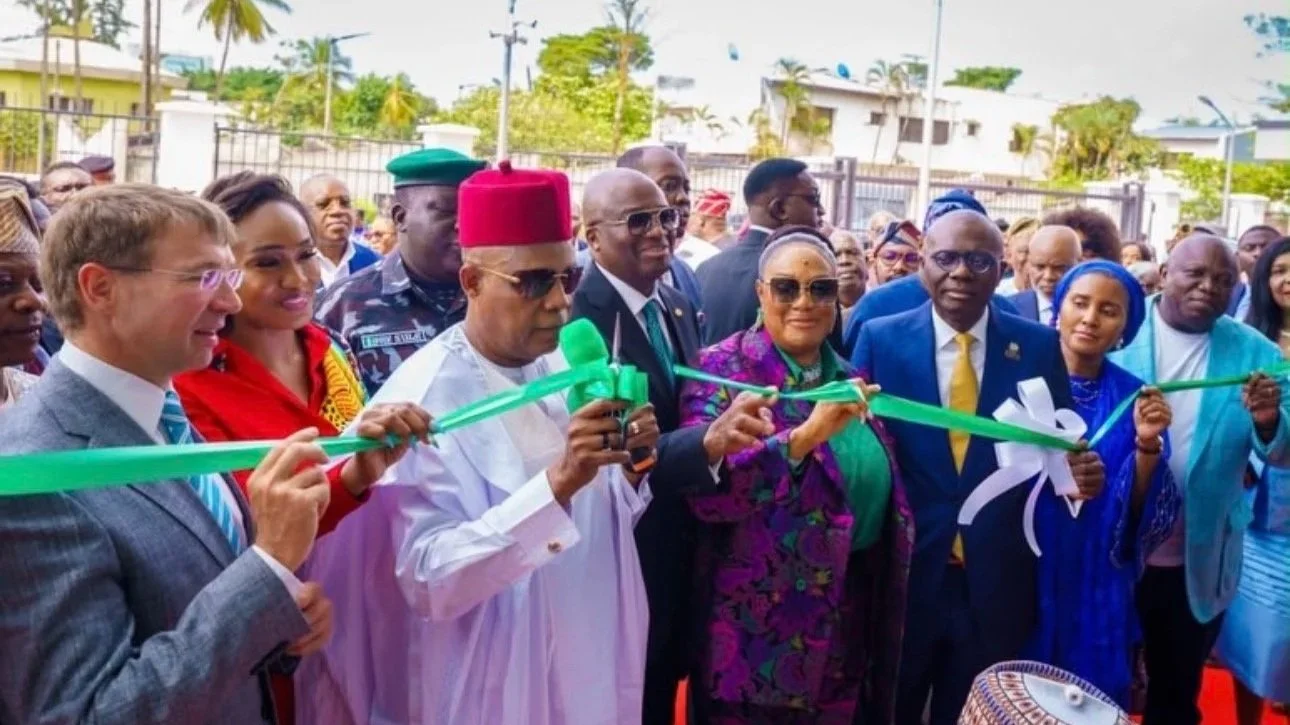
Northwest Petroleum’s new corporate headquarters in Victoria Island, Lagos
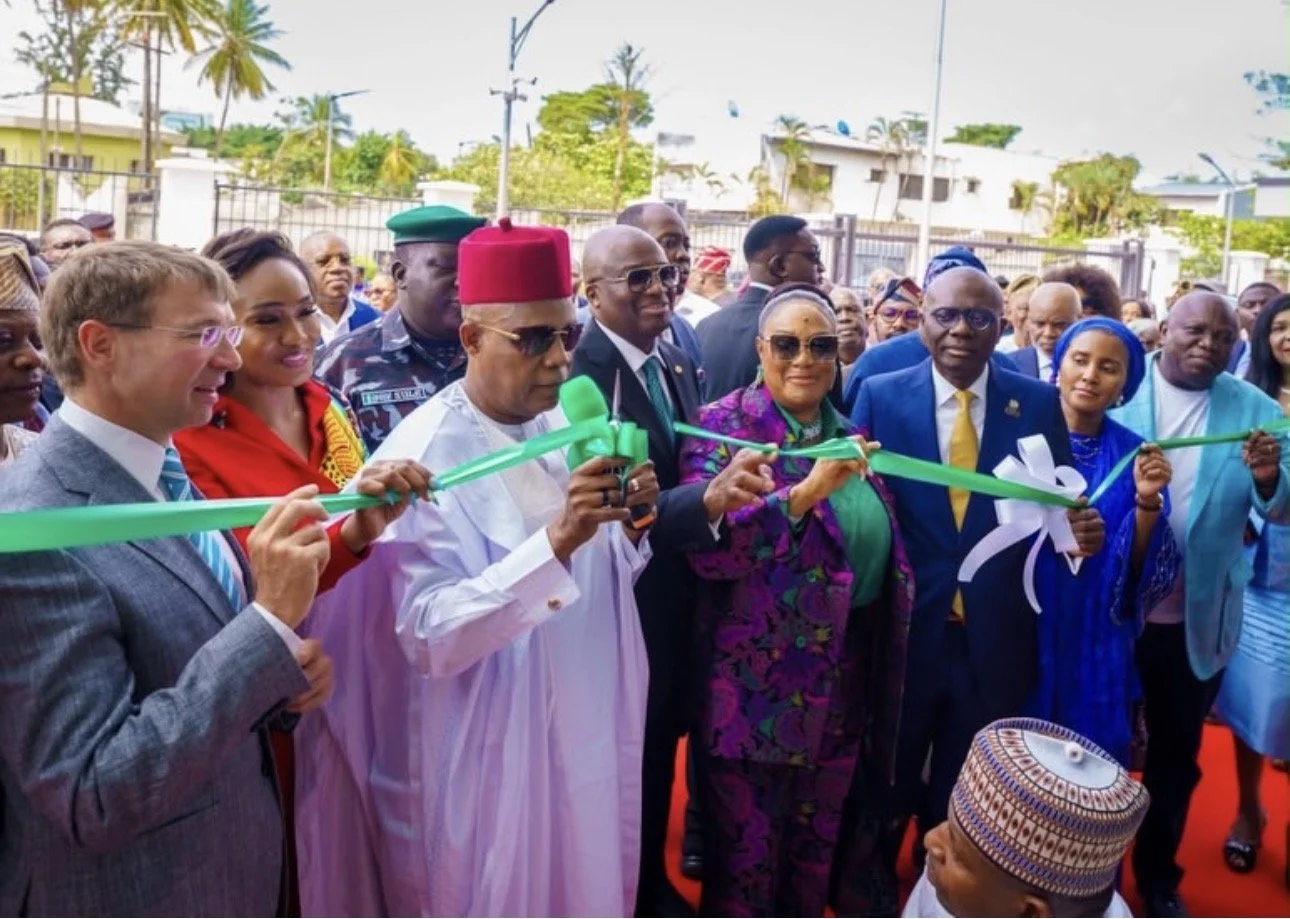
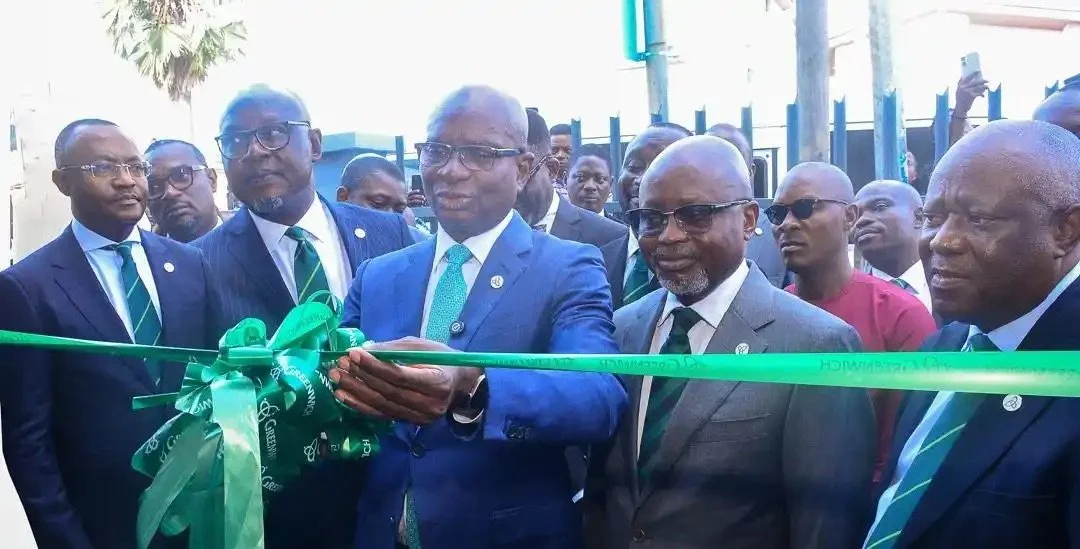
Nigeria’s corporate real estate market has gained another major development with the completion of a nine-storey headquarters for Northwest Petroleum & Gas Company Limited in Victoria Island, Lagos, delivered by Julius Berger Nigeria Plc.
The new facility, officially inaugurated on October 2, adds more than 7,800 square metres of gross floor area to one of Lagos’ most established commercial districts. The main office tower accounts for about 7,352 square metres of the development.
/ You Might Also Like /




The project reflects continued private-sector investment in high-quality commercial property in Lagos, where demand for strategically located office space remains closely linked to the concentration of financial, energy and professional services businesses.
Corporate Investment Continues to Shape Lagos’ Property Market
The Northwest Petroleum headquarters forms part of a broader pattern of corporate investment in purpose-built office infrastructure across Lagos.
Victoria Island remains one of the city’s most important commercial locations, with its proximity to financial institutions, energy companies and professional services firms supporting demand for premium office properties.
The completion of another large corporate facility therefore extends beyond the individual company. It reinforces the role of commercial real estate as infrastructure supporting business expansion, employment and investment activity in Nigeria’s economic centre.
Vice President Kashim Shettima, who inaugurated the building, described the development as a sign of confidence in Nigeria’s private sector and indigenous enterprise. Lagos Governor Babajide Sanwo-Olu similarly highlighted the importance of private investment to the state’s economic growth.
Julius Berger Highlights Local Construction Capacity
One of the more significant aspects of the project is the extent of local expertise involved in its delivery.
Julius Berger said the design and engineering work was executed in Nigeria by PrimeTech Design & Engineering Nigeria Limited. The project also featured a fully unitised curtain-wall system manufactured in Nigeria using Evonig glass and produced and installed by Abumet Nigeria Limited.
This provides a useful indication of how Nigeria’s construction value chain is developing beyond basic building activity.
The ability to design, engineer, manufacture and install sophisticated building components locally can reduce dependence on imported construction inputs while creating opportunities for domestic manufacturers and specialist contractors.
For the wider property market, stronger local construction capacity could become increasingly important as developers contend with high material costs, foreign-exchange pressures and the need to improve project delivery efficiency.
Energy Sector Growth Is Driving Demand for Commercial Property
Northwest Petroleum’s investment in a dedicated headquarters also demonstrates how expansion in strategic economic sectors can generate demand for supporting real estate.
The company, established in 1998, operates across petroleum products trading, storage, supply and related activities. It has also expanded its physical footprint in Lagos, including a lubricant blending plant at Ijegun-Egba and a major retail station in Maryland.
A purpose-built headquarters allows the company to consolidate management and operations within a modern corporate environment while providing infrastructure for future expansion.
The development illustrates the connection between business investment and commercial property: as companies expand their operations, demand increases for offices, warehouses, industrial facilities, logistics infrastructure and other specialised real estate.
Commercial Real Estate Remains Concentrated in Strategic Locations
The Northwest Petroleum project also reinforces the importance of location in Lagos’ commercial property market.
Victoria Island has developed into a major corporate and financial district, combining office development with high-value residential and mixed-use real estate. Limited land availability and proximity to major business clusters have supported premium property values in the area.
The continued construction of large corporate headquarters therefore contributes to the gradual transformation of Lagos’ urban skyline and the intensification of commercial land use in established business districts.
At the same time, the concentration of premium developments in locations such as Victoria Island highlights the uneven distribution of commercial investment across the wider Lagos metropolitan area.
Private Investment Remains Critical to Property Development
The project also highlights the importance of private capital in expanding Nigeria’s built environment.
Government investment remains critical for roads, drainage, public utilities and other infrastructure that make urban development viable. However, private companies provide much of the capital behind commercial buildings, industrial facilities, residential developments and other income-generating properties.
The Federal Ministry of Information said the Northwest Petroleum headquarters aligns with efforts to mobilise private capital, strengthen indigenous businesses and position the private sector as a driver of economic growth.
For the property market, sustained private-sector investment will remain essential to expanding the stock of modern commercial and industrial buildings as Nigeria’s businesses grow.
Outlook for Lagos Commercial Property
The completion of the Northwest Petroleum headquarters comes as Lagos continues to attract major corporate developments, particularly around established commercial districts and emerging high-value business corridors.
Julius Berger’s project demonstrates that demand for sophisticated corporate facilities remains present despite the broader challenges facing Nigeria’s property and construction sectors.
More importantly, its local design, engineering and manufacturing components point to the potential for domestic construction capacity to play a larger role in future commercial developments.
As businesses continue to invest in expansion, the resulting demand for offices, industrial facilities, logistics assets and supporting infrastructure could remain an important component of Lagos’ real estate market.
READ MORE