Greenwich Bank Begins Commercial Operations With Three Lagos Branches
Greenwich Bank begins commercial expansion
Greenwich Bank Limited has commenced operations as a regional commercial bank, opening three branches in Lagos as it expands beyond its traditional merchant and institutional banking activities.
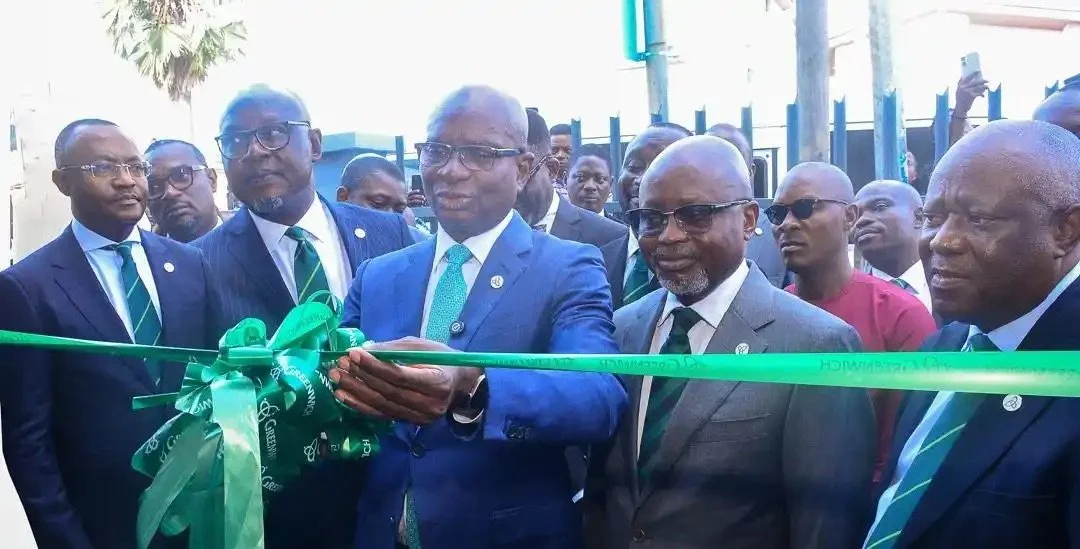
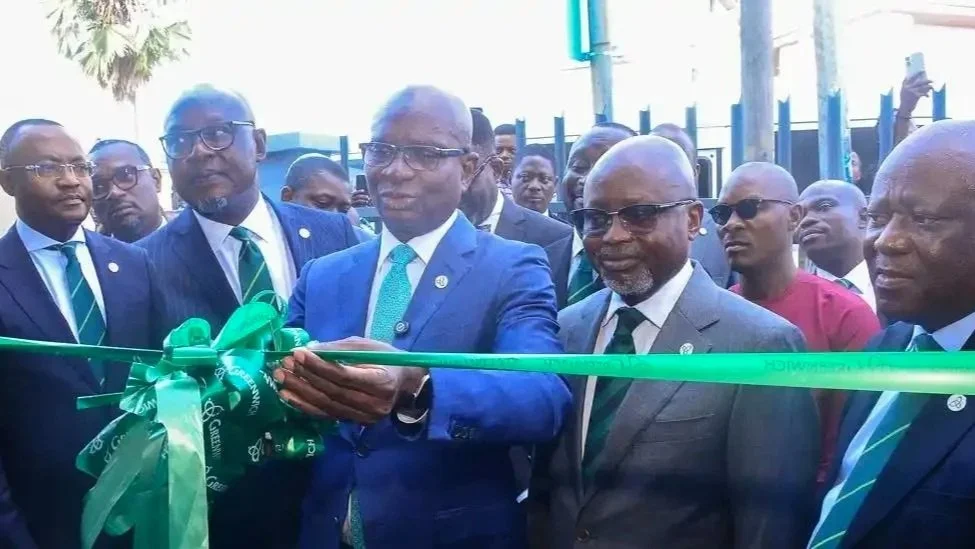
The bank officially opened branches in Surulere, Ikoyi and Victoria Island on October 2, marking the first major phase of its physical expansion following regulatory approval in August to operate as a regional commercial bank.
/ You Might Also Like /




The transition allows Greenwich Bank to extend its services to individuals, small and medium-sized enterprises (SMEs), commercial organisations and public-sector institutions, broadening its potential role in Nigeria’s financial system.
Greenwich Broadens Its Banking Mandate
The move represents a significant change in Greenwich’s business model after more than three decades of operations across stockbroking, financial advisory, issuing-house services, investment banking and merchant banking.
Group Chairman of Greenwich Holdings, Kayode Falowo, described commercial banking as a natural progression for the group following its experience across different segments of Nigeria’s financial-services industry.
The new licence gives Greenwich the ability to take its institutional banking expertise into a broader market, including households and smaller businesses that traditionally have had less direct access to relationship-driven banking services.
Three Lagos Branches Mark First Phase of Expansion
The initial physical network covers Surulere, Ikoyi and Victoria Island, three locations with significant concentrations of households, businesses and corporate activity.
The branches will operate alongside Greenwich’s digital banking channels, giving customers access to both physical relationship management and technology-enabled services.
The bank also plans to expand beyond Lagos, with additional branches planned for Akure in Ondo State and Ado-Ekiti in Ekiti State. Further expansion is expected across the South-West, South-South, North-West and Federal Capital Territory, while the group has indicated an ambition to pursue a national banking licence in the medium term.
SMEs Could Become a Key Growth Market
Greenwich’s commercial banking strategy could increase competition for SME and business customers, particularly as the bank seeks to apply its experience in corporate and institutional finance to smaller enterprises.
Managing Director of Greenwich Bank, Benson Ogundeji, said the commercial banking licence would allow the institution to build on its corporate and institutional banking heritage while extending its relationship-based model to individuals, SMEs and a wider range of businesses.
Greater competition among banks could potentially improve the range of financial products available to businesses, although the ultimate impact will depend on lending costs, risk appetite and the bank’s willingness to extend credit to underserved segments.
Wider Credit Access Could Support Property Investment
For the housing and real estate sector, the development is relevant because commercial banks are important channels for financing property development, construction activity and household asset purchases.
Greater competition in banking could create additional opportunities for developers and SMEs seeking working capital, construction finance and other forms of business credit.
For households, a broader banking network could also support savings, investment and eventually access to housing-related financial products.
However, the entry of another commercial bank does not automatically resolve Nigeria’s housing-finance challenges. High interest rates, limited household purchasing power, collateral requirements and long mortgage tenors remain structural barriers to wider mortgage access.
Banking Expansion Could Strengthen Financial Inclusion
The Lagos State Government has welcomed Greenwich’s expansion, describing the bank’s commercial operations as a development capable of supporting financial inclusion, wealth creation and economic growth.
Governor Babajide Sanwo-Olu, represented by Lagos Commissioner for Finance Abayomi Oluyomi, said stronger partnerships between government, financial institutions and the private sector were necessary to mobilise capital, support businesses and create economic opportunities.
This is particularly relevant for Lagos, where a large concentration of Nigeria’s businesses and financial activity creates significant demand for banking, investment and credit services.
Greenwich Targets a Larger National Footprint
The three Lagos branches represent only the beginning of Greenwich’s commercial banking strategy.
The group intends to expand its physical network within the regions covered by its regional authorisation while continuing to invest in digital banking.
Its longer-term ambition is to transition towards a national banking footprint, potentially placing Greenwich in more direct competition with established commercial banks across multiple customer segments.
The strategy will also allow Greenwich to draw on the wider capabilities of its financial-services group, which includes asset management, securities, registrars and trusteeship businesses.
Capital and Digital Capacity Will Be Critical
The expansion comes as Greenwich Holdings seeks to strengthen its capital base, expand its retail financial-services footprint and accelerate digital transformation.
For the bank, the challenge will be balancing rapid expansion with asset quality, risk management and operational efficiency.
Commercial banking requires a substantially broader customer and credit-risk management framework than a predominantly institutional banking model. Greenwich will therefore need to demonstrate that it can scale its lending and deposit businesses without compromising asset quality or governance.
Competition Could Shape the Cost of Finance
Nigeria’s banking sector remains highly competitive, particularly around deposits, digital services, SME banking and corporate lending.
Greenwich’s entry adds another participant to that competitive environment.
For businesses and property developers, increased competition could eventually create more financing options. But the actual benefit will depend on whether banks translate stronger competition into more competitive lending rates and more flexible financing structures.
This will be particularly important for construction and real estate, where high financing costs can significantly affect project viability and ultimately the price of completed housing.
Outlook
Greenwich Bank’s transition from merchant to regional commercial banking marks a significant expansion of its role in Nigeria’s financial system.
The immediate focus is on Lagos, but plans for additional branches and a future national licence indicate a longer-term ambition to build a broader commercial banking franchise.
READ MORE