Nigeria’s Real Estate Growth Masks a Deepening Housing Crisis
Nigeria’s housing crisis persists despite real estate growth
Nigeria’s real estate sector has become an increasingly important part of the economy, but the industry’s expanding economic footprint has yet to translate into adequate and affordable housing for a large share of the population.
Real estate contributed about 12.7 per cent of Nigeria’s GDP in the second quarter of 2026, while the country’s total real estate stock has been estimated at about $2.6 trillion. The sector also recorded 3.76 per cent year-on-year growth during the quarter, according to figures cited by industry analysts.
/ You Might Also Like /




Yet these figures tell only part of the housing story.
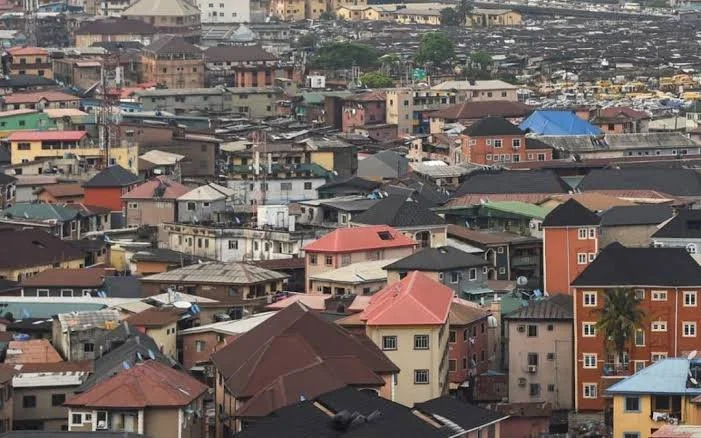
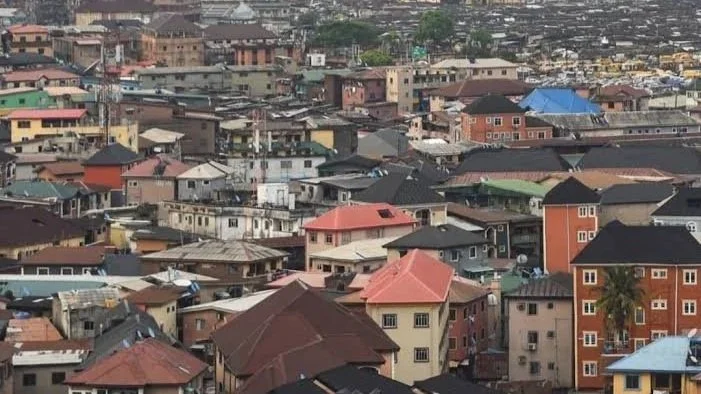
Behind the expanding investment market are households dealing with homelessness, rising rents, inadequate housing and limited access to homeownership. The contrast raises a fundamental question for Nigeria’s property sector: how much of the country’s real estate growth is actually improving housing access?
Economic Growth Has Not Translated Into Housing Security
The expansion of Nigeria’s real estate market demonstrates that property remains an important store of wealth and investment.
However, market growth and housing adequacy are not necessarily the same thing.
Investment can flow into commercial property, high-end residential developments, land and other assets without significantly expanding the supply of affordable homes available to low- and middle-income households.
That distinction is increasingly important as Nigeria’s population continues to urbanise and demand for housing rises.
The result is a property market that can simultaneously experience strong investment interest and severe housing insecurity.
The Affordability Gap Remains the Core Problem
For millions of households, the principal challenge is not simply whether housing exists but whether they can afford to access it.
High land costs, expensive building materials, financing constraints, infrastructure deficits and rising rents continue to increase the cost of delivering and occupying housing.
The pressure is particularly severe in major urban centres where employment opportunities attract new residents faster than formal housing supply can expand.
BusinessDay's report points to the persistence of homelessness and poor living conditions despite the evolution of Nigeria's property market over the past six decades.
This creates a widening affordability gap between the price at which developers can profitably deliver housing and the amount households can realistically pay.
Nigeria’s $2.6tn Property Opportunity Has a Supply-Side Problem
The estimated $2.6 trillion value of Nigeria’s real estate stock illustrates the enormous scale of wealth embedded in property.
But the size of the market should not be confused with the size of the affordable housing supply.
A large property market can reflect land values, existing buildings, commercial assets and high-value residential property without adequately addressing shortages at the lower end of the market.
For Nigeria, the investment opportunity therefore needs to be measured alongside the country's ability to convert capital into additional housing units that households can actually afford.
That requires developers and policymakers to focus not only on property appreciation but also on housing production, infrastructure and financing.
Housing Finance Remains a Major Missing Link
Limited access to long-term housing finance remains one of the biggest barriers between housing demand and effective purchasing power.
A household may need a home and have a stable income but still be unable to purchase property because of the size of the required equity contribution, mortgage rates, repayment burden and transaction costs.
This is particularly important in an economy where household incomes have come under pressure from elevated living costs.
Without deeper mortgage markets and more affordable long-term financing, much of Nigeria's housing demand will remain latent rather than becoming effective demand capable of supporting new construction.
Rising Rents Are Shifting the Burden to Tenants
Where households cannot buy, they increasingly depend on rental housing.
That creates another vulnerability because rising rents can absorb a significant share of household income, leaving less money available for food, transport, education, healthcare and savings.
Nigeria's rental market has already experienced substantial pressure from limited supply, higher construction costs and increased demand in major cities.
The consequence is a housing system where households can remain permanently trapped in rental accommodation without building sufficient savings or equity to transition into homeownership.
Real Estate Growth Needs a Stronger Social Housing Dimension
Nigeria's real estate sector cannot be judged solely by transaction volumes, capital appreciation or its contribution to GDP.
Its broader economic and social value also depends on whether investment expands the country's stock of safe, adequate and affordable housing.
That requires a stronger connection between private-sector investment and public housing objectives.
Government can support this through better land administration, infrastructure provision, planning reform, incentives for affordable housing and mechanisms that reduce development and financing costs.
Private developers, meanwhile, need viable models that make lower- and middle-income housing commercially sustainable rather than relying almost exclusively on high-end developments.
The Housing Crisis Is Also an Urban Development Problem
The housing challenge extends beyond the construction of individual buildings.
Affordable housing requires access to transport, electricity, water, sanitation, schools, healthcare, employment and other urban infrastructure.
Industry voices cited in the BusinessDay report emphasise that housing conditions remain a major concern despite the growth of the real estate industry.
This means Nigeria's housing strategy needs to move towards integrated urban development rather than treating housing delivery as a standalone construction exercise.
A new housing estate without reliable infrastructure or access to jobs can remain unaffordable in practical terms because residents face higher transport and living costs.
Investment Growth Must Translate Into More Housing Supply
Nigeria does not lack property investment opportunities. The more difficult challenge is directing enough investment towards segments where the housing need is greatest.
That requires better project economics, cheaper construction methods, wider use of local building materials, more efficient land systems and financing structures capable of supporting mass-market housing.
It also requires policymakers to recognise that the housing market has several distinct segments.
Luxury apartments, commercial developments and high-value land transactions can contribute significantly to GDP and investment without necessarily improving housing affordability for the majority.
The Real Measure of Success Is Housing Access
Nigeria's expanding real estate market is a positive economic development, but its success should ultimately be measured by more than the size of its asset base.
A stronger market should ideally produce more housing, more efficient cities, greater homeownership opportunities and better living conditions.
The current gap between property-market growth and housing access shows that economic expansion alone will not solve Nigeria's housing crisis.
The country needs to convert its substantial property investment potential into productive housing supply.
Outlook
Nigeria's real estate sector is becoming an increasingly important component of the economy, but its growth has exposed rather than eliminated the country's housing challenge.
The estimated $2.6 trillion property market and 12.7 per cent GDP contribution demonstrate the sector's economic importance. Yet persistent homelessness, affordability pressures and inadequate living conditions show that the value of real estate assets does not automatically translate into housing security.
For NHM, this is the key story: Nigeria does not simply need a bigger real estate market; it needs a real estate market that produces more accessible housing.
READ MORE