Irregular Waste Collection Threatens Lagos’ Urban Liveability and Property Environment
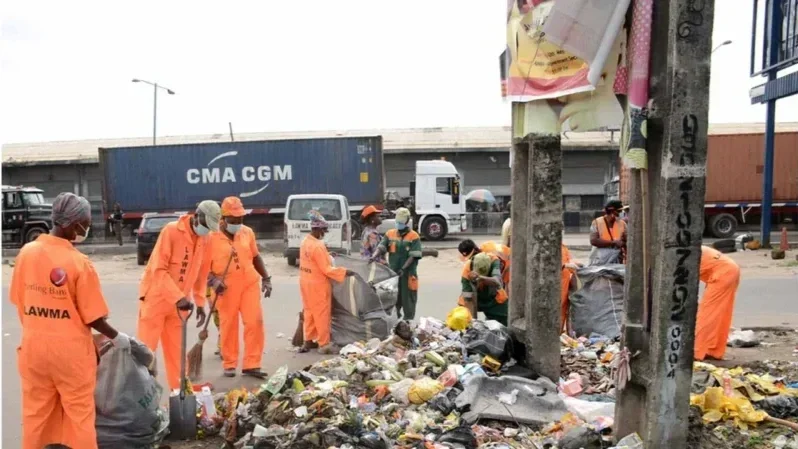
Waste collection challenges persist in Lagos
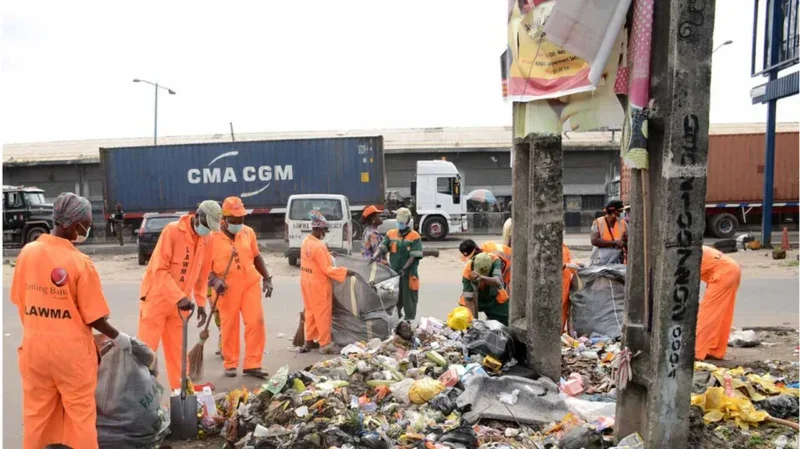
Irregular waste collection is frustrating sanitation efforts across parts of Lagos, with residents reporting refuse accumulation despite participating in environmental sanitation activities.
Residents in communities including Amukoko and Okerube, Ikotun, told the News Agency of Nigeria that inconsistent waste evacuation remains a major obstacle to maintaining clean residential surroundings. Some residents said they have resorted to informal waste collectors when regular operators fail to arrive.
/ You Might Also Like /




The complaints highlight the importance of reliable waste-management infrastructure to the quality and sustainability of Lagos' rapidly expanding residential areas.
Waste Accumulation Remains a Neighbourhood Challenge
Residents interviewed by NAN said they regularly sweep their surroundings, clear drainage channels and participate in sanitation exercises, but struggle to prevent refuse from accumulating when it cannot be evacuated.
In Okerube, one resident said informal collectors sometimes charge between ₦1,500 and ₦2,000 to remove household waste when regular collection services are unavailable. Other residents reported that refuse could remain for extended periods before being evacuated.
The situation creates a disconnect between household sanitation efforts and the availability of the wider infrastructure required to remove waste from communities.
Waste Management Is Part of Urban Infrastructure
For Lagos, waste collection is not simply an environmental issue. It is part of the infrastructure supporting residential development and urban liveability.
Housing developments depend on functional systems for waste disposal, drainage, roads, water and other basic services. Where these systems are unreliable, the quality of the surrounding built environment can deteriorate even when individual households maintain their properties.
Poor waste management can also contribute to blocked drainage channels, particularly during periods of heavy rainfall, increasing the pressure on already constrained urban drainage infrastructure.
Residents interviewed by NAN also identified inadequate drainage and the need for more drainage channels as concerns in their communities.
Implications for Lagos Property Markets
The condition of neighbourhood infrastructure can influence how residential areas develop and how properties are perceived by occupants and investors.
Reliable waste collection, accessible roads, functioning drainage and other municipal services contribute to the attractiveness and liveability of residential locations.
Conversely, persistent refuse accumulation can affect the quality of public spaces, access roads and drainage systems, creating additional challenges for communities and potentially influencing residential demand.
For developers, this reinforces the importance of considering municipal infrastructure and service capacity when assessing new housing locations.
PSP Operators Remain Central to Household Collection
Household waste collection in Lagos is largely carried out by licensed Private Sector Participation operators under the state's waste-management framework.
LAWMA has previously clarified that routine household waste collection is handled by licensed PSP operators, while the authority regulates and monitors their performance.
The current complaints therefore point to the need for continued monitoring of collection schedules, operator performance and service coverage across densely populated communities.
The challenge is particularly important in areas where rapid population growth has increased the volume of household waste generated.
Rising Operating Costs Add Pressure
Waste collection operators also face their own operating-cost pressures.
Earlier reports on Lagos' waste-management challenges have linked irregular collection to factors including higher diesel prices, vehicle maintenance costs and the distances operators travel to disposal facilities.
These costs can affect the economics of waste collection, particularly where operators face difficulties recovering fees from households.
The resulting service gaps can then place additional pressure on residents, who may turn to informal collectors or other disposal methods.
Sanitation Requires More Than Periodic Exercises
The latest complaints also highlight the limitations of relying on periodic sanitation exercises without ensuring consistent waste evacuation.
Residents can clean their compounds and clear surrounding drains, but accumulated waste still becomes a problem if there is no reliable system for transporting it away.
Lagos authorities have also stressed that environmental sanitation should be treated as a continuous responsibility rather than an activity limited to designated sanitation exercises.
The challenge therefore requires coordination between residents, local governments, waste operators and state agencies.
Waste Management and Housing Development
As Lagos continues to expand, waste management will become increasingly important to housing delivery and urban planning.
New residential developments require adequate arrangements for waste collection and disposal from the outset. This becomes particularly important in high-density communities where large populations generate significant volumes of household waste.
For existing neighbourhoods, expanding collection capacity and improving drainage can help protect housing areas from environmental deterioration.
The issue also reinforces the need for developers and policymakers to view housing as part of a wider urban system rather than simply the construction of individual buildings.
Outlook
The concerns raised by Lagos residents show that sanitation and housing quality are closely connected to the reliability of basic urban services.
For the property sector, effective waste collection is part of the infrastructure that supports liveable and sustainable neighbourhoods. Continued gaps in service can place additional pressure on drainage, roads and public spaces, while improving collection coverage can strengthen the wider residential environment.
Lagos' ability to accommodate further population growth will therefore depend not only on adding more housing units but also on ensuring that the infrastructure and municipal services supporting those communities can keep pace with development.
READ MORE