Darma Targets December Completion of Abandoned 120-Unit Gwagwalada Housing Project
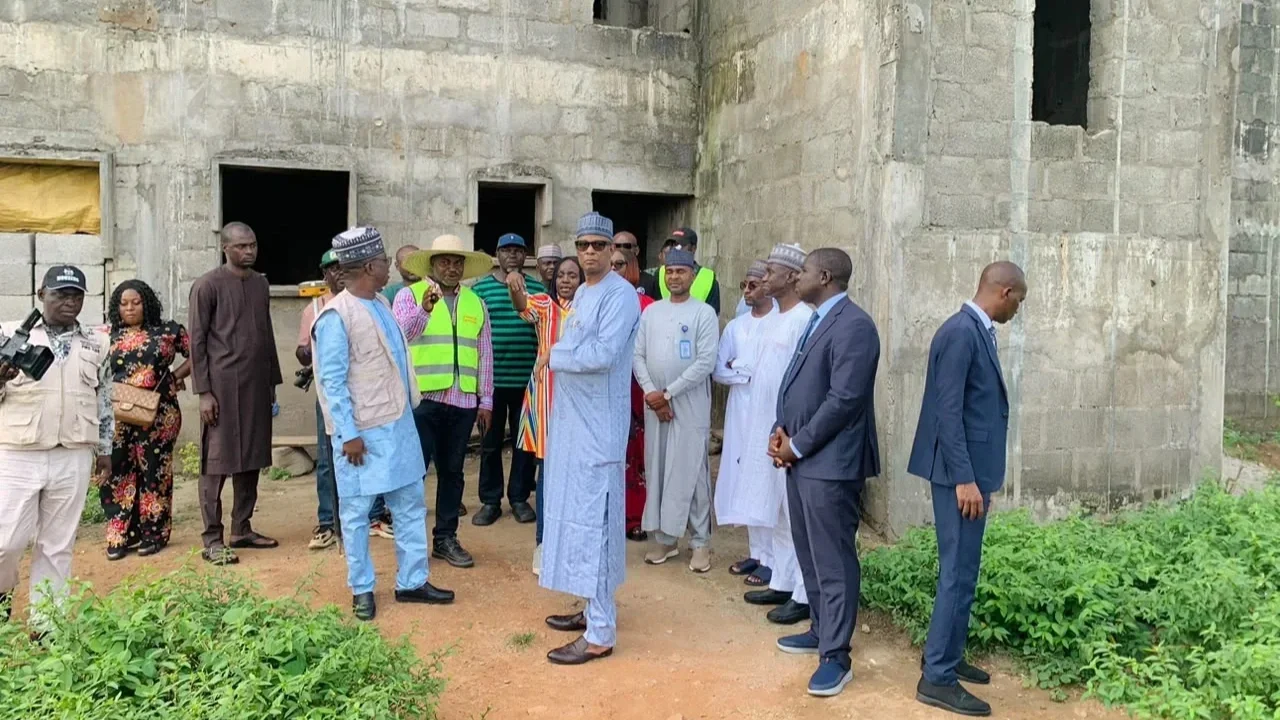
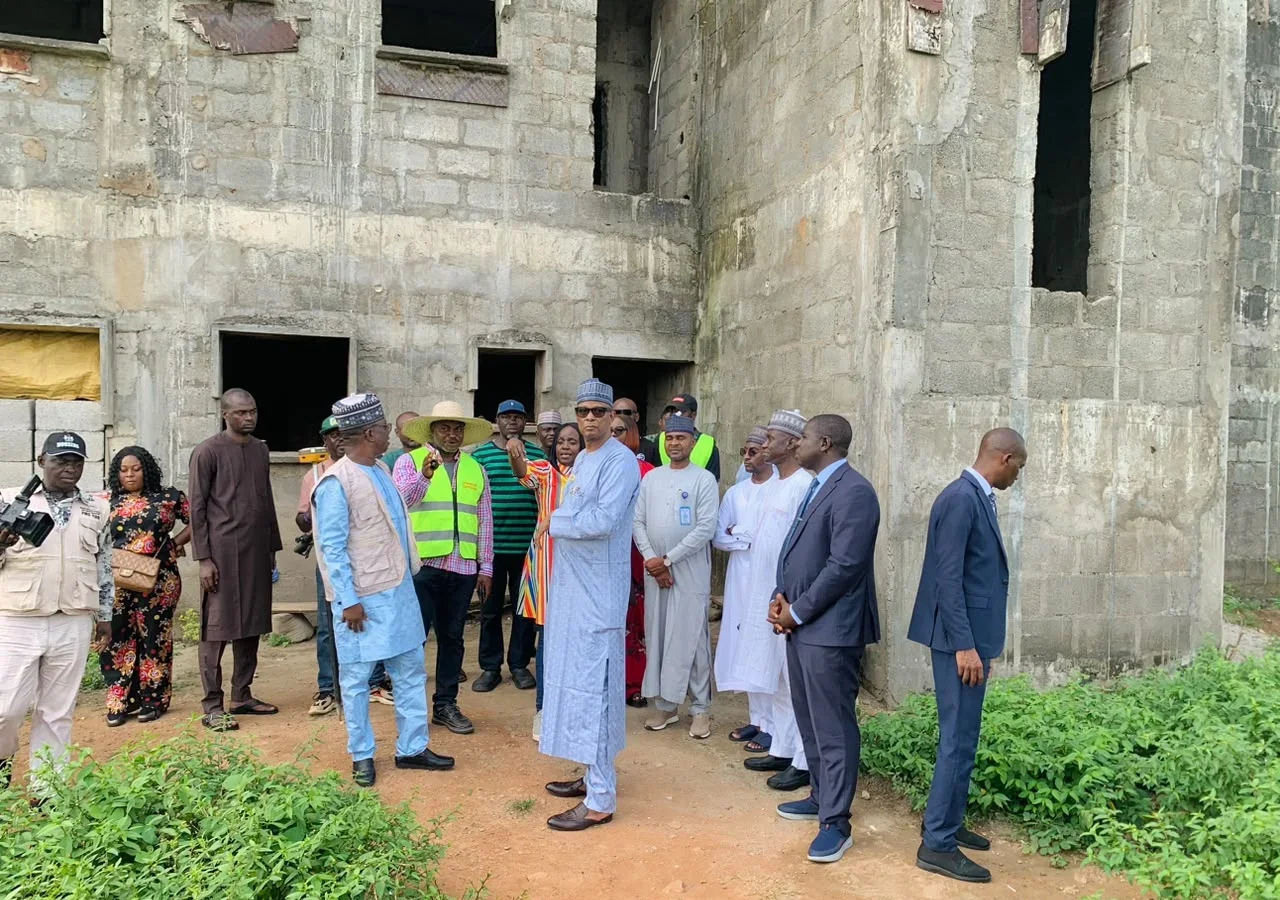
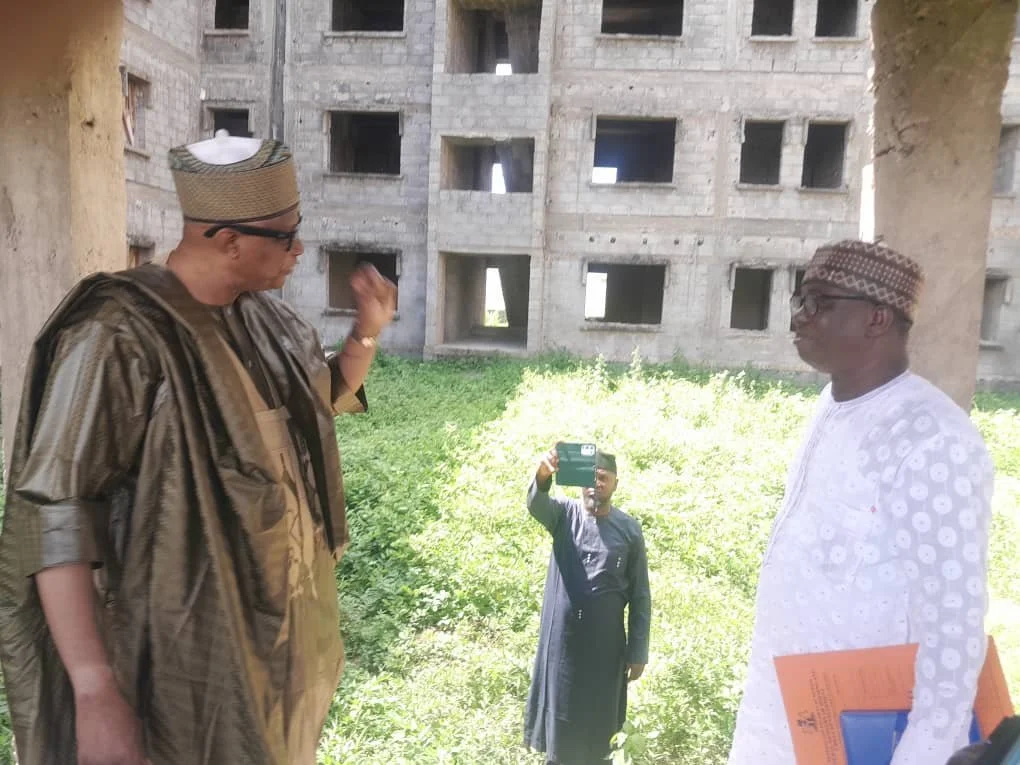
Darma inspects the Gwagwalada housing project
The Federal Government is targeting December 2026 to revive and complete an abandoned 120-unit National Housing Programme project in Gwagwalada, Abuja, as part of efforts to return stalled housing assets to productive use.
The Minister of Housing and Urban Development, Muttaqa Darma, made the commitment during an inspection of the abandoned project, saying the ministry would explore funding options to ensure the homes benefit Nigerians before the end of the year.
/ You Might Also Like /




Darma said the government could not allow a project capable of providing homes for 120 families to remain abandoned after public resources had already been committed to its development.
Government Targets 120 Additional Housing Units
The Gwagwalada project represents a relatively small development within Nigeria's wider housing requirement, but its significance lies in the government's strategy of recovering existing housing assets rather than relying solely on new construction.
Darma said the ministry would work from now until December to find a way to complete the project, while clarifying that this would not necessarily mean the ministry would directly fund the entire completion process.
The approach is consistent with the Federal Government's wider review of abandoned housing projects across the country, aimed at identifying viable developments that can be completed and brought back into use.
Abandoned Projects Become Part of Housing Supply Strategy
The Gwagwalada project is part of a broader government effort to recover housing investments that have remained stalled.
The Ministry of Housing and Urban Development has said it is reviewing abandoned Federal Government housing assets to determine their condition, completion status and the interventions required to return them to productive use.
The government has said viable projects will be upgraded, completed and allocated, while the recovery of existing developments is expected to complement the construction of new housing schemes.
This strategy could allow the government to add housing units to the market without bearing the full cost and time requirements associated with developing entirely new estates.
Financing Remains a Key Question
While the minister has set a December target, the immediate challenge will be identifying the funding and delivery structure required to complete the project.
Darma's statement that the ministry would "find ways" to complete the development indicates that funding arrangements are still part of the implementation process.
For stalled housing projects, construction completion is only one part of the equation. Outstanding contractual obligations, infrastructure, land documentation, utilities, estate management and eventual allocation can all affect how quickly abandoned developments become habitable.
Existing Assets Could Accelerate Housing Delivery
The project illustrates why abandoned housing developments have become increasingly important to the government's housing strategy.
New housing construction requires substantial expenditure on land acquisition, design, infrastructure and construction. Where a stalled project already has some of these components in place, completing it could potentially deliver homes more quickly and preserve the value of previous public investment.
The Federal Government has previously stated that recovering abandoned projects could help expand the stock of available housing while preventing public assets from deteriorating further.
Gwagwalada's Growing Development Significance
The revival of the project also has relevance to Gwagwalada's expanding role within the Federal Capital Territory's wider development pattern.
As development extends beyond Abuja's established urban districts, satellite areas such as Gwagwalada are increasingly important to the supply of housing for households priced out of more expensive locations.
Additional housing developments can support population growth in such areas, although the benefits depend heavily on transport connectivity, roads, water, electricity, drainage and other infrastructure.
For developers and investors, infrastructure availability remains critical to determining whether new housing supply can translate into sustainable communities rather than isolated residential estates.
Project Revival Could Set Wider Precedent
The Gwagwalada development could become one of several test cases for the government's wider abandoned-project recovery programme.
The Federal Ministry of Housing and Urban Development has said its nationwide assessment is intended to establish the status of abandoned housing projects and determine appropriate strategies for rehabilitation, completion and eventual allocation.
The scale of the wider programme will ultimately determine its impact on Nigeria's housing supply. A large number of revived projects could provide meaningful additions to available housing, while smaller or severely deteriorated developments may require significant investment before they become economically viable.
Outlook
The December target for the 120-unit Gwagwalada project places a specific delivery deadline on the government's broader effort to recover abandoned housing assets.
The immediate test will be whether the ministry can secure the required funding, complete outstanding construction and infrastructure works, and allocate the homes within the proposed timeframe.
For Nigeria's housing market, the broader significance is the government's attempt to treat unfinished and abandoned developments as part of the country's potential housing stock. If replicated across viable projects nationwide, the strategy could complement new construction and help convert previously stranded public investment into completed homes.
READ MORE