Insecurity, Economic Shocks Disrupt Property Valuations Across Nigeria

Property Valuations Face Growing Pressure from Insecurity and Economic Uncertainty
The Nigerian Institution of Estate Surveyors and Valuers (NIESV) has warned that rising insecurity, persistent inflation and broader economic instability are creating significant challenges for property valuation across Nigeria. According to the institution, rapidly changing market conditions are making it increasingly difficult to determine fair property values, with implications for investors, lenders, developers and policymakers
/ You Might Also Like /


The concerns were raised during a professional engagement where industry stakeholders examined the growing impact of security risks and macroeconomic pressures on the real estate market. The institution noted that valuation professionals now operate in an environment where fluctuating construction costs, currency volatility and local security conditions can quickly alter property values.
Insecurity Increasing Market Risk
According to estate surveyors, insecurity in parts of the country has weakened demand for properties in affected locations while increasing investment uncertainty.
Communities experiencing security challenges often record reduced property transactions, slower development activity and declining investor confidence. In contrast, relatively secure urban centres continue to attract stronger demand, creating widening differences in property values across regions.
The institution noted that these conditions make valuation exercises more complex because traditional market comparisons may no longer reflect prevailing realities.
Economic Pressures Complicate Valuations
Beyond insecurity, surveyors identified inflation, exchange rate volatility and rising construction costs as major factors disrupting the property market.
The continued increase in the prices of cement, steel, imported building materials and financing costs has raised replacement values for existing properties while reducing affordability for prospective buyers.
Higher borrowing costs and reduced purchasing power have also slowed transaction volumes in some market segments, making reliable market evidence more difficult to obtain during valuation assignments.
Implications for Housing and Real Estate
Accurate property valuation remains central to mortgage lending, insurance, taxation, investment analysis and public infrastructure acquisition.
When market uncertainty increases, financial institutions may adopt more conservative lending practices, while developers could delay new projects until market conditions improve. Investors may also seek locations with stronger infrastructure, economic activity and security, leading to uneven development across different regions.
For homeowners, inconsistent market conditions can affect both property values and access to housing finance.
Why It Matters
Reliable valuations are fundamental to a healthy property market because they provide confidence for lenders, investors, developers and government agencies.
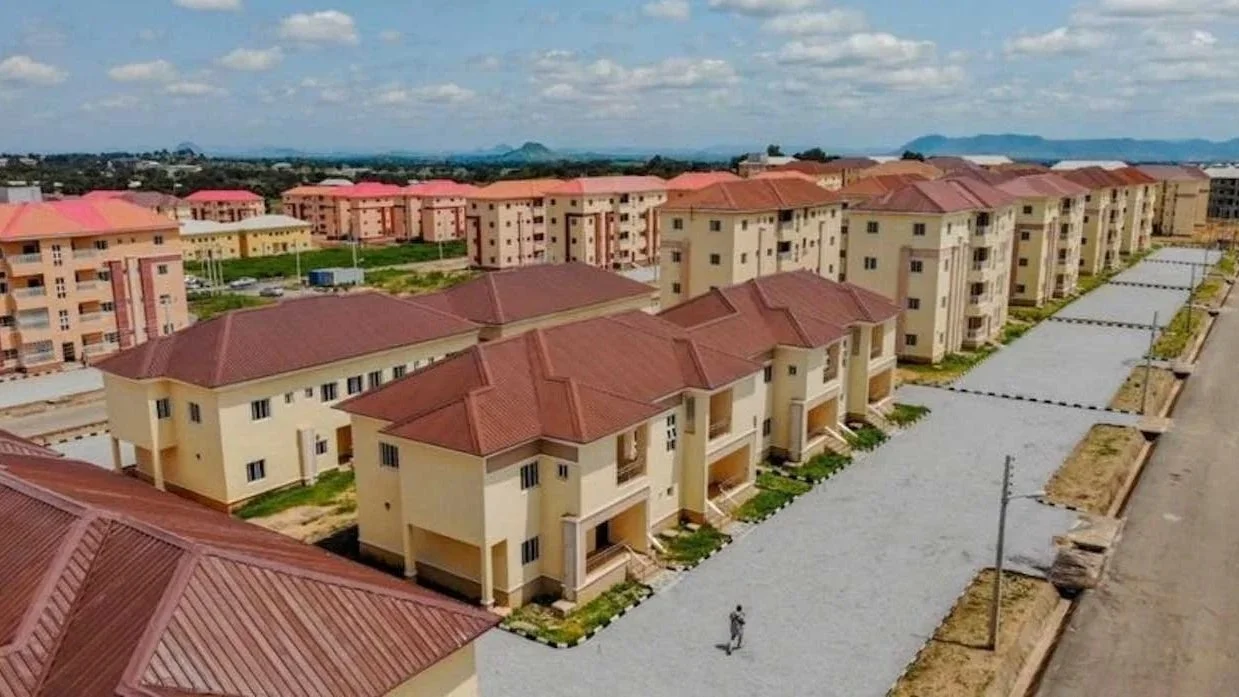
As Nigeria seeks to expand housing delivery and attract greater investment into real estate, improving security, maintaining macroeconomic stability and strengthening property market data will be critical to ensuring transparent and credible valuation practices.
Outlook
Industry stakeholders believe addressing insecurity and stabilising the broader economy will improve confidence in Nigeria's real estate market. Combined with better market information systems and stronger professional standards, these measures could support more accurate property valuations, increase investment activity and strengthen long-term housing sector growth.
READ MORE