Nigeria’s Industrial Policy Attracts $380 Million in Financing Commitments
Nigeria Industrial Strategy Records Early Financing Milestone
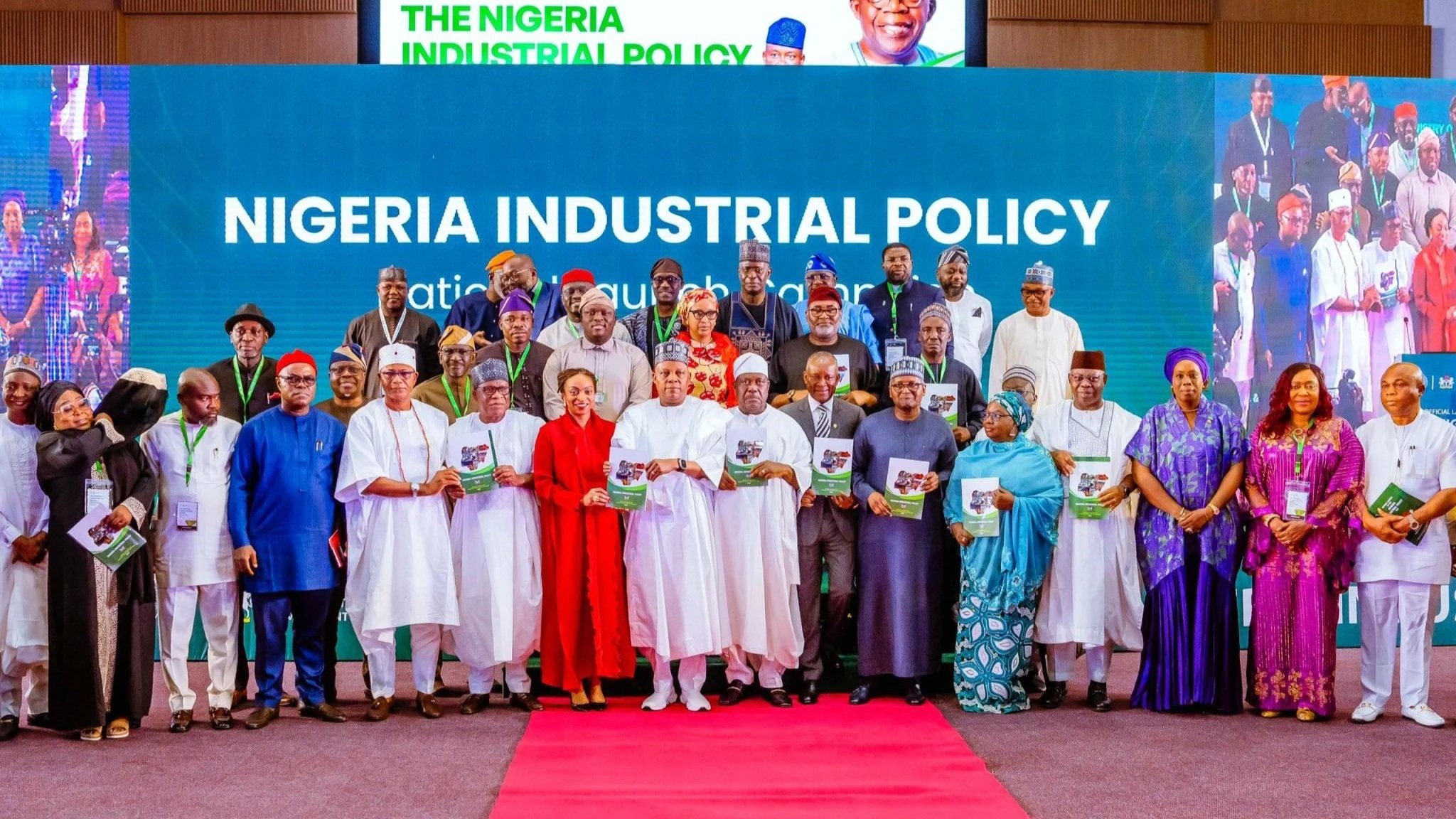
The Federal Government has announced that the Nigeria Industrial Policy (NIP) 2025 has secured more than $380 million in strategic financing commitments within its first 90 days of implementation. The government said the early progress reflects growing investor confidence in the policy and its potential to accelerate industrialisation, manufacturing growth, export expansion and job creation.
/ You Might Also Like /



According to a 90-day implementation report released by the Office of the Minister of State for Industry, the policy has moved beyond planning into active execution, with measurable interventions already underway across several priority sectors.
Government Advances Industrial Financing Initiatives
The report disclosed that, in addition to the $380 million financing commitments, the government is advancing plans for a proposed ₦350 billion Micro, Small and Medium Enterprises (MSME) Development Fund aimed at improving access to financing for businesses. It also confirmed the activation of five industrial "quick-win" programmes in partnership with the Bank of Industry (BoI).
Officials said these initiatives are designed to support business growth, stimulate investment and strengthen domestic production capacity across key sectors of the economy.
Focus on Manufacturing and Local Content Development
A major component of the industrial policy is the promotion of local manufacturing and value addition through the Federal Government’s Nigeria First Policy.
The Ministry of Industry disclosed that it has commenced engagements with key stakeholders, including the Bureau of Public Procurement (BPP), the National Automotive Design and Development Council (NADDC), the Manufacturers Association of Nigeria (MAN), automotive manufacturers and participants in the cotton, textile and garment value chain. These consultations are intended to strengthen demand for locally produced goods and improve compliance with local procurement requirements.
According to the ministry, increasing patronage of Nigerian-made products remains essential to achieving sustainable industrial growth and reducing dependence on imports.
Industrialisation Strategy Targets Economic Growth
Minister of State for Industry, Senator John Owan Enoh, described the policy as a practical implementation framework rather than a policy document intended to remain inactive.
According to him, government efforts during the first three months have focused on establishing the foundations necessary for long-term success, including financing mechanisms, industrial partnerships, value-chain development, skills acquisition, infrastructure support and accountability systems.
The government believes industrialisation can play a significant role in driving productivity, strengthening competitiveness, attracting investment and retaining greater economic value within Nigeria.
Implications for Housing and Construction
For the housing and construction sectors, increased industrial activity could create opportunities for local production of building materials and construction inputs.
Industry experts have long argued that expanding domestic manufacturing capacity can reduce reliance on imported materials, lower foreign exchange exposure and support more affordable housing delivery. Stronger industrial supply chains may also encourage investment in industrial parks, logistics infrastructure and urban development projects.
Improved access to financing for MSMEs could further support businesses operating within the construction, manufacturing and real estate value chains.
Job Creation and Export Potential
The Nigeria Industrial Policy is expected to support employment generation through the expansion of manufacturing, processing and industrial services.
By promoting local production and export-oriented industries, policymakers aim to improve Nigeria’s trade competitiveness while creating new opportunities for small businesses and entrepreneurs. The emphasis on value addition is also expected to help the country capture greater economic benefits from its natural resources and agricultural output.
Outlook
The success of the Nigeria Industrial Policy will ultimately depend on implementation, sustained investment inflows and effective coordination between government agencies and the private sector.
With over $380 million already committed within its first 90 days, the policy has recorded an encouraging start. Stakeholders will now be watching whether financing commitments translate into new factories, increased production, stronger exports and meaningful job creation across the economy.
Conclusion
The Federal Government’s announcement of more than $380 million in financing commitments highlights early momentum behind the Nigeria Industrial Policy 2025. As implementation continues, the policy is expected to play a central role in strengthening manufacturing, supporting MSMEs, encouraging local content development and advancing Nigeria’s broader industrialisation agenda.
READ MORE