IMF Urges Nigeria to Deepen Fiscal, Monetary and Governance Reforms

Nigeria Must Deepen Fiscal, Monetary Reforms for Inclusive Growth, IMF Says
The International Monetary Fund (IMF) has called on Nigeria and other major African economies to deepen fiscal, monetary, financial-sector and governance reforms to strengthen macroeconomic stability and support more inclusive economic growth.
In its latest assessment of reform priorities across the African Union’s largest economies, the IMF identified fiscal reforms as a high priority for most of the countries reviewed, including Nigeria. The Fund also highlighted the need for stronger monetary policy frameworks and governance reforms in Nigeria.
/ You Might Also Like /




IMF Identifies Fiscal Reform as Key Priority
The IMF said Nigeria needs to strengthen domestic revenue mobilisation, improve tax policy and administration, and increase the efficiency and transparency of public spending.
The Fund also identified public financial management as an area requiring further improvement. Stronger management of government resources would help ensure that available revenues are directed towards priority development needs while limiting inefficient spending.
For Nigeria, the recommendation comes as the government continues to implement wide-ranging economic reforms aimed at improving fiscal sustainability and strengthening public finances.
Monetary Policy Framework Requires Further Strengthening
The IMF also identified monetary policy frameworks and policy transmission as priorities for Nigeria.
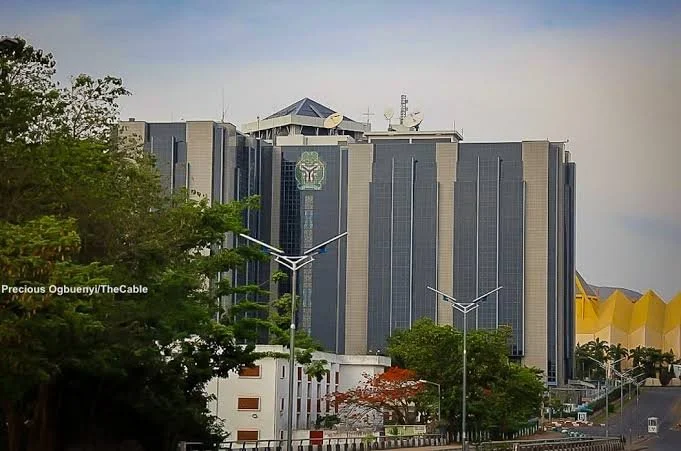
Effective monetary policy transmission determines how decisions by the Central Bank of Nigeria affect borrowing costs, credit conditions, investment and economic activity.
For businesses and investors, a stronger transmission mechanism can provide greater clarity around financing conditions and improve the ability of monetary policy to influence inflation and economic growth.
The IMF's recommendation therefore extends beyond interest-rate decisions to the broader effectiveness of the financial system.
Governance Reforms Remain Important
The Fund also called for stronger governance in Nigeria, with emphasis on fiscal transparency, public financial management and anti-corruption practices.
Greater transparency in public finances can improve accountability and provide investors with more confidence in government policies and institutions.
Stronger governance can also improve the efficiency with which public resources are converted into infrastructure and other development projects.
Reforms Have Implications for Infrastructure Investment
The IMF's recommendations have significant implications for Nigeria's infrastructure development.
Improved revenue mobilisation and more efficient public spending could expand the government's capacity to finance infrastructure, including roads, electricity, water supply and housing-related infrastructure.
Infrastructure remains critical to Nigeria's real estate and construction sectors. Developers depend on transport networks, electricity, drainage, water and other public infrastructure to make new residential and commercial developments viable.
Greater efficiency in public expenditure could therefore have indirect benefits for the property market if additional resources reach productive infrastructure projects.
Fiscal Stability Could Influence Investment Conditions
A more stable fiscal environment can also influence investment decisions.
High government borrowing requirements can compete with private-sector borrowers for available domestic capital and contribute to higher financing costs. Improving government revenues and spending efficiency could reduce pressure on public finances over time.
For property developers, lower and more predictable financing costs would improve the feasibility of projects that require significant upfront capital.
The relationship is particularly important for housing development, where high construction costs and limited access to affordable long-term finance already constrain supply.
Inclusive Growth Remains a Key Objective
The IMF's call extends beyond macroeconomic stability to the need for more inclusive growth.
Economic reforms can improve headline economic indicators without immediately translating into better living conditions for households. The IMF has therefore emphasised policies that strengthen economic stability while supporting broader participation in growth.
For Nigeria's housing market, inclusive growth remains particularly relevant because household income determines the ability of residents to afford rent, purchase homes or access mortgages.
A stronger economy without corresponding improvements in household purchasing power would continue to leave significant sections of the population outside the formal housing market.
Public Financial Management Could Support Housing Delivery
Improved public financial management could also strengthen the implementation of government housing programmes.
Better budget planning, transparent procurement and more effective monitoring of public projects can reduce delays and improve the value derived from government spending.
This is important for housing programmes because land, infrastructure and construction expenditure often require significant public investment before homes can reach prospective occupants.
More efficient public finances could therefore help government agencies deliver housing and supporting infrastructure more effectively.
Nigeria's Reform Programme Faces Implementation Test
The IMF's latest recommendations come as Nigeria continues to implement reforms across its fiscal, monetary and financial sectors.
The Fund's assessment indicates that the reform process needs to go beyond policy changes and focus on institutional capacity, implementation and accountability.
For investors, the consistency with which reforms are implemented can be as important as the reforms themselves.
Stable rules, transparent institutions and predictable economic policies can reduce uncertainty and improve the environment for long-term investment.
Outlook
The IMF's call for Nigeria to deepen fiscal, monetary and governance reforms highlights the need to consolidate the country's ongoing economic reform programme.
The Fund is seeking stronger revenue mobilisation, more efficient public spending, improved monetary policy transmission, greater fiscal transparency and stronger governance.
For Nigeria's housing and real estate sectors, progress in these areas could influence the cost of finance, infrastructure delivery, investor confidence and household purchasing power.
The key challenge will be translating macroeconomic reforms into stronger institutions, more efficient public investment and improved economic conditions for businesses and households
READ MORE