Experts Urge CBN to Use Stronger Reserves to Stabilise Naira
Stronger External Reserves Could Help Stabilise Naira, Experts Tell CBN
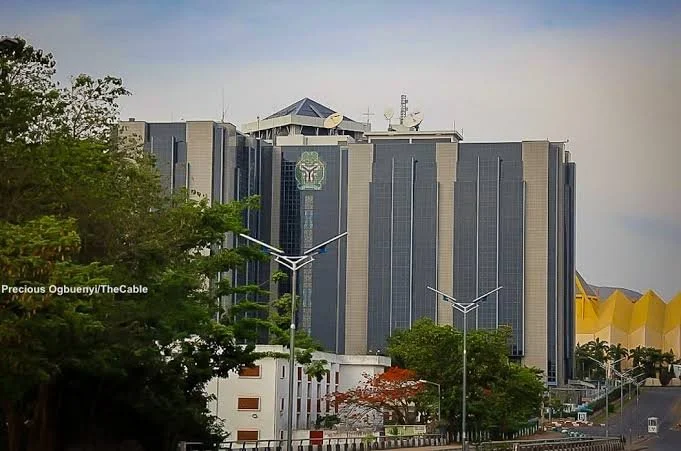
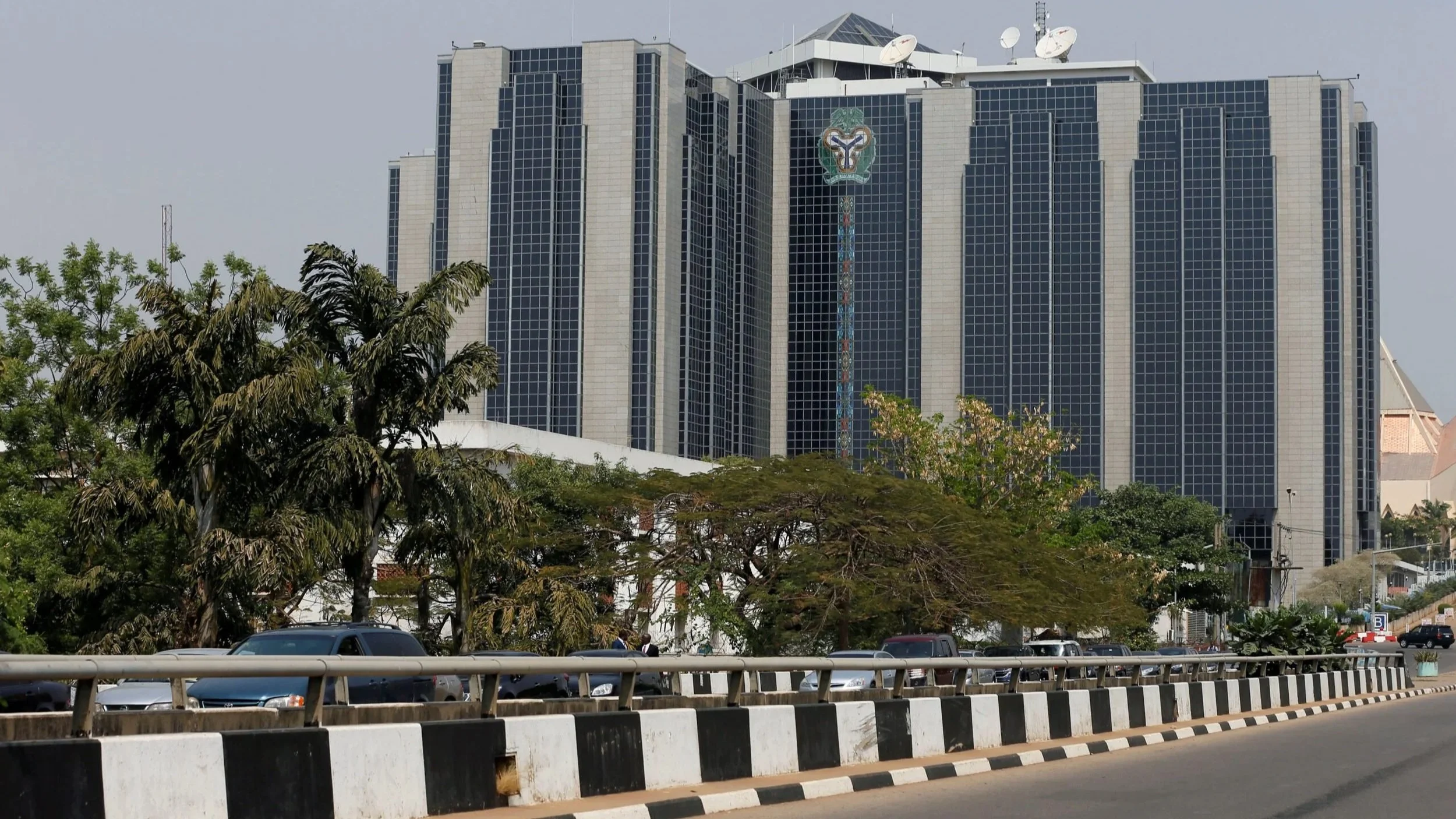
Economist and BudgIT co-founder Oluseun Onigbinde has urged the Central Bank of Nigeria (CBN) to leverage the country’s stronger external reserves to support the naira and ease pressure on households, as calls grow for the Federal Government to reconsider the impact of fuel subsidy removal.
Onigbinde argued that Nigeria’s improved reserve position gives the CBN greater capacity to intervene in the foreign exchange market and support exchange-rate stability.
/ You Might Also Like /




Experts Call for Greater Use of External Reserves
The recommendation comes as Nigeria’s external reserves have strengthened, providing the country with a larger buffer against external shocks and foreign-exchange pressures.
Onigbinde said the stronger reserve position should give the CBN room to pursue measures that can reduce pressure on the naira and, in turn, help ease the cost burden faced by households.
The call places renewed attention on how the country manages its foreign-exchange reserves and the extent to which the reserves can support macroeconomic stability.
Naira Stability Remains Important for Households
Exchange-rate movements have direct implications for household purchasing power because Nigeria relies heavily on imported inputs and finished goods.
A weaker naira can increase the domestic cost of imported goods, while businesses that depend on foreign currency for machinery, raw materials and other inputs can also face higher operating costs.
For households, persistent exchange-rate pressure can feed into the cost of living. For businesses, it can raise production and investment costs.
Stronger Reserves Provide a Larger Policy Buffer
A stronger reserve position can improve a country's ability to manage temporary foreign-exchange pressures and external shocks.
However, reserve intervention must operate alongside broader monetary, fiscal and structural policies. Using reserves to support the currency without addressing underlying sources of foreign-exchange demand could limit the sustainability of such interventions.
The debate therefore extends beyond the size of Nigeria’s reserves to how effectively the reserves are managed within the country’s broader economic policy framework.
Exchange Rate Has Implications for Real Estate
Naira stability also has important implications for Nigeria’s property and construction sectors.
Construction relies on a wide range of materials, equipment and components whose prices can be affected by exchange-rate movements. When the naira weakens, imported construction inputs can become more expensive, increasing development costs.
Higher development costs can eventually feed into property prices, rents and the cost of new housing.
Greater exchange-rate stability could therefore provide developers with more predictable cost conditions when planning projects and sourcing materials.
Currency Stability Could Improve Investment Planning
Property development requires long-term capital commitments, making exchange-rate predictability particularly important for investors.
Developers that rely on imported equipment or foreign-denominated financing face additional currency risks when the naira becomes volatile.
A more stable exchange rate could improve financial planning and reduce uncertainty around project costs.
For international investors, greater macroeconomic stability could also strengthen confidence in Nigeria’s investment environment.
Fuel Subsidy Debate Adds to Economic Pressure
The call for stronger reserve intervention comes amid wider debate over the effects of fuel subsidy removal on households.
According to The Sun, Onigbinde's recommendation formed part of calls for the Federal Government to reconsider the policy and its impact on citizens.
Fuel prices have broad effects across the economy because transportation costs influence the movement of people, building materials and other goods.
For the housing market, higher logistics and transportation costs can increase the cost of construction and raise the cost of living for households already facing significant housing expenses.
Policy Coordination Remains Critical
While foreign-exchange intervention can help manage short-term pressure, sustainable naira stability requires coordination between monetary and fiscal policies.
The CBN's management of reserves, liquidity and foreign-exchange conditions must therefore operate alongside government measures aimed at improving fiscal sustainability, increasing domestic production and strengthening non-oil foreign exchange earnings.
A stronger productive base would reduce the economy's vulnerability to external shocks and potentially improve the long-term stability of the naira.
Outlook
The call for the CBN to make greater use of Nigeria’s stronger external reserves highlights the importance of exchange-rate stability to households, businesses and investors.
For the property sector, a more predictable currency environment could help developers manage construction costs, improve investment planning and reduce some of the uncertainty surrounding new housing projects.
However, sustained naira stability will depend on more than reserve intervention. Stronger foreign-exchange supply, fiscal discipline, domestic production and effective monetary policy will remain important to maintaining confidence in the currency.
READ MORE