Nigerian Senate Approves ₦2.285 Trillion FCT Appropriation Bill for 2026
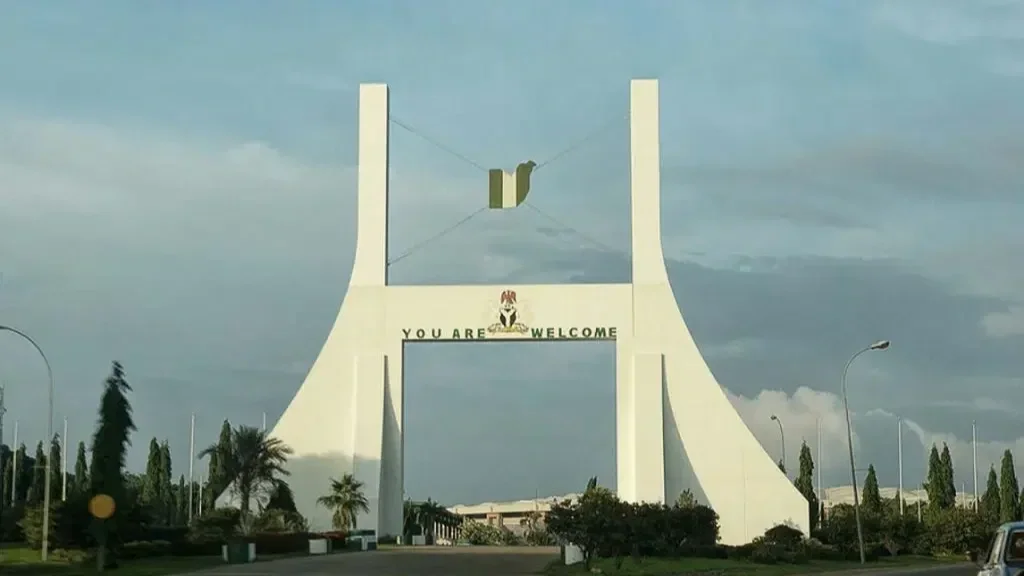
Abuja Infrastructure Gets Major Boost as Senate Passes FCT Budget
The Nigerian Senate has passed the 2026 Statutory Appropriation Bill for the Federal Capital Territory (FCT), approving total expenditure of ₦2.285 trillion for infrastructure development and administrative operations in Abuja and surrounding satellite towns. The budget allocates more than 76% of total spending to capital projects, reflecting a strong emphasis on urban infrastructure expansion and public service delivery.
/ You Might Also Like /



Capital Projects Dominate Budget Allocation
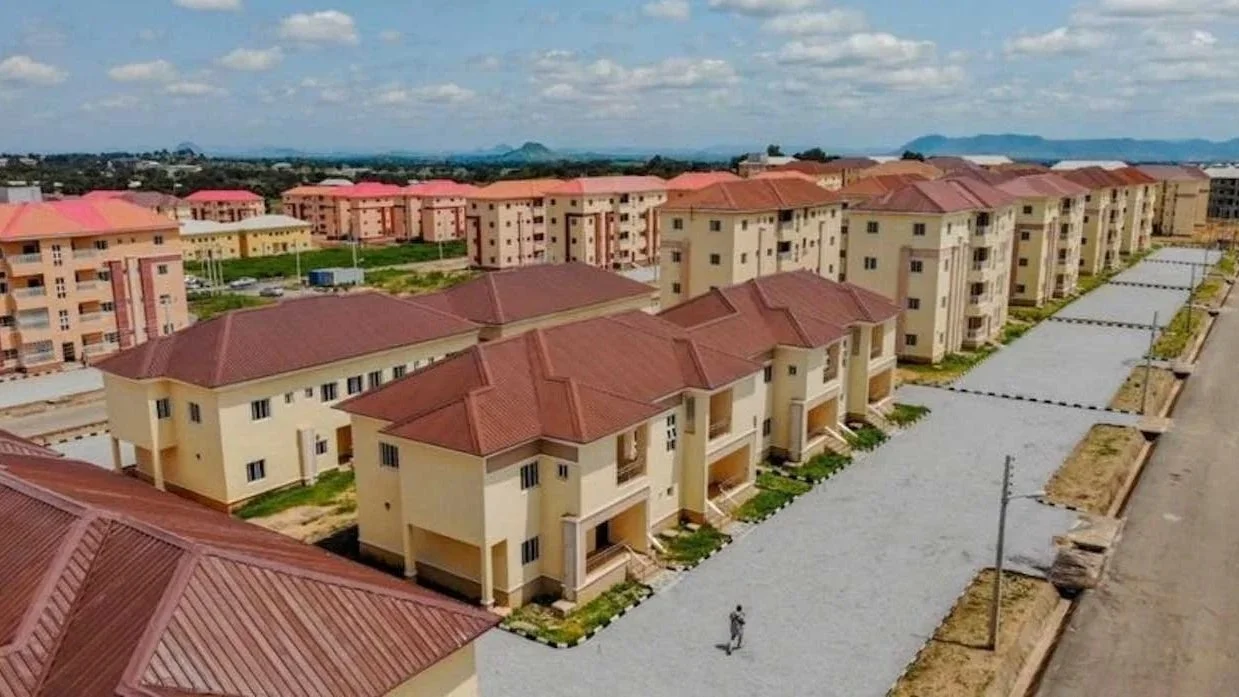
The approved budget structure earmarks ₦1.741 trillion for capital expenditure, while ₦165.7 billion is allocated for personnel costs and ₦378.2 billion for overhead expenditure. According to the Senate Committee on the FCT, the allocation demonstrates a strategic focus on infrastructure development and long-term urban renewal within the capital territory.
Presenting the harmonised report of the Senate and House of Representatives Committees on the FCT, Senator Austin Akobundu stated that the appropriation aligns with constitutional provisions and follows extensive consultations with officials of the Federal Capital Territory Administration (FCTA).
Lawmakers noted that the budget was designed to support road construction, transportation networks, public utilities, healthcare facilities, educational infrastructure, and other critical urban development projects across Abuja and its satellite communities.
Senate Praises Budget Structure
During plenary deliberations, several senators described the budget as “well-balanced” and strongly capital-oriented. Deputy Senate President Barau Jibrin commended the emphasis on infrastructure investment, noting that the allocation could accelerate development within the Federal Capital Territory.
Senate President Godswill Akpabio also praised FCT Minister Nyesom Wike and President Bola Tinubu for prioritising urban infrastructure and public service delivery in Abuja.
According to lawmakers, the capital-intensive spending framework reflects the government’s intention to modernise Abuja’s infrastructure while responding to rapid population growth and increasing pressure on public services.
Focus on Urban Development and Oversight
The FCT budget also includes provisions for enhanced legislative oversight. Under the appropriation framework, the FCTA will be required to submit monthly and quarterly implementation reports to the National Assembly to improve transparency and ensure value for money in project execution.
Analysts note that stronger reporting mechanisms could improve budget monitoring and project accountability, particularly as public scrutiny over infrastructure delivery and public finance management continues to increase.
The approved spending plan is expected to support ongoing urban renewal initiatives, including road expansion projects, public transportation upgrades, and the rehabilitation of key public infrastructure within Abuja.
Economic and Infrastructure Implications
The passage of the FCT budget comes at a time when the Federal Government is seeking to accelerate infrastructure investment as part of broader economic development objectives. Abuja remains one of Nigeria’s fastest-growing urban centres, with increasing demand for housing, transportation, healthcare, and public utilities.
Urban planning experts have repeatedly highlighted the need for sustained investment in the capital city’s infrastructure to accommodate rapid urban expansion and improve service delivery.
The heavy allocation to capital expenditure may also provide opportunities for construction firms, infrastructure contractors, and service providers involved in public projects within the territory.
Outlook
The Senate’s approval of the ₦2.285 trillion FCT budget signals continued government focus on infrastructure-led urban development within the nation’s capital. With more than three-quarters of the budget directed toward capital projects, implementation efficiency and project delivery will remain key indicators of success in the coming fiscal year.
For policymakers and investors, the budget reflects the growing importance of Abuja’s infrastructure expansion in Nigeria’s broader economic and urban development strategy. Sustained oversight and transparent execution will likely determine the long-term impact of the spending programme on public service delivery and urban growth within the FCT.
READ MORE