Over 1,200 Houses Destroyed by Windstorm in Niger State
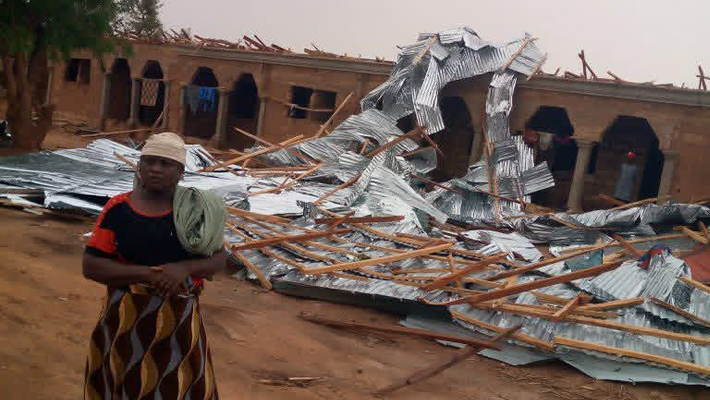
More Than 1,200 Homes Damaged in Niger Windstorm Disaster
A severe windstorm has destroyed more than 1,200 houses across several communities in Niger State, leaving hundreds of residents displaced and properties severely damaged. The disaster affected multiple local government areas, prompting emergency response efforts by the Niger State Emergency Management Agency (NSEMA) and other authorities
/ You Might Also Like /


Communities Across Six LGAs Affected
According to preliminary assessments released by NSEMA, the windstorm impacted communities in Mokwa, Bida, Lavun, Katcha, Gbako, and Mariga Local Government Areas. Officials stated that Mokwa recorded the highest level of destruction, with more than 1,000 homes either destroyed or severely damaged.
Affected communities in Mokwa include Sawmill, Kpege Wayata, Kpege, Station Girigi, Efu Shaba Lile, Tifin Madza, Yafu, Etisheshi, Hakimi Aliyu, and Nasfat areas. In Bida, the storm damaged properties in Cheniyan, Nasarafu, Bariki, Kyari, Dokoza, Masaga A, and Masaga B communities.
Reports also indicated that student lodges belonging to tertiary institutions, including polytechnics and colleges of agriculture, were affected by the storm. Electricity poles, billboards, and business premises were similarly damaged during the incident.
Emergency Assessment Underway
NSEMA Director-General Abdullahi Baba Arah confirmed that emergency assessment teams have commenced rapid evaluations across affected communities to determine the scale of destruction and identify urgent humanitarian needs.
The agency stated that it is collaborating with local government authorities and other stakeholders to support displaced residents and coordinate relief interventions. Further updates are expected as assessments continue across impacted areas.
Residents affected by the storm appealed for urgent government assistance, noting that many families have been left without shelter following the destruction of homes and business properties.
Climate and Infrastructure Concerns
The latest windstorm has renewed concerns about climate-related disasters and infrastructure vulnerability in Niger State. Residents and local observers attributed part of the destruction to environmental degradation, including deforestation and weak urban resilience systems.
Mokwa and surrounding communities continue to face recurring environmental challenges. The area was previously affected by severe flooding incidents that caused extensive damage to homes and public infrastructure. The repeated occurrence of weather-related disasters has intensified pressure on housing and emergency management systems within the state.
Urban planning experts have consistently warned that inadequate drainage infrastructure, weak building resilience, and rapid environmental degradation increase the vulnerability of communities to extreme weather events.
Government Response
Niger State Governor Mohammed Umaru Bago expressed sympathy to affected residents and described the incident as a major setback for victims already facing economic pressures. He directed the Ministry of Humanitarian Affairs, NSEMA, and other agencies to provide immediate support and relief materials to affected communities.
The government also pledged continued collaboration with emergency agencies to ensure proper rehabilitation and humanitarian assistance for displaced households.
Outlook
The widespread destruction caused by the windstorm highlights the growing impact of extreme weather events on housing infrastructure and community resilience in Nigeria. As climate-related incidents become more frequent, experts say stronger building standards, improved disaster preparedness, and environmental protection measures will become increasingly critical.
For policymakers and emergency management agencies, the disaster reinforces the need for long-term investment in resilient infrastructure, urban planning reforms, and climate adaptation strategies capable of protecting vulnerable communities from recurring environmental shocks.
READ MORE