Lagos to Begin Charging Motorists for On-Street Parking Before End of 2026
Motorists to Pay for Street Parking Under New Lagos Traffic Management Plan
The Lagos State Government will begin charging motorists for parking on designated streets before the end of 2026 as part of a broader strategy to address traffic congestion and improve urban mobility management. The initiative, which will be implemented through the Lagos State Parking Authority (LASPA), is expected to commence with pilot schemes in selected local government areas, including Ikeja.
/ You Might Also Like /




Lagos Targets Traffic Congestion Through Parking Reform
According to LASPA General Manager Adebisi Adelabu, the proposed On-Street Parking Scheme aims to regulate indiscriminate roadside parking, improve traffic flow, and create employment opportunities within participating communities. The announcement was made during a stakeholder engagement meeting with officials of Ikeja Local Government Area.
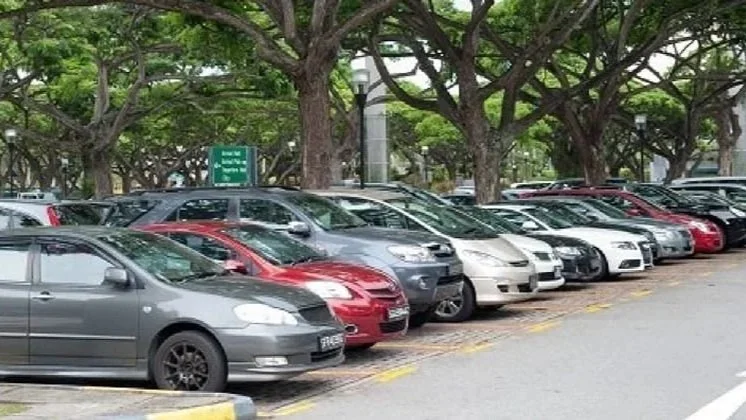
Authorities said chaotic roadside parking has become a major contributor to traffic congestion across Lagos, particularly in commercial districts such as Ikeja, Lagos Island, Surulere, and Apapa. Vehicles parked along major roads frequently reduce carriageway capacity, worsening delays for commuters and businesses.
Pilot Scheme to Begin in Selected LGAs
LASPA confirmed that the policy will initially operate as a pilot programme in selected local government areas before broader statewide implementation. Ikeja is among the first locations identified for the rollout due to its high commercial activity and persistent traffic challenges.
Officials also stated that all 57 Local Government Areas and Local Council Development Areas in Lagos have formally transferred parking management responsibilities to LASPA, providing the agency with the legal authority to regulate roadside parking activities statewide.
The initiative is backed by the Lagos State Parking Authority Law 2018, which empowers the agency to designate parking zones, regulate parking operations, and establish applicable charges.
Digital Payment and Enforcement Measures
Reports indicate that motorists will likely pay parking fees through digital channels, including mobile applications, QR codes, ticketing systems, and electronic wallets. Enforcement measures are also expected to accompany the rollout, with penalties for motorists who violate parking regulations or refuse to comply with designated parking rules.
Government officials argued that the initiative is not solely revenue-driven but designed to create a more structured parking system capable of improving traffic circulation and reducing illegal roadside parking activities.
Urban Mobility and Economic Implications
Lagos remains one of Africa’s most congested urban centres, with millions of vehicles competing for limited road infrastructure daily. Urban planning experts have long identified unregulated roadside parking as a significant factor contributing to traffic inefficiencies and economic losses.
According to reports, traffic congestion costs Lagos billions of naira annually through lost productivity, fuel wastage, and delayed commercial activity. Authorities believe regulated parking systems could improve traffic management and optimise the use of urban road space.
However, some residents and transport users have raised concerns that the new charges could increase financial pressure on motorists already facing rising transportation and fuel costs.
Stakeholder Engagement and Public Sensitisation
The Chairman of Ikeja Local Government Area, Akeem Dauda, expressed support for the initiative while calling for extensive public awareness campaigns ahead of implementation. Stakeholders emphasised that effective communication and enforcement will be critical to ensuring compliance and minimising public resistance.
LASPA also stated that it remains open to stakeholder recommendations and consultations to ensure the smooth rollout of the programme across participating areas.
Outlook
The planned introduction of paid on-street parking represents a significant shift in Lagos’s urban transport management strategy. As population growth and vehicle ownership continue to increase, authorities are under mounting pressure to improve traffic efficiency and optimise limited road infrastructure.
For policymakers and urban planners, the initiative highlights the growing role of structured parking systems in modern city management. The success of the programme will likely depend on transparent implementation, public acceptance, and the government’s ability to balance traffic management objectives with affordability concerns for residents and businesses.
READ MORE