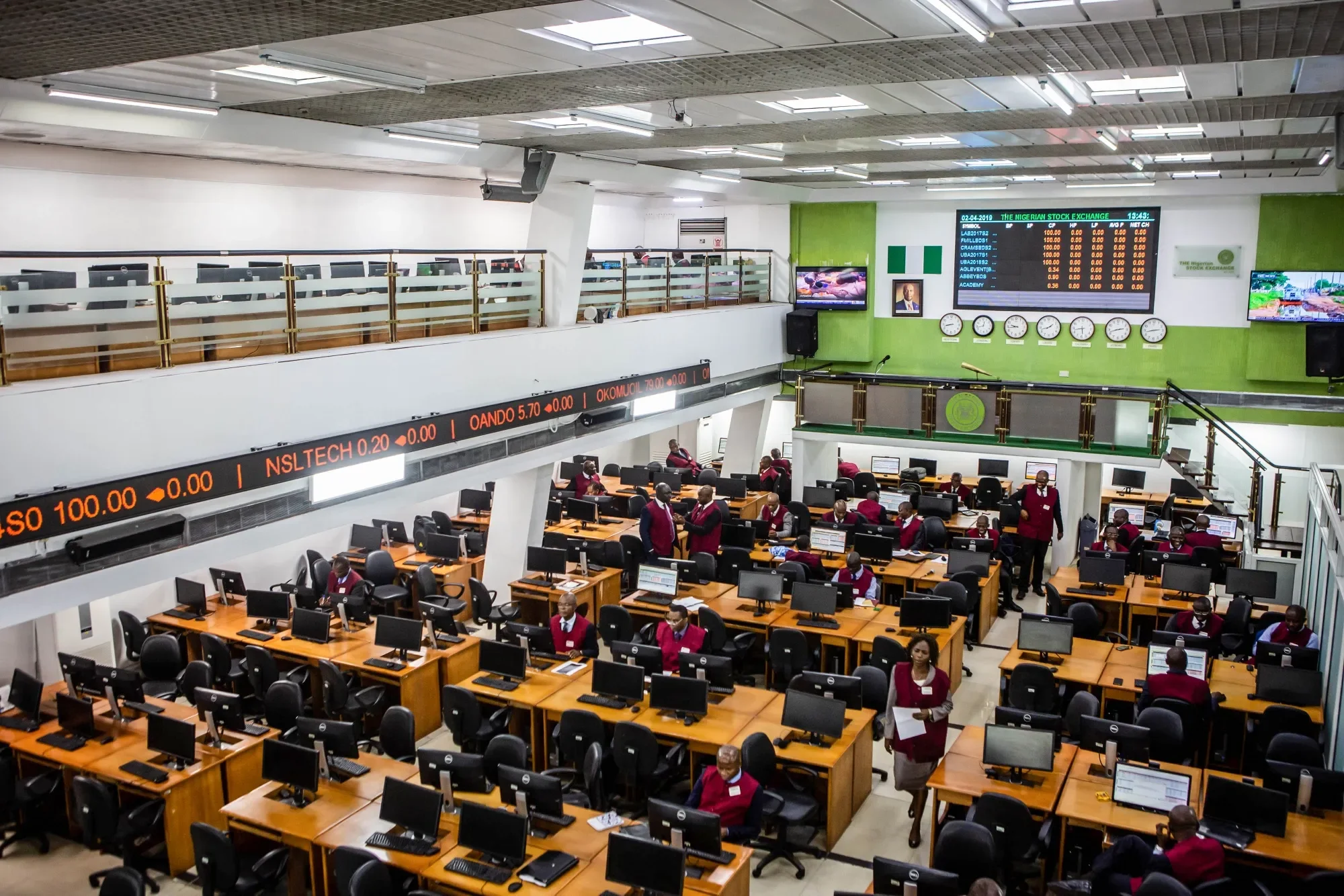
Dangote IPO Sparks Digital Race for 10 Million Investors

Dangote Refinery IPO sparks retail investment rush
The Dangote Petroleum Refinery and Petrochemicals initial public offering (IPO) has triggered an unprecedented race among Nigerian stockbrokers, banks and fintech companies to attract retail investors as the company seeks to bring as many as 10 million investors into the capital market.
/ You Might Also Like /




The ₦2.15 trillion public offer, which opened on September 14, is being supported by a large network of digital investment channels, making it one of the most significant tests of Nigeria’s ability to onboard retail investors at scale.
Digital Platforms Compete for Retail Investors
The size of the Dangote Refinery offer has prompted banks, traditional stockbrokers and fintech investment platforms to compete for investors seeking to subscribe to the shares.
The digital focus is significant because the offer is designed to reach a much wider pool of Nigerians than traditional capital-market transactions typically attract.
The IPO offers 4.1 billion shares at ₦525 each, with the transaction potentially raising about ₦2.15 trillion. The offer is scheduled to close on October 13, 2026, with the shares expected to subsequently list on the Nigerian Exchange.
The scale of the offering has created substantial demand for platforms capable of processing large numbers of applications simultaneously.
Investor Interest Puts Digital Infrastructure Under Pressure
The immediate response has demonstrated both the strength of retail interest and the capacity challenges facing Nigeria’s digital investment infrastructure.
Nairametrics separately reported that investment platform Bamboo experienced login problems after a surge of users attempted to access the platform to participate in the Dangote Refinery offer.
The incident highlights the pressure that a large retail-driven capital-market transaction can place on digital platforms that may not ordinarily experience such volumes of simultaneous activity.
For financial technology companies, the IPO therefore represents more than an opportunity to generate transaction activity. It is also a test of their ability to scale onboarding, account verification, payment processing and order submission while maintaining reliability.
IPO Targets a New Generation of Investors
The Dangote Refinery offer is expected to broaden participation in the Nigerian capital market by lowering the barrier to entry for individual investors.
The offer has a minimum subscription of 10 shares, allowing investors to participate with a relatively small initial commitment compared with many institutional investment opportunities.
The strategy could help introduce first-time investors to equities and encourage greater participation in the Nigerian Exchange.
For the capital market, a successful retail mobilisation could have longer-term implications beyond the Dangote IPO if new investors remain active in the market and subsequently participate in other public offers and listed securities.
Dangote Refinery Seeks Funds for Expansion
The public offer is also part of the refinery’s broader expansion strategy.
The company plans to increase its refining capacity from around 700,000 barrels per day to 1.4 million barrels per day by 2029. Funds raised through the IPO will support the expansion and related infrastructure.
The refinery, which began operations in 2024, has become a major player in Nigeria’s petroleum market and has also started exporting refined products.
The proposed expansion could increase its role in regional fuel supply while strengthening the company’s position in the African energy market.
A Major Test for Nigeria’s Capital Market
The Dangote IPO comes at a time when regulators and market operators are seeking to increase participation in Nigeria’s capital market.
The ability to bring millions of new investors into equities through digital channels could represent a significant shift in how Nigerians access investment products.
It could also strengthen the connection between financial technology and the formal investment market, particularly among younger Nigerians who are more accustomed to using mobile applications for financial transactions.
However, the scale of participation also makes investor education important. Increased access to the market needs to be accompanied by adequate information about valuation, investment risk, share pricing and the long-term performance of equities.
Potential Implications for Property Investment
The IPO could also have an indirect impact on the wider investment landscape, including real estate.
Nigerian households and individual investors typically have several competing options for deploying savings, including property, equities, fixed-income instruments and other financial assets.
A high-profile IPO that attracts millions of retail investors could increase awareness of financial-market investments and encourage some investors to diversify beyond physical assets.
For the property market, this could contribute to a broader shift in how higher-income households and investment-minded individuals balance property holdings with financial securities.
However, the two asset classes serve different purposes, and the effect on real estate demand will ultimately depend on how investors respond after the IPO.
Outlook
The Dangote Refinery IPO is emerging as both a major corporate fundraising exercise and a test of Nigeria’s retail investment infrastructure.
The target of reaching up to 10 million investors has pushed banks, stockbrokers and fintech platforms into an unprecedented digital competition for retail participation.
If the offer succeeds in bringing a large number of first-time investors into the capital market, it could leave a lasting impact on retail investment culture in Nigeria.
For the financial sector, the immediate challenge will be ensuring that the digital infrastructure supporting the offer can handle demand while providing investors with reliable access and adequate information.
READ MORE