India Seeks More Nigerian Crude as Nigeria, India Deepen Trade Ties
Shettima and Modi seek stronger Nigeria India trade ties
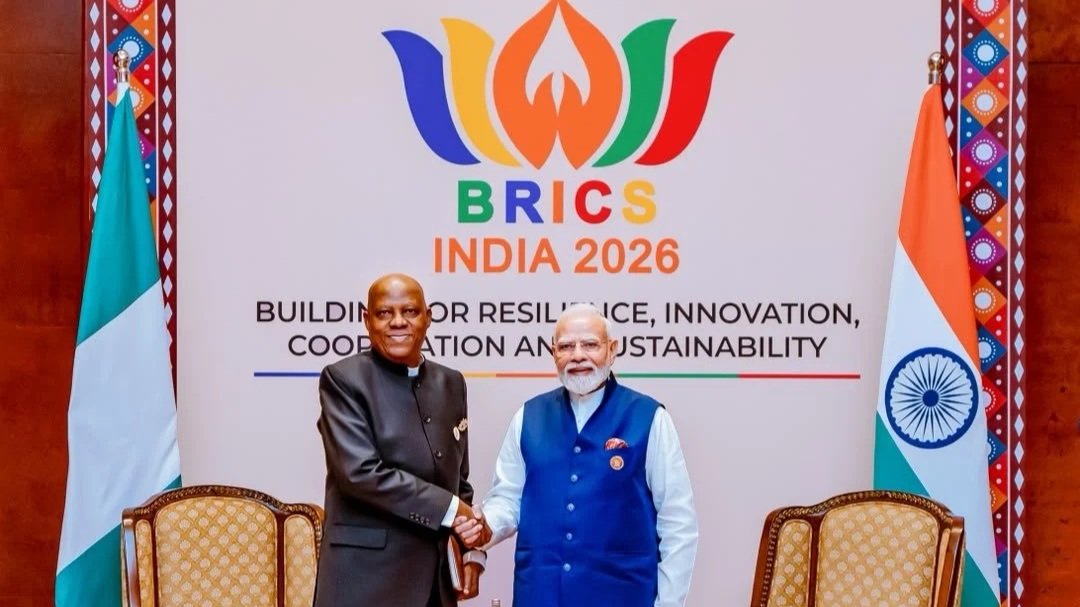
India is seeking to increase its purchases of Nigerian crude oil as Nigeria and India move to strengthen bilateral trade and investment relations following high-level discussions between Vice President Kashim Shettima and Indian Prime Minister Narendra Modi on the sidelines of the BRICS Summit in New Delhi.
The discussions covered oil and gas, renewable energy, power, defence, technology, healthcare and capacity development, with both countries seeking to expand economic cooperation.
/ You Might Also Like /




India Seeks Increased Nigerian Crude Supplies
During the meeting, Modi called for increased crude oil purchases from Nigeria as part of efforts to expand trade between the two countries.
The Indian prime minister also noted that bilateral trade has declined in recent years, falling from about $14 billion annually to approximately $9 billion.
Shettima said Nigeria would consider India's request while highlighting sectors where the country wants greater foreign investment and strategic partnerships.
The Vice President identified pharmaceuticals, defence, digital technology and the creative economy as areas where Nigeria is seeking increased international investment.
Nigeria and India Seek Broader Economic Cooperation
The discussions extend beyond crude oil, with both governments seeking to strengthen cooperation across several strategic industries.
Nigeria is looking to attract investment that can support job creation, technology transfer and industrial development, while India is seeking to expand its commercial relationship with Africa's largest economy.
The two countries agreed to strengthen collaboration across key industries as part of efforts to increase economic opportunities and restore stronger trade flows.
For Nigeria, stronger commercial relations with India could provide opportunities to diversify foreign investment and expand partnerships in manufacturing, technology, healthcare and energy.
Demand for Nigerian Crude Remains Strong
India's renewed interest in Nigerian crude comes amid continued demand for Nigeria's oil in Asian markets.
In August, India's Hindustan Petroleum Corporation purchased two million barrels of Nigeria's Utapate and Okwuibome crude grades for delivery in late September.
The cargoes were acquired through commodities trader Glencore for HPCL Rajasthan Refinery Limited, which operates a 180,000-barrel-per-day refinery in Rajasthan.
The development highlights the potential for Nigeria to increase crude exports to India as both countries seek to strengthen their energy relationship.
India Also Expands Investment in Nigeria
The relationship is increasingly moving beyond oil.
Earlier this year, Nigeria signed a $1 billion investment agreement with Indian steel manufacturer Rashmi Metaliks Group to support local steel production.
The Federal Government said the investment is intended to strengthen Nigeria's industrial base and reduce dependence on imported steel products.
For Nigeria's construction and real estate sectors, increased domestic steel production could have wider implications if it eventually improves the availability and competitiveness of locally produced construction materials.
Steel is an important input for building construction, infrastructure projects and industrial development. Greater domestic production could therefore support efforts to reduce exposure to imported construction materials and foreign exchange pressures.
BRICS Provides Platform for Stronger Economic Ties
The meeting between Shettima and Modi took place as the 18th BRICS Summit concluded in New Delhi.
President Bola Tinubu has pushed for deeper Nigerian engagement with BRICS countries, highlighting opportunities in artificial intelligence, digital infrastructure, fintech, telecommunications, critical minerals, advanced manufacturing and industrial development.
Nigeria became a BRICS partner country in January 2025 and has increasingly positioned its participation as part of its strategy to attract investment, facilitate technology transfer and strengthen South-South economic cooperation.
Potential Implications for Nigeria's Investment Environment
Stronger trade with India could provide Nigeria with another channel for foreign investment and export growth.
Higher crude sales could strengthen export earnings, while investment in manufacturing, steel, technology and other sectors could support domestic production and employment.
For the property and infrastructure market, the broader impact would depend on whether increased investment translates into new industrial facilities, logistics infrastructure, commercial developments and employment centres.
Greater economic activity can create demand for housing and commercial property around areas receiving new investments, although the effect would depend on the scale and location of individual projects.
Outlook
The renewed push to strengthen Nigeria-India economic relations comes as both countries seek to reverse the decline in bilateral trade.
India's request for more Nigerian crude provides an immediate opportunity to expand energy trade, while Nigeria's push for investment in pharmaceuticals, technology, manufacturing and other sectors could broaden the relationship beyond oil.
If both countries can translate the latest discussions into concrete investments and increased trade flows, the partnership could support Nigeria's export earnings, industrial development and wider investment environment.
For Nigeria, the key challenge will be ensuring that increased foreign demand for its resources is accompanied by investment that strengthens domestic production capacity and creates longer-term economic value.
READ MORE