Foreign Competition Puts Nigerian Businesses and Jobs Under Pressure
Local businesses face growing foreign competition
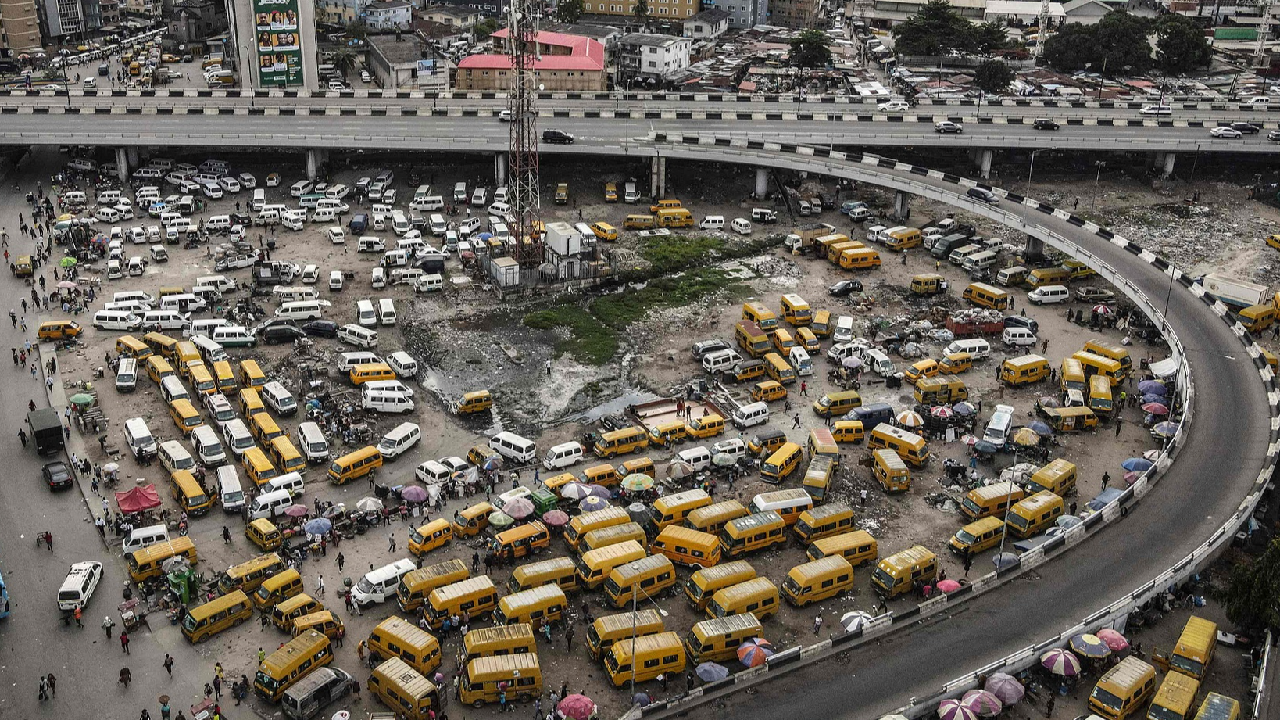
Nigerian businesses across trading, manufacturing, construction, freight forwarding, mining and other sectors are facing growing pressure from foreign operators and imported goods, with industry stakeholders warning that the trend could weaken local investment and employment.
/ You Might Also Like /
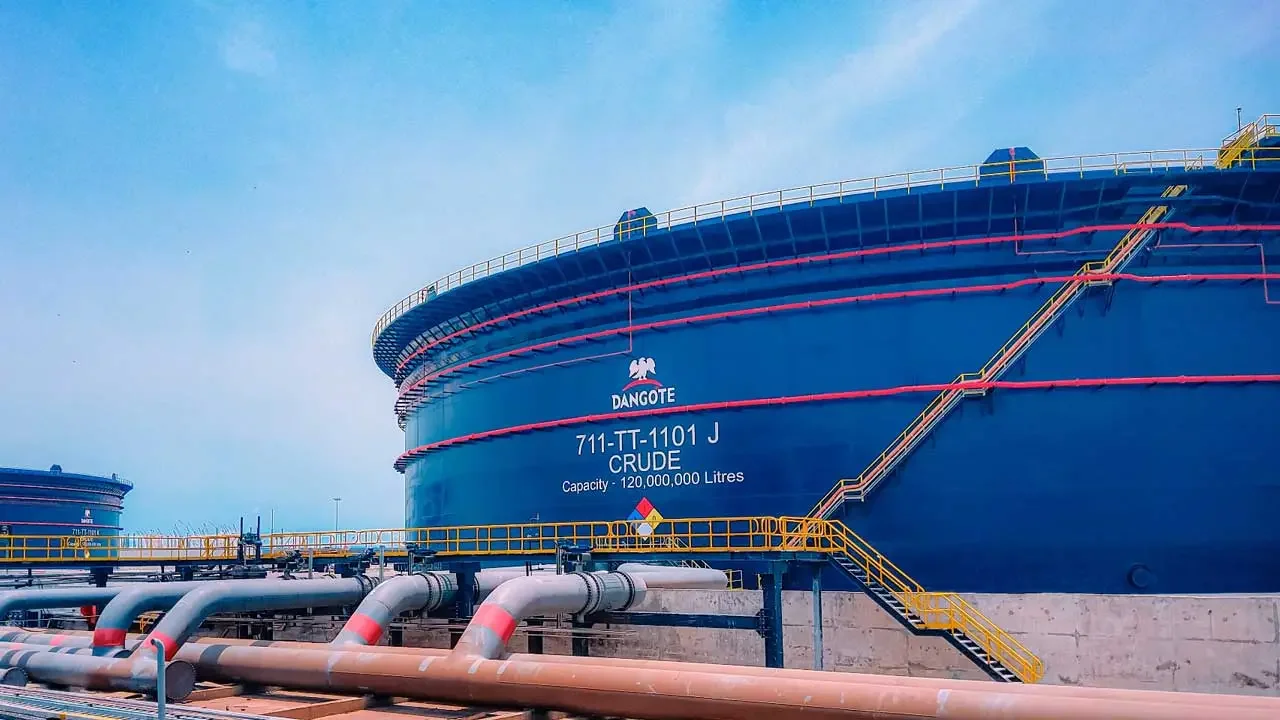

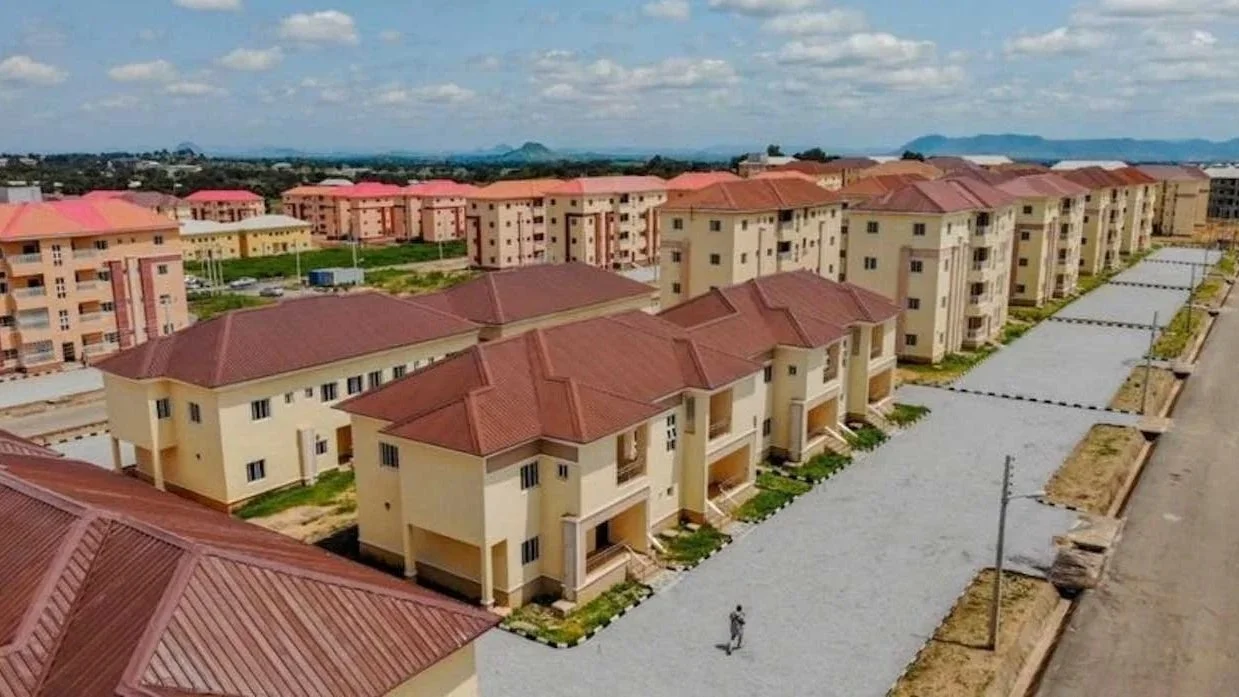

The concerns centre on the increasing participation of foreign-owned businesses in areas traditionally dominated by Nigerian entrepreneurs, including wholesale and retail distribution.
Stakeholders who spoke to Daily Sun argued that some foreign operators are moving beyond manufacturing and large-scale investment into retail and other segments of the domestic value chain, creating stronger competition for local businesses.
Local Businesses Face Growing Competition
For many years, Nigerian traders imported goods from international markets and distributed them through extensive domestic networks.
Stakeholders say that structure has increasingly changed as some foreign businesses now participate directly in manufacturing, importing, wholesaling and retailing.
According to the report, some foreign operators have established warehouses and retail outlets across different parts of Nigeria, allowing them to control several stages of the supply chain.
Local traders argue that the development makes it more difficult for smaller Nigerian businesses to compete, particularly where foreign operators have access to larger sources of capital, international supply chains or lower-cost imported goods.
The resulting pressure, they say, has contributed to business closures and reduced employment opportunities.
Stakeholders Question the Impact of Foreign Investment
The debate is not centred on whether Nigeria should accept foreign investment.
Rather, stakeholders are questioning the form that investment takes and whether it creates sufficient domestic economic value.
Importer Emmanuel Amaife said Nigeria needs foreign investors who bring capital and productive capacity into the country rather than businesses that compete directly with local retailers.
He called for clearer distinctions between foreign investment in large-scale production and foreign participation in retail markets traditionally dominated by Nigerian entrepreneurs.
This distinction is important for policymakers because foreign investment can increase capital formation, production and employment, but the economic benefits can vary significantly depending on where the investment sits within the value chain.
Freight Forwarding and Port Businesses Also Affected
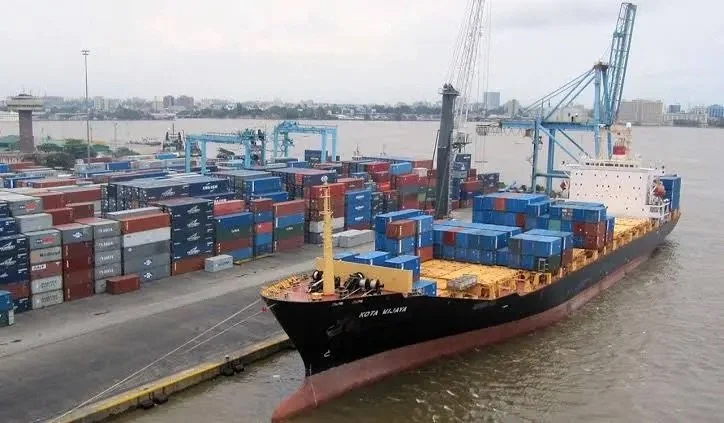
Freight forwarding is among the sectors where stakeholders say foreign participation has increased significantly.
The sector plays an important role in Nigeria's import and export system and contributes to Customs revenue generation.
Trade expert Abdulazeez Mukaila claimed that foreign participation in freight forwarding is costing the economy more than N130 billion annually, although the figure is a stakeholder estimate rather than an independently verified national economic measurement.
Mukaila argued that regulatory gaps and weak enforcement have allowed some foreign operators to enter areas where local businesses previously had stronger participation.
He also raised concerns about the use of free-zone arrangements, alleging that some businesses bring finished products into free zones under arrangements intended for raw materials and value addition before subsequently selling them in the domestic market.
These claims would require regulatory investigation to establish the scale of any non-compliance.
Construction Sector Also Among Areas of Concern
Construction is another sector identified in the report as being affected by increasing foreign participation.
The construction industry has significant links with local employment, building-material supply chains, artisans, professional services, logistics and property development.
Greater foreign participation can bring capital, technology and expertise into the sector, but local contractors and suppliers may face pressure where foreign companies compete directly for projects or control significant parts of the supply chain.
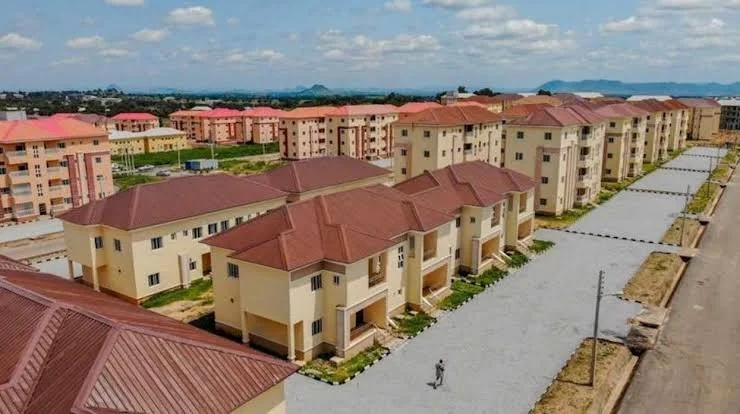
For Nigeria's real estate market, the distinction between productive foreign investment and direct displacement of domestic businesses is important.
Foreign capital that supports housing development, infrastructure, manufacturing or construction capacity can expand economic activity and potentially create additional demand for commercial and industrial property.
However, where business activity is concentrated around importing and distributing finished products without significant local production or employment, the wider economic benefits may be more limited.
Stakeholders Call for Clearer Rules
Muda Yusuf, Chief Executive Officer of the Centre for the Promotion of Private Enterprise, argued that the retail segment of the economy should have clearer restrictions governing foreign participation.
He said foreign operators competing directly with Nigerian retailers could weaken one of the country's major employment-generating segments.
Yusuf called for a clearer division of roles between foreign investors and Nigerian businesses, arguing that international companies could concentrate on manufacturing and large-scale investment while local businesses retain stronger participation in domestic distribution and retail.
Such an approach would require clear legislation and enforcement rather than informal restrictions, particularly because Nigeria also seeks to attract foreign capital.
Free Zones Become Part of the Debate
Nigeria's free-zone regime is another area attracting attention.
The purpose of free zones is to encourage investment, manufacturing, value addition and exports through various fiscal and operational incentives.
Stakeholders interviewed by The Sun alleged that some businesses are exploiting gaps in the system by bringing finished products into free zones and subsequently moving them into Nigeria's domestic market.
These allegations come as the Federal Government is simultaneously reviewing the country's Special Economic Zone framework.
The government said on 20 September that reforms are intended to strengthen the export orientation of free zones, clarify customs and domestic-market treatment, and improve regulatory certainty. The revised framework includes a clearer 75 per cent export and 25 per cent domestic-sales structure.
The government also said Special Economic Zones have attracted more than $200 billion in foreign investment and over N900 billion in domestic investment, while generating more than 100,000 direct jobs and over 500,000 jobs when connected supply chains, logistics networks and host communities are included.
This provides an important counterpoint to concerns about foreign participation: the economic effect depends on how investment is structured, regulated and connected to domestic production.
Local Investment and Employment at the Centre
The debate ultimately comes down to how Nigeria can attract international capital while strengthening its own productive capacity.
Local businesses employ large numbers of Nigerians and provide distribution networks that connect manufacturers and importers with consumers.
When such businesses close, the impact extends beyond individual entrepreneurs to employees, landlords, transport operators, suppliers and other businesses connected to them.
The effect can therefore spread through local commercial property markets as businesses reduce their physical footprints or leave rented premises.
For property owners and commercial developers, sustained business closures could weaken demand for some retail and warehouse spaces, while stronger domestic manufacturing and logistics activity could increase demand for industrial facilities and distribution centres.
Investment Quality Matters for the Property Market
For Nigeria's real estate sector, the issue is particularly relevant because commercial and industrial property demand is closely tied to economic activity.
Manufacturing companies require factories and industrial estates. Distributors need warehouses. Retailers require shops and markets. Businesses need offices and logistics facilities.
Consequently, the quality and composition of investment entering the economy can influence the type of property demand generated.
Investment that establishes production facilities, employs workers and develops supply chains can create sustained demand for commercial and industrial real estate.
By contrast, investment concentrated primarily on short-cycle trading activities may generate less long-term demand for productive property infrastructure.
Policy Balance Remains Critical
Nigeria faces the challenge of maintaining an investment-friendly environment while protecting legitimate domestic businesses from unfair competition.
Stakeholders interviewed by The Sun called for stronger legislation, enforcement and clearer rules governing sectors in which foreign operators can participate.
At the same time, recent government efforts to reform Special Economic Zones show that policymakers are attempting to balance investor incentives with greater fiscal accountability and compliance.
The issue is therefore less about restricting foreign investment generally and more about ensuring that investment produces measurable economic value through capital formation, production, employment, technology transfer and exports.
Outlook
The concerns raised by Nigerian traders, manufacturers and other businesses point to a broader debate about the structure of Nigeria's economy and the role of foreign capital.
Foreign investment can provide capital and expand productive capacity, but stakeholders argue that its benefits are weakened when foreign operators compete directly with small domestic businesses without generating comparable levels of local employment or value addition.
For Nigeria's property and construction sectors, the outcome will depend partly on whether investment continues to move towards productive activities that require factories, warehouses, offices, housing and infrastructure.
As the Federal Government reviews trade and Special Economic Zone policies, clearer rules, stronger enforcement and better monitoring of investment outcomes could help determine whether foreign participation complements or displaces domestic enterprise.
The central policy challenge is to attract international capital while creating conditions in which Nigerian businesses can expand, employ workers and participate meaningfully across the country's value chains.
READ MORE