NPA Handles 2,300 Ships as Cargo Throughput Rises 12.2% in H1 2026

NPA Reports Stronger Port Activity as Cargo Throughput Hits 68.2m Tonnes
The Nigerian Ports Authority (NPA) handled 2,300 ships across the country’s ports in the first half of 2026, while total cargo throughput increased by 12.2 per cent year-on-year to 68.2 million metric tonnes.
The performance represents a 6.9 per cent increase in the number of ships handled compared with the 2,152 vessels recorded during the corresponding period of 2025.
/ You Might Also Like /




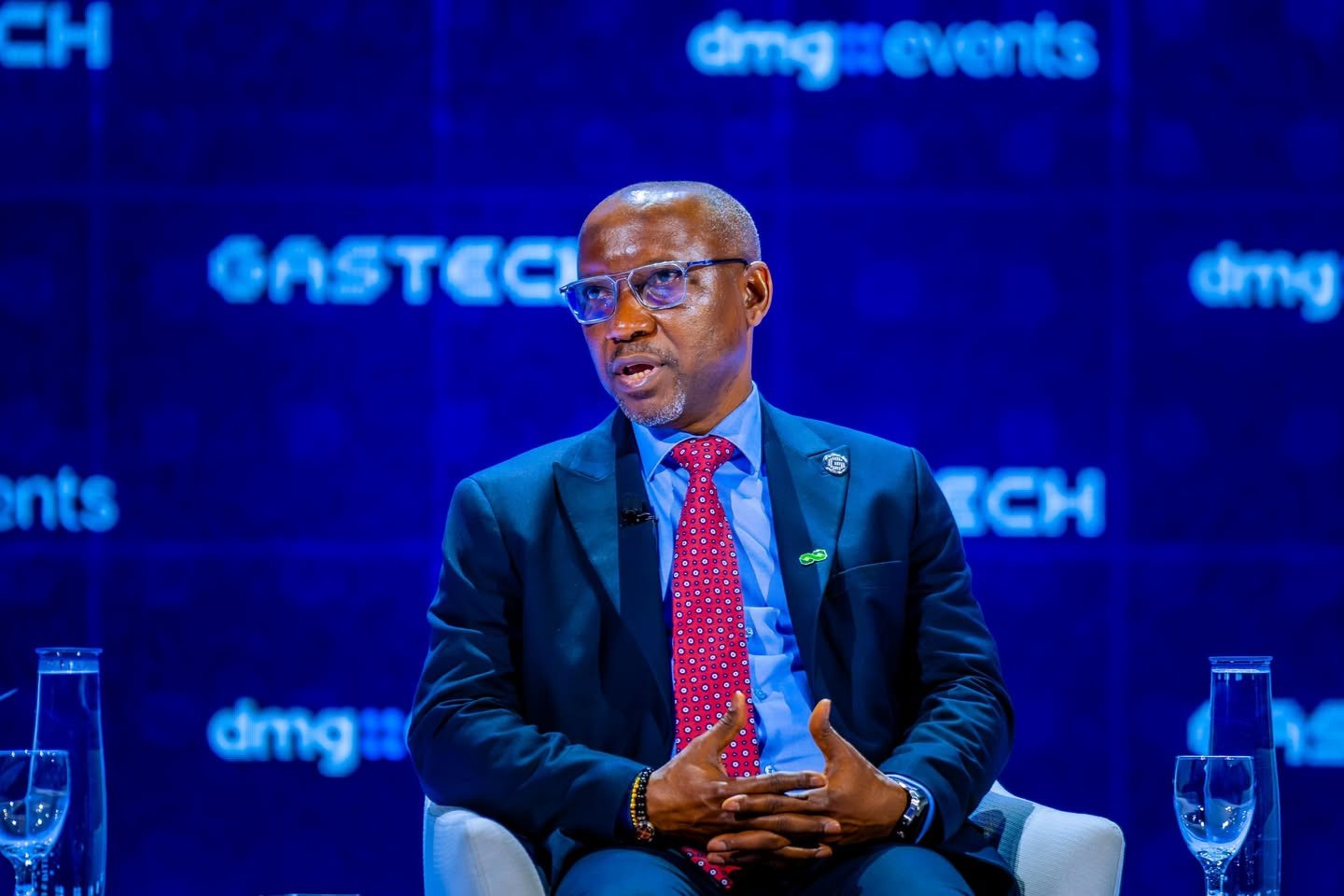
NPA Managing Director Abubakar Dantsoho disclosed the figures at the quarterly meeting of the Nigerian Ports Consultative Council in Lagos, where stakeholders discussed measures to improve port efficiency and strengthen Nigeria’s maritime sector.
Cargo Throughput Rises to 68.2 Million Tonnes
Total cargo throughput increased from 60.8 million tonnes in H1 2025 to 68.2 million tonnes in the first six months of 2026.
Inward cargo rose to 38.4 million tonnes from 36.3 million tonnes, while outward cargo increased by 23.5 per cent to 29.2 million tonnes.
The growth indicates stronger movement of goods through Nigeria’s maritime gateways and comes as industrial and trade activity increases across several port locations.
Gross Registered Tonnage also increased significantly, rising 20.9 per cent to 96.6 million from 79.9 million tonnes in H1 2025.
The NPA attributed much of the improvement to stronger activity at Lekki and Onne ports.
Lekki Port Accounts for Nearly 40% of Cargo
Lekki Port emerged as a major contributor to the increase, accounting for nearly 40 per cent of national cargo throughput during the period.
Operations connected to the Dangote Refinery accounted for more than 76 per cent of the port’s cargo traffic.
The refinery’s planned expansion to 1.4 million barrels per day is expected to require additional infrastructure investment, with the NPA identifying the development as an important factor in future port activity.
Onne Port accounted for 22.7 per cent of national cargo throughput, supported largely by liquefied natural gas exports.
Calabar and Rivers ports jointly contributed slightly more than four per cent.
Container Traffic Also Records Growth
Container traffic increased by 10.3 per cent during the period to 815,236 twenty-foot equivalent units, compared with 739,142 TEUs in H1 2025.
Imports accounted for 546,755 TEUs, representing 67 per cent of total container traffic, while container exports stood at 203,980 TEUs, equivalent to 25 per cent.
Transshipment recorded the fastest rate of growth, increasing by 169.5 per cent to 35,574 TEUs. Despite that increase, transshipment still represented only about four per cent of total container throughput.
Vehicle handling also rose substantially, increasing 42.5 per cent to 103,375 units from 72,568 units in the corresponding period of 2025. The increase was attributed largely to transshipment operations at the Ports and Terminals Multiservices Limited facility at Tin Can Island Port.
Port Growth Creates Opportunities for Logistics Property
The increase in cargo volumes has implications beyond maritime operations, particularly for Nigeria’s logistics and industrial property markets.
Higher cargo throughput typically creates demand for supporting infrastructure such as warehouses, distribution centres, truck parks, container depots, cold-chain facilities and industrial premises.
Locations with strong connections to ports can therefore become increasingly important for logistics operators and property developers seeking to serve manufacturers, importers, exporters and distributors.
The growth around Lekki is particularly relevant to the property market because port activity is occurring alongside major industrial and infrastructure investments in the wider Lekki-Epe corridor.
As cargo movement increases, demand for strategically located logistics facilities could also strengthen around major transport corridors connecting ports with industrial and consumption centres.
Rail Freight Could Reshape Port-Linked Property Demand
The development of rail freight infrastructure is another important factor for the logistics property market.
Nigerian Railway Corporation Managing Director Kayode Opeifa said freight operations at Ijora, Moniya and Papalanto were nearing completion, while the corporation was expanding standard- and narrow-gauge rail services connecting Apapa, Tin Can Island and Lekki ports with inland locations.
Improved rail connections could facilitate the movement of cargo away from ports and reduce dependence on road transport.
The NPA has previously linked better cargo evacuation to lower congestion and improved logistics efficiency.
For real estate, better freight connectivity can influence where warehouses, distribution centres and industrial facilities are developed. Properties located near rail-linked logistics nodes could become more attractive to businesses seeking to reduce transportation and distribution costs.
Vessel Turnaround Time Remains a Challenge
Despite the increase in cargo activity, some operational indicators point to continued capacity challenges.
Vessel turnaround time increased by six per cent from five days in H1 2025 to 5.3 days during the first half of 2026.
Overall berth occupancy also increased by 3.1 per cent to 36.1 per cent.
The figures indicate that higher activity has not eliminated operational constraints, reinforcing the need for continued investment in port infrastructure and cargo-handling capacity.
NPA Seeks Greater Funding for Port Infrastructure
Dantsoho identified inadequate funding as a major constraint on the authority’s ability to respond quickly to operational emergencies and support infrastructure needs.
He said the Federal Government’s 50 per cent automatic deduction from government-owned enterprises was limiting the NPA’s financial capacity and called for support for an 80:20 revenue-sharing arrangement in favour of the authority.
He also stressed the need for continued collaboration on port reconstruction and modernisation projects.
The funding issue is significant for the wider property and logistics sectors because the efficiency of port infrastructure affects the cost and reliability of moving goods into and out of the country.
Nigeria Still Seeks Regional Maritime Hub Status
The NPA also highlighted the limited contribution of transit cargo as a major gap in Nigeria’s ambition to become a regional maritime hub.
Although transshipment increased sharply during the period, it remained a relatively small proportion of total container traffic. Dantsoho said Nigeria needs to develop transit cargo serving landlocked neighbouring countries to strengthen its position as a regional logistics centre.
A stronger transit trade position could have implications for inland logistics markets, particularly where cargo can be efficiently transferred from seaports to inland dry ports and distribution centres.
This could support investment in warehouses, industrial estates and logistics parks along strategically located transport corridors.
Outlook for Logistics and Industrial Property
The H1 2026 port figures point to increasing activity across Nigeria’s maritime and logistics system, with cargo throughput, container traffic and vehicle handling all recording growth.
For the property market, the most important implication is the potential expansion of demand for logistics and industrial space around ports and the transport networks connecting them to inland markets.
However, the extent of that opportunity will depend on continued investment in port capacity, road and rail connectivity, cargo evacuation and industrial infrastructure.
With Lekki and Onne already accounting for substantial shares of national cargo activity, their surrounding property markets could remain important locations for logistics and industrial development as Nigeria’s trade and manufacturing networks expand.
The combination of rising cargo volumes and improving freight infrastructure therefore provides a significant indicator for Nigeria’s industrial property market, although sustained growth will depend on whether port efficiency and supporting infrastructure keep pace with demand.
READ MORE