CNG Rollout Could Lower Transport Costs and Reshape Nigeria’s Urban Mobility
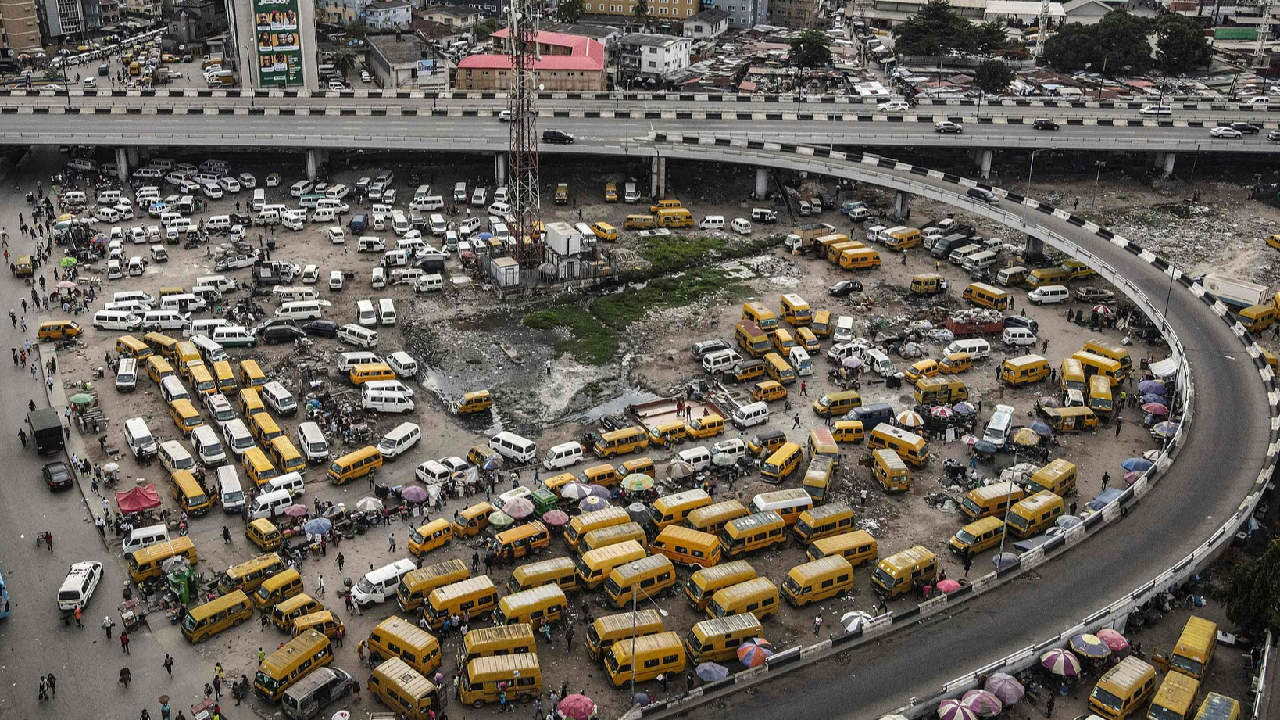
CNG expansion targets lower transport costs
The Federal Government is targeting measurable reductions in transportation costs from October 1 as it expands the use of compressed natural gas-powered and electric public transport across Nigeria.
President Bola Tinubu said the Federal Government was working with state governments and transport stakeholders to ensure that savings from cheaper energy translate into lower fares for commuters.
/ You Might Also Like /



The announcement follows a meeting with the governors of the 36 states on August 27, after which an implementation committee for the National Affordable CNG Transit Programme was established under the Nigeria Governors’ Forum.
Government Targets Lower Transport Costs From October
Tinubu said the committee, states, PI-CNG & EV and other stakeholders were identifying priority transport corridors and determining the interventions required to expand cheaper public transport.
The President said the initiative had become more urgent because global energy disruptions were putting pressure on petrol and diesel prices and, consequently, transportation costs.
Rather than relying on petrol, the programme is designed to increase the use of Nigeria’s natural gas resources for transportation.
The government is also encouraging states to work with transport unions and commercial operators to accelerate vehicle conversion and fleet deployment before October 1.
Existing CNG Programmes Have Reduced Fares
The Federal Government is using existing state-level programmes as evidence that lower energy costs can translate into cheaper transportation.
Tinubu cited Borno, where CNG-powered and electric public transport services reportedly charge between N50 and N100 on routes where commercial operators charge N300 to N600.
In Kaduna, he said 100 CNG-powered buses provided free transportation on major routes and carried about 3.2 million passengers during their first year, saving commuters more than N3.5 billion in transportation costs.
In Oyo, the deployment of CNG buses to Pacesetter Transport reduced the Lagos-Ibadan fare from about N8,000 to N3,200 during the initial deployment.
Other examples include Adamawa, where alternative-energy transport reportedly reduced fares by as much as 50 per cent, and Enugu, where the deployment of 100 CNG buses reduced the Enugu-Nsukka fare from N2,500 to N1,500.
Abuja Routes Also Record Fare Reductions
The Federal Government has also highlighted the effect of CNG conversion on selected Abuja routes.
Through a partnership with the National Union of Road Transport Workers, passengers using CNG-converted commercial vehicles on some routes are reportedly receiving fare reductions of 40 per cent.
The Area 1-Gwagwalada fare, for example, fell from N1,500 to N900, while the Nyanya fare declined from N700 to N420. The Wuse route reportedly dropped from N400 to N240.
In Niger State, passengers travelling on the Suleja-Abuja route pay N550 compared with about N800 previously cited by the President, while Abia has deployed 40 electric buses with fares subsidised by 50 per cent.
These examples demonstrate the potential effect of lower-cost energy on commuter expenses, although the extent to which savings reach passengers will depend on operating costs, infrastructure availability and the scale of deployment.
More Than 120,000 Vehicles Converted
Tinubu said the Federal Government had spent the past three years developing a CNG transportation ecosystem across the country.
More than 120,000 vehicles have reportedly been converted to CNG, while Nigeria now has more than 400 certified conversion centres and over 90 CNG refuelling stations.
The government intends to expand both conversion capacity and refuelling infrastructure as more states and transport operators adopt the technology.
The scale of the infrastructure network will be critical because the benefits of CNG conversion depend not only on the availability of converted vehicles but also on reliable access to refuelling facilities.
Transport Costs Have Wider Housing Implications
For Nigeria's property market, transportation costs are an important component of housing affordability.
A household may find housing further from a major employment centre more affordable in terms of rent or purchase price, but higher transport costs can offset some of that saving.
Improved and cheaper public transport could therefore make properties in peripheral areas more accessible to workers who commute into major employment centres.
This could gradually influence residential demand along transport corridors where reliable CNG-powered buses and other mass-transit services are available.
Cheaper Mobility Could Support Emerging Property Corridors
The relationship between transport infrastructure and property development is particularly relevant in rapidly expanding cities such as Lagos, Abuja and Ibadan.
Where new transport routes reduce travel times and commuting costs, previously less accessible locations can become more viable for residential development.
The Lagos-Ibadan corridor provides an example of how transport connectivity can influence the relationship between residential communities and employment centres.
If lower-cost public transportation becomes more widely available along similar corridors, developers may have greater opportunities to develop housing outside the most expensive urban locations.
However, cheaper transport alone will not guarantee new property development. Land costs, infrastructure, security, utilities and access to finance will continue to determine whether new residential areas become commercially viable.
CNG Infrastructure Could Also Generate Property Demand
The expansion of CNG infrastructure has implications for commercial and industrial property.
Refuelling stations, conversion centres, gas infrastructure and supporting logistics operations require suitable sites and supporting facilities.
The growth of a wider CNG ecosystem could therefore generate demand for strategically located commercial and industrial land, particularly along major transport corridors.
Manufacturers and fleet operators adopting CNG may also require facilities that can support vehicle maintenance, storage and fleet operations.
This creates a potential link between energy infrastructure investment and property development beyond the residential market.
Lower Fares Could Improve Household Purchasing Power
Transportation is a significant recurring expense for many Nigerian households.
If CNG-powered public transport can consistently reduce commuting costs, households could have more disposable income available for other expenses, including rent, mortgage payments and home improvement.
The effect will depend on whether the savings are sustained and passed through to passengers rather than absorbed by rising operating or maintenance costs.
Nairametrics has previously reported that limited refuelling infrastructure and other operating expenses have prevented CNG fuel savings from consistently translating into lower fares in some locations.
This makes the October rollout important not only as an infrastructure programme but also as a test of whether lower energy costs can translate into sustained reductions in commuter expenses.
States Have a Key Role in Implementation
The Federal Government's target depends significantly on state governments because urban transportation systems are largely implemented at the state and local levels.
The implementation committee under the Nigeria Governors' Forum is expected to work with states to identify priority routes and determine appropriate interventions.
Tinubu urged governors to accelerate vehicle conversion, fleet deployment and infrastructure development while working with transport unions and commercial operators.
The effectiveness of the programme will therefore vary according to the capacity of individual states to coordinate operators, provide infrastructure and maintain affordable fares.
Outlook for Urban Mobility and Property
The expansion of CNG-powered transportation could become an important factor in Nigeria's evolving urban mobility system if the government and states can achieve broad coverage and maintain affordable fares.
For the real estate market, the potential impact lies in improved accessibility.
Lower commuting costs could make housing in emerging urban corridors more viable for workers, while CNG infrastructure itself could stimulate demand for strategically located commercial and industrial property.
The immediate challenge, however, is moving from isolated examples of lower fares to a nationwide system in which the benefits of cheaper energy consistently reach commuters.
With more than 120,000 vehicles already converted and the Federal Government targeting wider deployment from October 1, the next phase will determine whether CNG can move from a growing alternative-fuel programme into a significant component of Nigeria's public transport system
READ MORE