FOCI Warns Nigeria’s Construction Sector Faces Collapse as 41,800 Jobs Are Lost

FOCI raises alarm over construction sector crisis
The Federation of Construction Industry (FOCI) has warned that Nigeria’s construction sector is facing a severe funding crisis, with delayed payments, rising operating costs and inadequate financing forcing contractors to suspend projects or operate below capacity.
/ You Might Also Like /


The federation said the situation has also resulted in significant employment losses, with about 41,800 workers reportedly losing their jobs during the period under review. The figure comprises 1,000 senior staff and 40,800 junior workers, according to FOCI.
The warning comes at a time when Nigeria continues to depend heavily on construction activity for infrastructure expansion, housing delivery, employment and economic development.
Contractors Suspend Projects Over Unpaid Bills
FOCI attributed the deterioration in construction activity largely to the gap between government budgetary allocations and the actual release of funds for infrastructure projects.
The federation said several projects were awarded without sufficient multi-year funding arrangements. As payments became delayed, certified debts accumulated, leaving contractors with limited cash flow to continue operations.
FOCI said many of its members are either not working or operating at significantly reduced capacity because they have not received payment for certified work.
The organisation also raised concerns about the termination of some contracts by the Ministry of Works, arguing that contractors should not be held responsible for delays resulting from inadequate funding.
According to the federation, large infrastructure projects require predictable and sustained funding because contractors must commit substantial resources to labour, equipment, materials and logistics before projects can be completed.
Funding Crisis Causes 41,800 Reported Job Losses
FOCI said the funding challenges have had a direct impact on employment across the construction industry.
The federation reported that approximately 41,800 workers had lost their jobs, including 1,000 senior employees and 40,800 junior workers. It warned that the consequences extend beyond the affected workers to their families, suppliers, small businesses and other parts of the economy that depend on construction activity.
Construction has a broad economic footprint because projects generate demand for building materials, transportation, engineering services, equipment rental, professional services and skilled and unskilled labour.
A prolonged slowdown could therefore affect more than contractors alone, particularly in markets where construction activity represents a major source of income.
Rising Construction Costs Add to Industry Pressure
FOCI also pointed to the increase in construction input costs as another major challenge confronting contractors.
The federation cited higher prices for cement, steel, bitumen, diesel, equipment and spare parts, linked to inflation, foreign exchange movements and the depreciation of the naira.
This has created a particular problem for projects awarded several years ago. Contractors working under older contract rates may now face significantly higher costs than those anticipated when the projects were originally priced.
FOCI argued that contract pricing and variation mechanisms need to account for prevailing economic conditions and the specific circumstances of individual projects.
The issue is particularly important for housing and real estate development because increases in the cost of cement, steel, transportation, energy and equipment directly affect the cost of delivering new buildings.
High Borrowing Costs Further Squeeze Contractors
The federation also identified the cost of finance as a major constraint.
FOCI said lending rates in the banking sector were ranging from about 20 per cent to as high as 46 per cent, placing additional pressure on contractors that need working capital to continue projects while waiting for government payments.
Delayed certification and payment can force contractors to finance portions of public projects from their own working capital or through expensive borrowing.
This creates a difficult cycle: contractors require financing to maintain operations, but high interest rates increase the cost of completing projects and can further weaken their financial position.
Construction Crisis Could Affect Housing Delivery
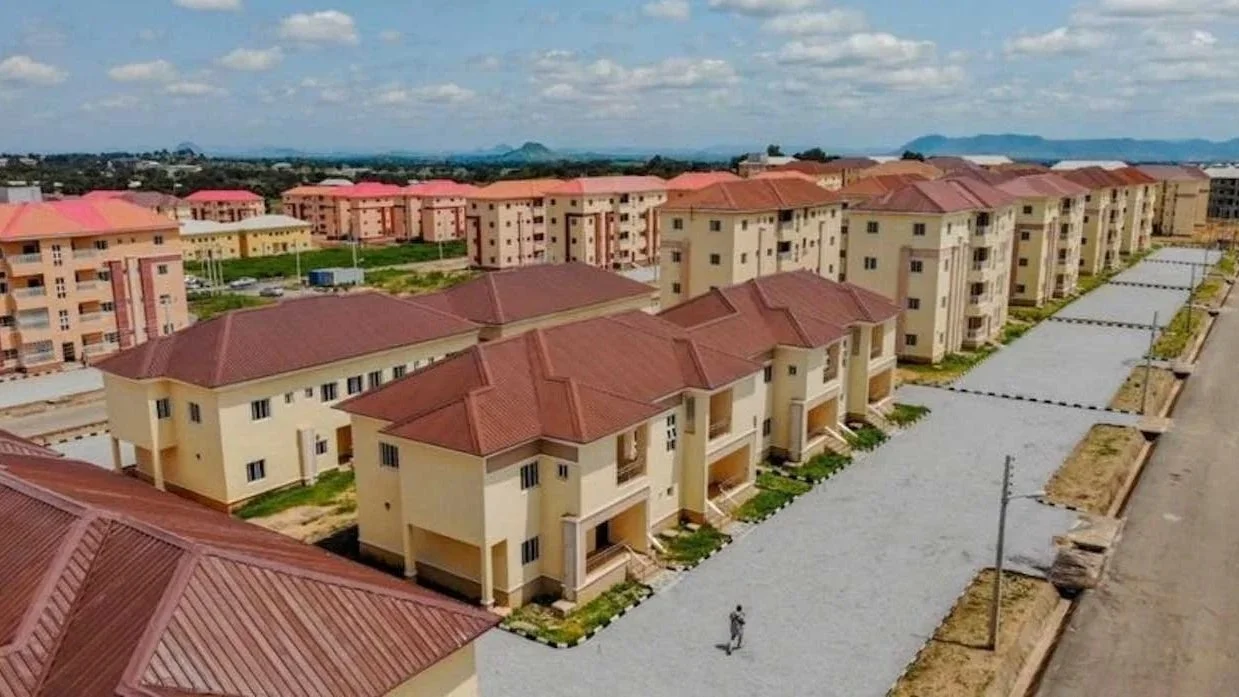
The construction sector's difficulties also have implications for Nigeria's housing market.
Housing developers operate within the same cost environment as infrastructure contractors. When the prices of materials, equipment, energy and finance rise, developers face higher costs of delivering residential projects.
For private developers, this can translate into higher selling prices or rents, delays in project completion, reduced project sizes or the postponement of new developments.
For public housing programmes, funding uncertainty can similarly affect the pace at which planned housing units are delivered.
The wider concern is that a weakened construction industry could limit the capacity available to respond to Nigeria's housing needs at a time when the country requires significant investment in new homes and urban infrastructure.
Infrastructure Funding Requires Greater Certainty
FOCI said increased budgetary allocations alone would not necessarily translate into completed infrastructure projects.
The federation called for greater certainty around project funding, stronger payment discipline and improvements in contract administration. It also urged relevant institutions to work together on standard contractual conditions.
The organisations identified for greater collaboration include the Bureau of Public Procurement, the Council for the Regulation of Engineering in Nigeria, the Nigerian Society of Engineers, the Federal Ministry of Works and the Federal Ministry of Justice.
Such reforms could help reduce uncertainty for contractors and make it easier for companies to plan labour, procurement, equipment deployment and project financing.
Nigeria’s Infrastructure Deficit Remains a Major Opportunity
Despite its warning, FOCI acknowledged that Nigeria's infrastructure deficit represents significant long-term opportunities for the construction industry.
The federation's concern is that these opportunities cannot be fully realised without reliable project financing and effective implementation.
For the housing sector, this distinction is important. More infrastructure allocations can create opportunities for roads, water systems, drainage, electricity networks and other facilities that support new residential communities. However, projects must receive funding consistently enough to move from budget provisions to physical completion.
Reliable infrastructure is also critical to the viability of emerging residential areas. Developers are more likely to commit capital where roads, drainage, power, water and other supporting infrastructure can be delivered within predictable timelines.
FOCI Calls for Urgent Intervention
FOCI has called for urgent intervention to prevent further deterioration in the construction industry.
Its concerns centre on funding certainty, delayed payments, contract administration, cost adjustments and the high cost of borrowing.
For Nigeria's housing and property market, resolving these challenges could help improve construction capacity and reduce some of the uncertainty affecting project delivery.
The construction industry's ability to remain financially viable will remain closely linked to the country's broader housing supply, infrastructure development and urban growth objectives.
READ MORE