50MW power project planned for Idu Industrial Area
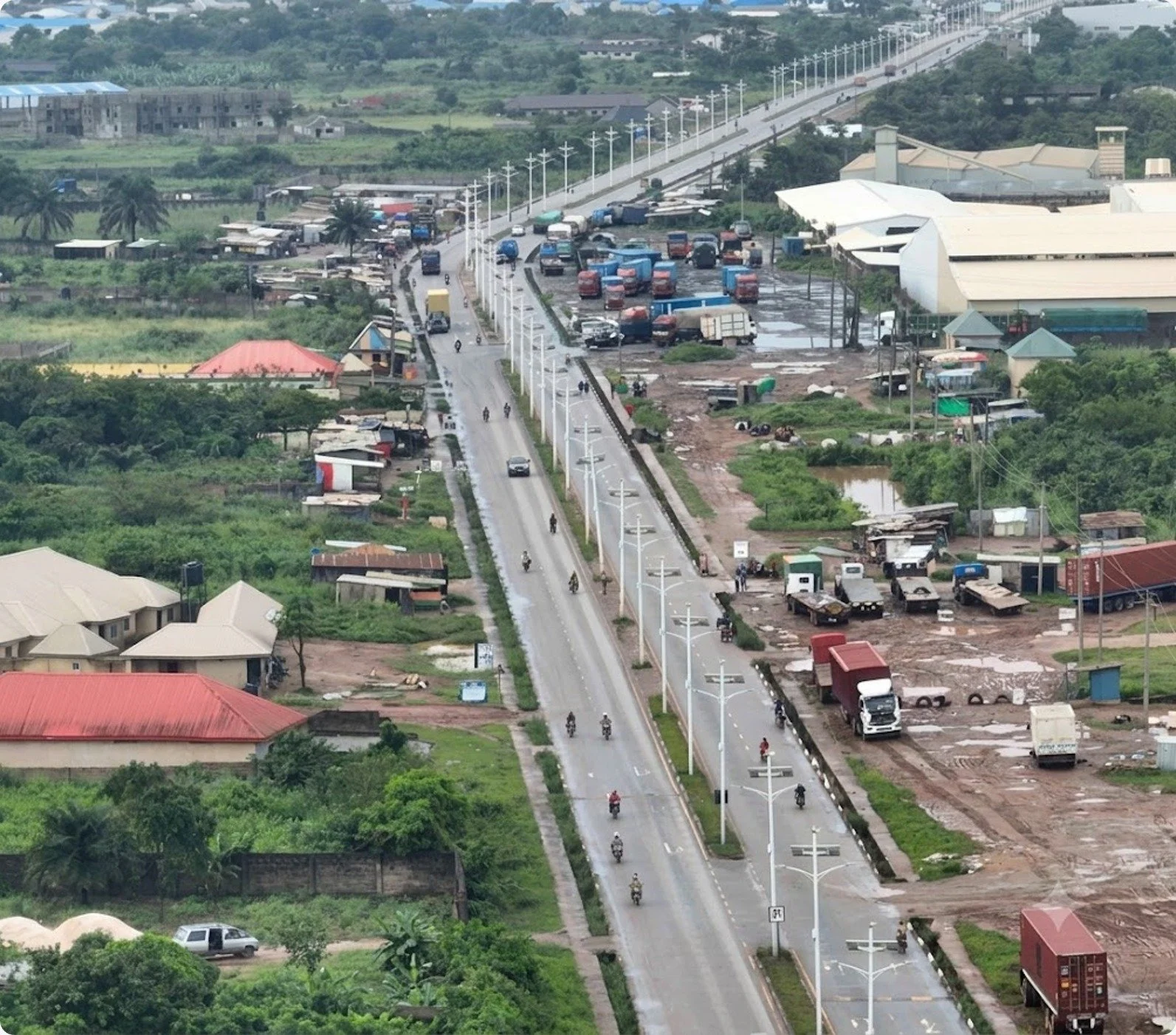
The Idu Industrial Area in Abuja is set to receive a 50-megawatt (MW) gas-powered electricity project as the Federal Government moves to improve power supply to industrial clusters and reduce businesses’ reliance on expensive alternative sources of electricity.
/ You Might Also Like /




The project is being developed in phases, with the first 10MW expected to be delivered by December 2026. A further 40MW is planned within the following year, bringing the total planned capacity to 50MW. The project was formally launched with a groundbreaking ceremony at Lungi in the Zuba area of Abuja.
The initiative is expected to strengthen electricity supply to businesses operating within the Idu Industrial Area, one of Abuja’s established industrial locations.
First 10MW Expected by December
The Federal Government has set December 2026 as the target for delivering the first 10MW of the project.
The remaining 40MW is expected to be rolled out during 2027, according to statements from government officials at the project launch. The phased approach is intended to begin improving electricity availability while construction of the wider 50MW capacity continues.
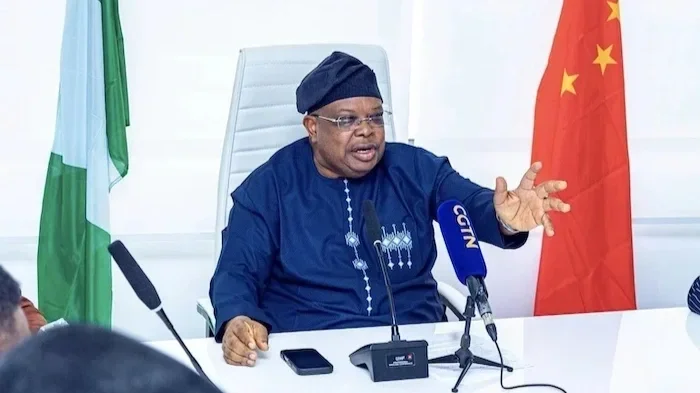
The Minister of Power, Joseph Olasunkanmi Tegbe, said the intervention forms part of broader efforts to address electricity challenges affecting industrial areas across the country.
The government has also indicated that technical assessments are being undertaken across major industrial corridors, including the Lagos industrial axis, Abuja-Kaduna corridor and Enugu-Onitsha axis.
Industrial Operators Face High Energy Costs
Power reliability remains a significant operating issue for industrial businesses, many of which depend on diesel generators when grid electricity is unavailable or inadequate.
The Idu project is therefore expected to reduce some of the pressure associated with alternative power generation if the planned capacity is delivered consistently.
For manufacturers and other industrial operators, more reliable electricity can influence production costs, equipment utilisation and the ability to maintain continuous operations.
The impact, however, will depend not only on generation capacity but also on transmission and distribution infrastructure capable of delivering the electricity to industrial users.
Tegbe stressed the importance of coordination between generation, transmission and distribution systems for industrial customers to receive the intended benefits.
Power Infrastructure Could Support Idu’s Industrial Growth
Improved electricity supply could also strengthen the development potential of the wider Idu industrial corridor.
Reliable infrastructure is an important consideration for businesses deciding where to establish factories, warehouses, workshops, logistics facilities and other commercial operations. Better power availability can therefore contribute to increased demand for industrial property where other infrastructure and planning conditions are also adequate.
The effect could extend beyond industrial facilities. As employment and business activity increase around an industrial cluster, demand can also emerge for nearby housing, retail, hospitality, transport services and other supporting developments.
For Abuja's property market, the development is therefore relevant not only as an energy project but also as infrastructure that could influence the long-term growth of an emerging economic corridor.
Infrastructure Remains Important to Property Development
The proposed power project highlights the relationship between infrastructure and real estate development.
Industrial and residential developments require more than land. Electricity, roads, water supply, drainage, telecommunications and other infrastructure determine how effectively an area can support sustained economic and population growth.
This is particularly relevant to Abuja, where expansion towards peripheral districts has created new opportunities for residential and commercial development.
Where infrastructure improves alongside economic activity, developers may find stronger justification for investing in surrounding areas. However, increased property demand can also place pressure on land values and housing costs if residential supply and supporting infrastructure do not expand at a comparable pace.
Project Delivery Will Determine Its Wider Impact
The planned 50MW capacity represents a significant addition for the Idu Industrial Area, but its eventual economic and property-market impact will depend on implementation.
Meeting the December deadline for the first 10MW would provide an early indication of the project's progress, while completion of the remaining 40MW would determine whether the full planned capacity becomes available.
The consistency of supply will also matter. Industrial operators require predictable electricity rather than temporary improvements, particularly when making long-term investment and expansion decisions.
Effective distribution infrastructure and transparent arrangements for industrial consumers will therefore be important alongside the generation project.
Idu Project Forms Part of Wider Industrial Infrastructure Push
The Federal Government has linked the Idu project to a broader strategy aimed at improving electricity supply to industrial clusters and supporting local production.
The Minister of State for Industry, John Owan Enoh, said the wider industrial strategy is focused on local production, value addition, economic diversification and connecting Nigerian industries to global markets.
For Nigeria's built environment, stronger industrial infrastructure could have wider implications. Industrial expansion can create employment centres that stimulate demand for housing and commercial property, while improved infrastructure can make previously underdeveloped locations more attractive for investment.
The Idu project consequently represents an intersection between energy infrastructure, industrial development and the wider property market. Its success will depend on the delivery of the planned capacity and the ability of surrounding infrastructure and urban planning systems to support the growth that improved power supply could generate.
READ MORE