Finance Ministry, Contractors Clash Again Over Outstanding Government Debts
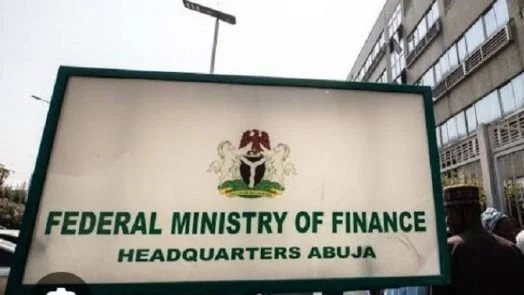
A fresh dispute has emerged between the Federal Ministry of Finance and indigenous contractors over the payment of outstanding government debts, highlighting ongoing challenges in settling obligations tied to completed public projects. While the Federal Government says it has accelerated payments and approved substantial funds for verified claims, contractors argue that a significant proportion of members remain unpaid and continue to face severe financial pressure.
/ You Might Also Like /




The disagreement resurfaced after members of the All Indigenous Contractors Association of Nigeria (AICAN) resumed protests in Abuja, demanding the immediate settlement of arrears linked to contracts executed under previous federal budgets. The contractors contend that payment delays have persisted despite multiple assurances from government officials and previous interventions aimed at resolving the issue.
Government Says Payments Are Underway
According to the Federal Ministry of Finance, the government has intensified efforts to clear verified obligations owed to local contractors. Officials disclosed that more than 1,240 contractors have been approved for payment, with priority given to firms holding verified claims valued at ₦100 million or less.
The ministry stated that over ₦700 billion in verified obligations has been processed in recent months, including approximately ₦436.6 billion in transactions completed during May alone. Officials argued that the payment strategy is designed to spread economic benefits across a wider number of businesses rather than concentrating disbursements among a few large contractors.
Government representatives also emphasised that approval of funds does not automatically translate into immediate payment, noting that the settlement process requires additional administrative and financial procedures before funds reach beneficiaries.
Contractors Dispute Extent of Payments
Despite the ministry’s assurances, contractors insist that the majority of outstanding claims remain unsettled. Leaders of AICAN claim that approximately 85 per cent of affected contractors have yet to receive payment, despite submitting verified documentation and receiving assurances that funds would be released.
The association stated that members expected payments to be credited following earlier engagements with the Ministry of Finance and the Office of the Accountant-General but reported that only a limited number of contractors have received funds. Contractors have therefore renewed pressure on the government to accelerate disbursements and provide greater transparency regarding the payment process.
Industry representatives also questioned official claims regarding the scale of payments already made, arguing that evidence of widespread disbursement has not yet been reflected across the contractor community.
Economic Impact on Construction and Infrastructure Delivery
The prolonged dispute has significant implications for Nigeria’s construction and infrastructure sectors. Many contractors rely on timely government payments to maintain operations, pay workers, service loans and procure materials for ongoing projects.
Contractors have warned that delayed payments have strained cash flow, increased borrowing costs and affected project execution capacity. Previous protests by contractor groups highlighted concerns that outstanding obligations have contributed to financial distress across the sector and hindered economic activity.
Analysts note that delayed settlement of public sector obligations can create ripple effects throughout the economy, particularly in industries closely linked to government infrastructure spending. Construction firms, suppliers, subcontractors and financial institutions all face increased risks when project payments remain outstanding for extended periods.
Implications for Housing and Infrastructure Development
The issue is particularly relevant to Nigeria’s housing and infrastructure sectors, where contractors play a central role in delivering roads, public buildings, housing projects and urban infrastructure. Delays in contract payments can slow project completion, increase costs and discourage future investment in government-backed developments.
The Federal Government has prioritised infrastructure and housing delivery as part of its broader economic development strategy. However, industry stakeholders argue that sustained progress depends on ensuring that contractors receive payments promptly for completed and verified work.
For investors and developers, the dispute highlights the importance of predictable public finance management and efficient budget implementation in supporting long-term infrastructure development.
Government Seeks to Reassure Stakeholders
Officials maintain that the government remains committed to clearing verified obligations and supporting contractors affected by payment delays. The Ministry of Finance stated that additional funds have been approved and that further payments are expected as processing continues.
Government representatives have also emphasised the broader economic benefits of settling contractor debts, arguing that increased liquidity will enable businesses to return to project sites, meet financial obligations and contribute to economic growth.
Nevertheless, contractors continue to call for faster execution of approved payments and greater accountability in the disbursement process.
Outlook
The renewed confrontation between the Finance Ministry and indigenous contractors underscores the challenges associated with managing outstanding government liabilities during a period of fiscal pressure and ambitious infrastructure goals. While the government reports progress in processing payments, contractors maintain that many verified claims remain unresolved.
For the construction, housing and infrastructure sectors, the speed at which these obligations are settled will be closely watched. Timely payment of contractors remains essential to maintaining project delivery, supporting employment and sustaining confidence in public-sector development programmes.
READ MORE