The Rural Electrification Agency (REA) has disclosed that only about 80 million Nigerians currently have access to electricity, highlighting the country's significant infrastructure gap as it works towards universal energy access.
Speaking on the need to accelerate electricity expansion, the agency said improving access to reliable power remains essential for economic development, industrial growth and improved living standards. The REA is pursuing a combination of decentralised renewable energy systems, mini-grids and local solar manufacturing to bridge the country's electricity deficit.
/ You Might Also Like /




Electricity Access Remains a Development Challenge
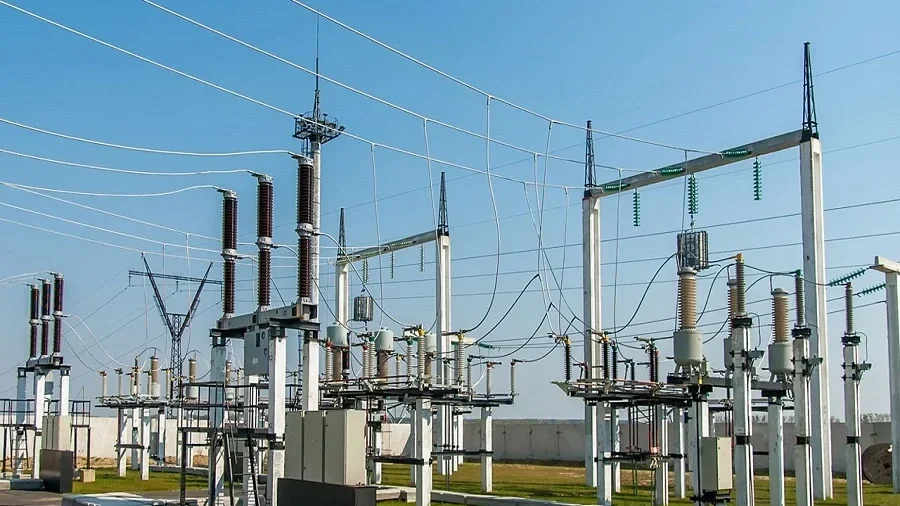
Despite ongoing investments in the power sector, a large proportion of Nigeria's population continues to lack reliable electricity. Limited access affects households, businesses and public services, particularly in rural and underserved communities.
The REA noted that expanding electricity access requires increased investment in distributed renewable energy infrastructure, including solar mini-grids and standalone power systems capable of serving communities beyond the reach of the national grid.
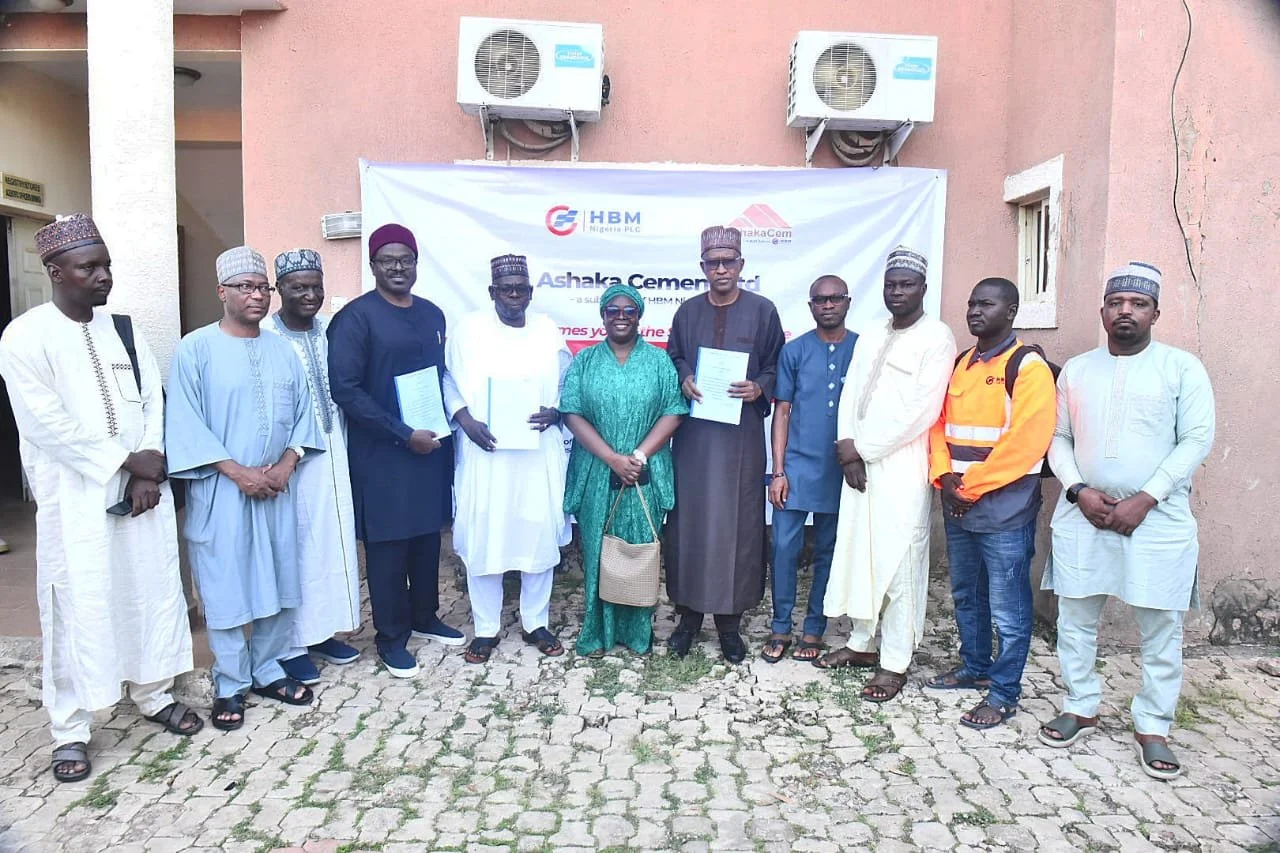
The agency is also supporting local manufacturing initiatives to strengthen Nigeria's renewable energy value chain while reducing dependence on imported solar components. A recently announced partnership to establish domestic solar manufacturing is expected to support job creation and increase the availability of off-grid energy solutions.
Housing Sector Faces Infrastructure Constraints
For Nigeria's housing sector, limited electricity access remains a significant obstacle to sustainable residential development.
Reliable power supply is a key component of modern housing estates, mixed-use developments and urban regeneration projects. In areas without dependable electricity, developers often incur higher construction and operational costs by providing alternative energy systems, including diesel generators and solar installations.
The electricity deficit also affects property values, housing affordability and the attractiveness of new residential developments, particularly in emerging urban centres where supporting infrastructure has not kept pace with population growth.
As demand for housing continues to increase, access to dependable electricity will remain a critical factor influencing investment decisions, mortgage uptake and long-term community development.
Renewable Energy to Support Housing Growth
The REA said decentralised energy solutions will play an increasingly important role in closing Nigeria's electricity access gap.
Mini-grids and standalone solar systems have become important alternatives for communities that remain underserved by the national grid. Beyond expanding electricity access, these systems can support housing estates, schools, healthcare facilities and commercial activities, particularly in rapidly growing peri-urban and rural areas.
The agency's strategy also aligns with broader efforts to increase renewable energy adoption while improving energy security and reducing reliance on conventional grid infrastructure.
Industry Implications
The REA's latest assessment reinforces the close relationship between infrastructure provision and housing delivery.
For developers, reliable electricity remains a key determinant of project viability, construction costs and buyer demand. Financial institutions also consider access to essential infrastructure when evaluating real estate investments, while homebuyers increasingly prioritise developments that offer dependable power solutions.
Expanding electricity access could therefore strengthen residential property markets, improve the performance of affordable housing projects and support more balanced urban growth across Nigeria.
Outlook
The REA's disclosure underscores the scale of Nigeria's electricity access challenge and the importance of sustained investment in power infrastructure. As the government expands decentralised renewable energy programmes and local manufacturing capacity, improved electricity access could enhance housing delivery, support real estate investment and contribute to more resilient urban development across the country.
READ MORE