Smart Meter
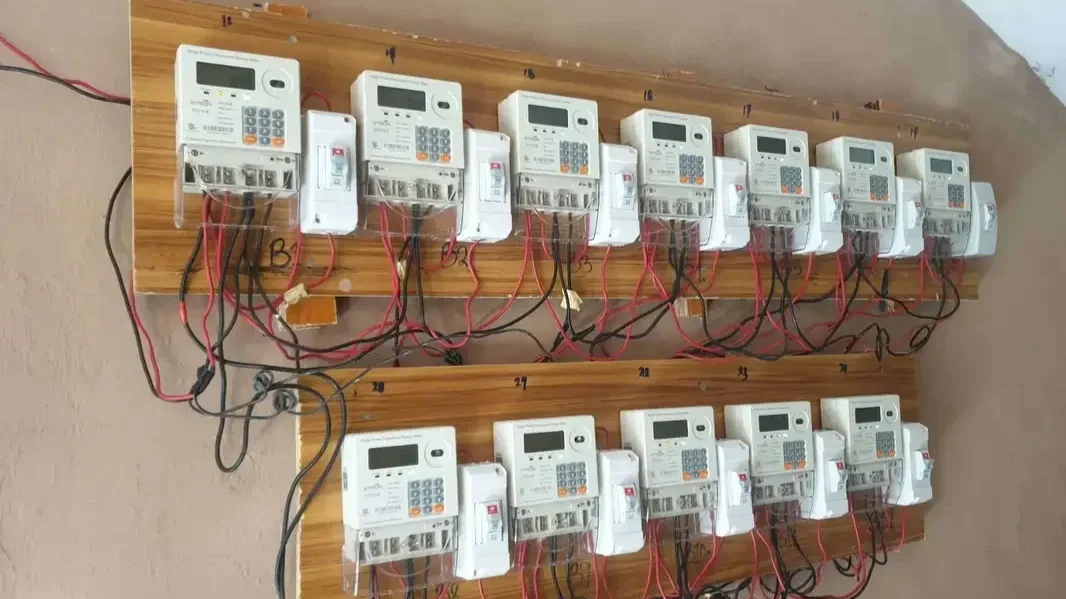
The Federal Government has commenced the training of the first 5,000 electricity meter installers under its Power Force Programme, a key component of the Presidential Metering Initiative (PMI), after receiving nearly 220,000 applications from young Nigerians. While the programme is primarily designed to accelerate the nationwide rollout of smart electricity meters, it also has significant implications for housing development by improving the quality and reliability of utility infrastructure serving residential communities.
/ You Might Also Like /




The three-week technical training programme was officially launched at the National Power Training Institute of Nigeria (NAPTIN) in Abuja. Successful participants will receive practical and classroom instruction before deployment as certified smart meter installers across the country.
Smart Meter Rollout Supports Housing Infrastructure
Although centred on electricity sector reform, the initiative addresses one of the key infrastructure challenges affecting housing estates and residential developments—access to reliable electricity metering.
The Federal Government said the programme will build a skilled workforce capable of supporting the accelerated deployment of smart meters as part of wider reforms to eliminate estimated billing, improve transparency and strengthen the financial sustainability of the electricity sector.
Improved electricity infrastructure is increasingly recognised as an essential component of modern housing delivery, particularly as developers seek to deliver integrated residential communities with reliable utility services.
220,000 Applications Reflect Strong Demand
According to the Presidential Metering Initiative, nearly 220,000 young Nigerians applied for the initial 5,000 training positions, highlighting strong interest in technical skills linked to infrastructure development and the energy sector.
Minister of Power Joseph Tegbe said the trainees would form the backbone of Nigeria's future smart metering workforce, while emphasising that electricity reforms depend not only on technology but also on developing skilled professionals capable of supporting nationwide deployment.
Following the Abuja phase, training will expand to centres across Nigeria's six geopolitical zones before participants are certified by the Nigerian Electricity Management Services Agency (NEMSA) and deployed nationwide.
Better Utility Services Could Benefit Residential Developments
For the housing sector, widespread smart meter deployment has the potential to improve utility management within residential estates by ensuring more accurate electricity billing and reducing disputes associated with estimated billing.
Reliable metering can also enhance the attractiveness of new housing developments, particularly mixed-use estates and affordable housing projects where predictable utility costs are important to homeowners and investors.
Developers increasingly view dependable electricity infrastructure as a critical factor influencing property values, occupancy rates and long-term estate management.
Infrastructure Investment Beyond Housing Construction
The initiative demonstrates that housing delivery depends not only on constructing homes but also on strengthening the infrastructure systems that support communities.
Investment in skilled technical personnel, electricity distribution and smart utility networks complements broader efforts to improve urban infrastructure and create more resilient cities.
As Nigeria expands residential construction to meet growing housing demand, supporting infrastructure including electricity, water, transport and digital connectivity will remain essential to sustainable urban development.
Outlook
The commencement of training for 5,000 smart meter installers marks another milestone in Nigeria's electricity reform programme and could deliver benefits beyond the power sector. By expanding technical capacity for smart meter deployment, the initiative has the potential to improve utility infrastructure supporting residential developments, enhance service delivery and strengthen investor confidence in new housing projects.
While the programme is primarily an energy sector initiative, its successful implementation could contribute to better-serviced housing estates, more efficient urban infrastructure and improved living standards as Nigeria continues to address its housing and infrastructure needs.
READ MORE