Jim Ovia: Real Estate Delivers Higher Returns Than Banking

Zenith Bank Founder Identifies Real Estate as High-Growth Investment Sector
Nigerian business leader and Zenith Bank founder, Jim Ovia, has described real estate as a more profitable venture than banking, pointing to the significant value created through strategic property investments over the years. His remarks offer fresh insight into the investment philosophy of one of Nigeria’s most successful entrepreneurs and highlight the growing importance of real estate as a wealth creation asset.
Speaking on the role of property investment in his business journey, Ovia noted that some of his most rewarding investments have come from real estate developments rather than traditional banking operations. His comments underscore the increasing attractiveness of property as an investment class in Nigeria and across Africa, particularly amid rising urbanisation and long-term demand for residential, commercial and mixed-use developments
/ You Might Also Like /



Real Estate as a Long-Term Wealth Builder
Ovia’s investment track record extends well beyond the banking sector. While he is widely recognised for establishing Zenith Bank and transforming it into one of Nigeria’s most valuable financial institutions, he has also developed significant interests in real estate, telecommunications and technology.
Among his most notable property investments is the transformation of previously underutilised waterfront land on Ozumba Mbadiwe in Lagos into premium commercial and hospitality assets. These developments include the Civic Centre, Civic Towers and hospitality properties that have become prominent landmarks within Lagos' commercial landscape. According to reports on his business portfolio, these real estate investments generated substantial value over time as surrounding infrastructure and commercial activity expanded.
The businessman argued that real estate offers unique advantages through capital appreciation, recurring income opportunities and long-term asset ownership, factors that can deliver significant returns when projects are carefully selected and professionally managed.
Growing Importance of Property Investment
Ovia’s comments come at a time when real estate continues to attract attention from investors seeking alternatives to traditional financial assets. Nigeria's housing deficit, rapid urban population growth and increasing demand for commercial space have strengthened the sector's long-term fundamentals.
Industry analysts note that real estate remains one of the country's largest economic sectors. Recent data show that Nigeria's real estate and construction industries generated a combined output of ₦77.52 trillion in 2025, reflecting the sector’s growing contribution to economic activity despite challenges such as inflation, financing constraints and rising construction costs.
For institutional investors, property assets often provide a hedge against inflation while offering opportunities for both income generation and capital growth. These characteristics have increased interest in residential developments, commercial office projects, logistics facilities and mixed-use urban developments.
Banking and Real Estate: Different Risk Profiles
While Ovia emphasised the profitability of real estate, industry experts note that banking and property investment operate under different business models and risk structures. Banking generates returns through financial intermediation, lending, transaction services and investment activities, while real estate profitability is largely influenced by location, asset quality, demand dynamics and long-term market appreciation.
Property investments typically require substantial upfront capital and longer investment horizons. However, successful developments can generate value over decades through rental income, asset appreciation and redevelopment opportunities.
Ovia’s experience demonstrates how entrepreneurs can diversify across multiple sectors while leveraging opportunities in both financial services and property development.
Implications for Nigeria’s Housing and Property Markets
The endorsement of real estate by one of Nigeria’s most prominent business figures is likely to reinforce investor interest in the sector. Property remains a critical component of wealth preservation strategies among high-net-worth individuals, institutional investors and pension funds.
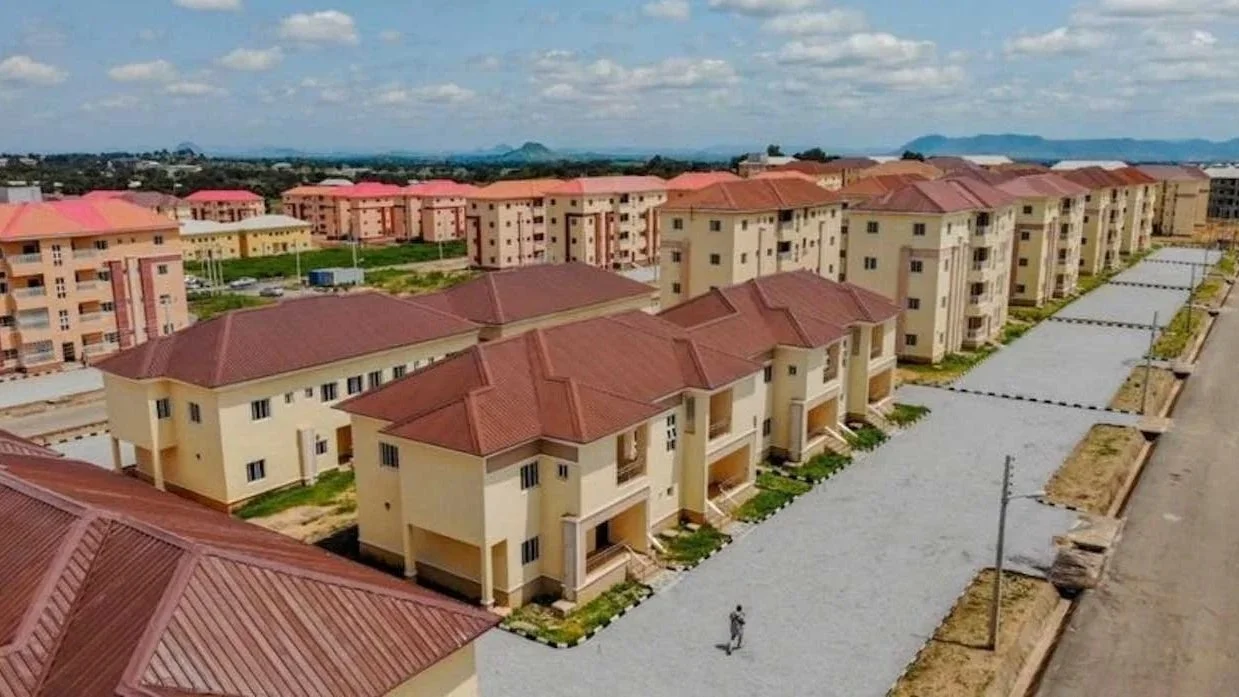
For the housing market, increased investment interest could support new residential developments, urban regeneration projects and infrastructure-linked real estate opportunities. However, experts caution that sustained growth will depend on addressing challenges such as access to financing, land administration bottlenecks, infrastructure deficits and affordability constraints.
The sector's long-term outlook remains closely tied to broader economic conditions, population growth and government policies aimed at improving housing supply and investment confidence.
Real Estate's Role in Economic Development
Beyond private investment returns, real estate plays a vital role in economic development through job creation, infrastructure expansion and urban transformation. Large-scale property developments often stimulate activity across construction, manufacturing, professional services and retail sectors.
As governments and private investors seek new avenues for economic growth, property development continues to emerge as a key driver of capital formation and urban development across Nigeria.
Industry stakeholders argue that unlocking the full potential of the sector will require stronger collaboration between public authorities, developers, financial institutions and investors to improve access to land, finance and supporting infrastructure.
Outlook
Jim Ovia’s assertion that real estate is more profitable than banking reflects the significant value that strategic property investments can generate over time. While both sectors remain important pillars of economic activity, his comments highlight the growing influence of real estate as a long-term investment asset capable of delivering substantial returns.
For investors, developers and policymakers, the statement serves as a reminder of the critical role that property development plays in wealth creation, urban growth and economic transformation. As demand for housing, commercial space and infrastructure-linked developments continues to expand, real estate is expected to remain a central component of Nigeria’s investment landscape.
READ MORE