FG Targets Real Estate Transparency with Developer Licensing and Buyer Escrow Accounts
The Federal Government has proposed a comprehensive regulatory framework for Nigeria's housing sector that would require property developers to obtain licences before selling homes and introduce regulated escrow accounts to protect homebuyers' funds.
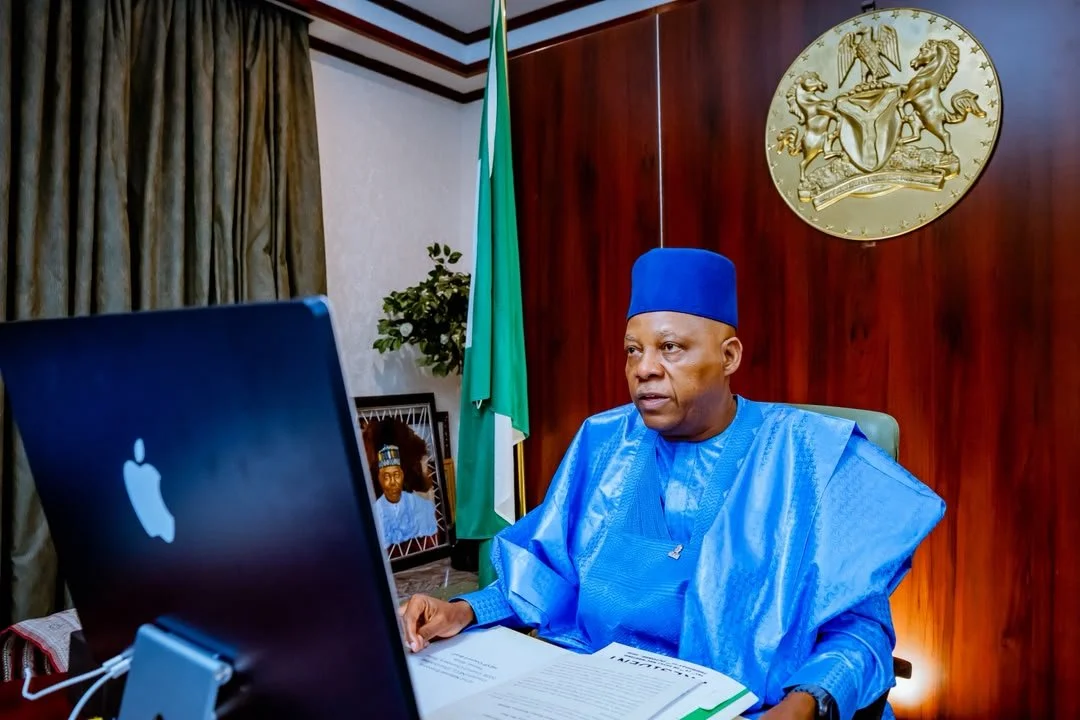
The proposed reforms, announced by the Minister of Housing and Urban Development, Engr. Muttaqha Rabe Darma, are designed to strengthen consumer protection, improve transparency, and restore confidence in Nigeria's real estate market. The measures were unveiled during the BusinessDay Abuja Real Estate Conference 2026 in Abuja.
/ You Might Also Like /




New Framework Targets Longstanding Market Challenges
According to the minister, the Ministry is finalising a National Housing and Built Environment Regulation Policy that will establish a more structured regulatory environment for the housing industry.
The proposed policy includes several key reforms, including:
Mandatory licensing for housing developers.
Regulated escrow accounts to safeguard homebuyers' payments.
Construction quality assurance measures.
Professional registration across the housing value chain.
Establishment of a National Housing Industry Data Observatory.
Land value capture and urban renewal initiatives.
Land readjustment programmes to improve urban planning.
The reforms aim to address persistent weaknesses that have exposed homebuyers to financial losses while improving accountability across the real estate sector.
Escrow Accounts to Protect Off-Plan Buyers
A major component of the proposal is the introduction of escrow accounts for off-plan housing transactions.
Under the proposed framework, developers would no longer be allowed to market or sell housing units off-plan without first obtaining the required licence and securing buyers' payments in regulated escrow accounts.
Escrow arrangements ensure that buyers' funds remain protected and are only released according to agreed project milestones or contractual conditions. The government believes this approach will reduce the risk of project abandonment, fraud, and misuse of subscriber funds that have affected many housing developments in Nigeria.
Licensing to Improve Industry Standards
The Federal Government also intends to introduce mandatory licensing for developers operating within the formal housing market.
According to the Minister, stronger oversight will improve professionalism, enforce minimum operational standards, and discourage unqualified operators from participating in residential development.
The proposal follows growing concerns over unregulated real estate activities, delayed housing projects, and increasing complaints from buyers who have suffered financial losses after investing in uncompleted developments. Similar recommendations have recently been advanced by industry stakeholders, including the Housing Development Advocacy Network (HDAN), which has consistently called for a comprehensive legal framework to regulate developers and property agents.
Building Confidence in the Housing Market
The Minister noted that Nigeria's real estate sector contributes approximately 13.36% of the country's Gross Domestic Product (GDP), making it one of the nation's largest economic sectors. However, he said the absence of a comprehensive regulatory framework continues to undermine investor confidence and expose homebuyers to avoidable risks.
He observed that many Nigerians continue to lose significant savings to unlicensed developers due to weak regulatory safeguards, adding that the proposed reforms are intended to align Nigeria's housing market with internationally recognised standards for transparency and consumer protection.
Broader Housing Reform Agenda
The proposed regulatory framework forms part of a broader housing reform programme currently being pursued by the Federal Ministry of Housing and Urban Development.
Other ongoing initiatives include:
The Land4Growth programme to improve land accessibility.
Digitisation of land administration through the electronic Certificate of Occupancy (e-C of O).
Expansion of national housing data systems.
Urban renewal and land readjustment programmes designed to improve housing delivery.
The Ministry expects these initiatives to improve housing market efficiency, strengthen institutional oversight, and create a more predictable investment environment for developers, lenders, and homebuyers.
Outlook
If implemented, the proposed developer licensing regime and escrow account system would represent one of Nigeria's most significant housing regulatory reforms in recent years. By introducing stronger oversight, protecting buyers' funds, and improving accountability in off-plan developments, the government aims to strengthen confidence in the property market while creating a more transparent and professionally regulated housing sector.
READ MORE