FG Targets 24 Month Completion for Carter Bridge Reconstruction in Lagos
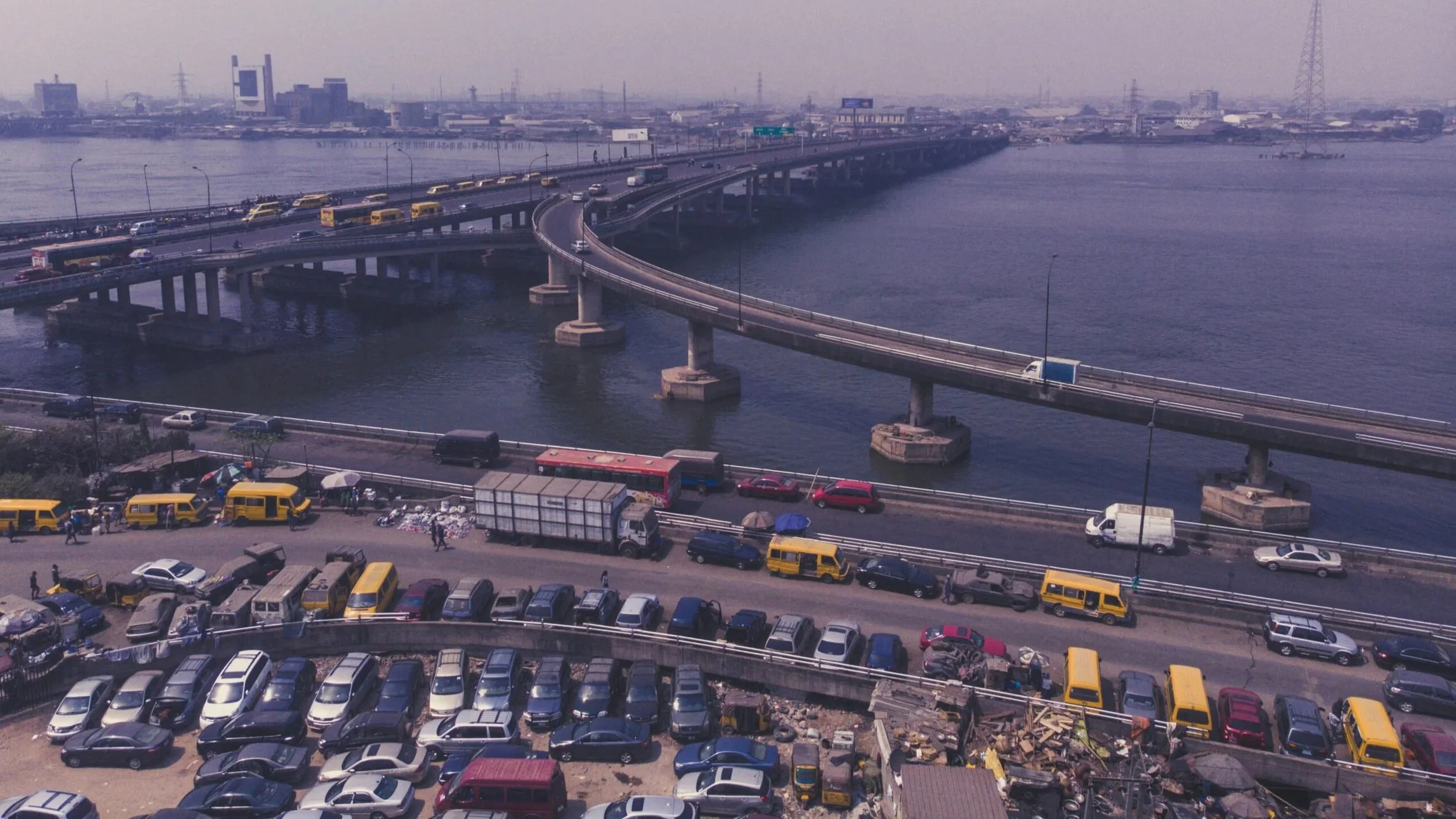
Carter Bridge reconstruction project in Lagos
The Federal Government has set a 24 month target for completing the reconstruction of Lagos’ 1.58-kilometre Carter Bridge, reducing the original 36 month construction timeline.
Minister of Works, Senator Dave Umahi, disclosed the revised timeline during an inspection of the Carter Bridge and Iddo Bridge reconstruction projects in Lagos. He said the government was accelerating the project because of the bridge’s importance to traffic movement across the city.
/ You Might Also Like /




Carter Bridge reconstruction timeline shortened
The decision to target completion within 24 months brings the project forward by one year from its initial schedule. The Federal Government also plans to maintain traffic movement across the existing bridge while reconstruction continues because of its strategic importance to Lagos’ transport network.
Umahi said a complete closure of Carter Bridge during construction would create significant disruption to movement across Lagos. The government will therefore combine reconstruction activities with continued maintenance of the existing structure until the replacement infrastructure is ready.
The minister also said the new design had been completed and includes additional engineering features intended to improve traffic flow and strengthen the bridge against future deterioration.
New design to include additional ramps and cable-stayed section
The redesigned Carter Bridge will feature additional ramps aimed at improving traffic distribution around the bridge approaches. The design will also place one carriageway above another in sections to help manage congestion.
A cable-stayed section will form part of the new structure, providing clearance for navigation. According to the Works Minister, the design will cover 105 spans and combine structural improvements with measures aimed at improving the bridge’s long-term functionality.
The reconstruction will also include gabions and other protective measures around the foundations to reduce the effects of erosion and scouring.
Structural deterioration drives reconstruction
According to Umahi, Carter Bridge has served Lagos for more than six decades and developed serious structural problems following years of inadequate maintenance.
The minister said an underwater survey found that several piles had detached from their pile caps, while rust had affected the piles. He also identified scouring and illegal sand mining as factors contributing to the deterioration of the structure.
The condition of the bridge highlights the infrastructure challenges facing major Nigerian cities, particularly where ageing transport assets carry significant volumes of daily traffic.
CCECC advances preparatory work
China Civil Engineering Construction Company (CCECC), the contractor handling the reconstruction, has completed about 15 per cent of the preparatory works, according to the Works Minister.
The completed activities include establishing the project yard and constructing access roads. Piling work is expected to commence shortly, marking the transition from preliminary activities to major structural construction.
The accelerated 24-month target will require careful construction sequencing, particularly because the government intends to keep traffic moving while the reconstruction takes place.
Iddo Bridge intervention also progresses
The inspection also covered the Iddo Bridge, where rehabilitation work is progressing alongside the Carter Bridge project.
Federal Controller of Works in Lagos, Olufemi Dare, said three failed spans spans 13, 14 and 15 had been replaced. He said the completed section had also been elevated to provide improved clearance underneath the bridge.
Dare said the completed section would be opened to traffic after the concrete cures, after which work would shift to another section of the bridge.
Drainage and Continuously Reinforced Concrete Pavement works on other parts of the Iddo Bridge project had reached about 90 per cent completion, with the intervention expected to be completed within two months, according to the Federal Controller.
Infrastructure implications for Lagos
The Carter Bridge reconstruction carries wider implications for Lagos because the bridge forms part of the city’s road and transport network. Maintaining connectivity during construction will be important for businesses, commuters and property markets around areas that depend on the bridge for access.
Improved bridge capacity and traffic management could strengthen connections between residential, commercial and industrial areas. However, the construction period could also create temporary traffic pressures, making effective traffic diversion and project coordination important.
For property investors and developers, reliable transport infrastructure remains a key factor in determining accessibility and the development potential of urban locations.
The project also highlights the importance of regular maintenance and structural monitoring. The deterioration experienced by Carter Bridge demonstrates how delayed maintenance can eventually require major reconstruction, increasing both the financial and logistical burden on government.
Government targets longer service life
Umahi said the Federal Government was applying similar intervention measures to the Third Mainland Bridge, with the objective of extending its service life by another 50 years.
He also expressed confidence that the reconstructed Carter Bridge could remain functional for more than 100 years, supported by the additional engineering and foundation protection measures incorporated into the new design.
Achieving that objective will ultimately depend on construction quality, effective environmental protection, regular inspections and sustained maintenance after completion.
Outlook
The Federal Government’s decision to reduce the Carter Bridge reconstruction timeline from 36 to 24 months puts pressure on the project to maintain construction momentum while keeping the existing bridge operational.
With preparatory works already underway and piling expected to begin shortly, the next major test will be the project’s ability to progress quickly without compromising safety, quality or traffic management.
For Lagos, successful delivery of the reconstruction would strengthen a critical transport connection and provide a major intervention in the city’s ageing bridge infrastructure.
READ MORE