FG, Civil Society Groups Advocate Climate-Friendly Housing Materials
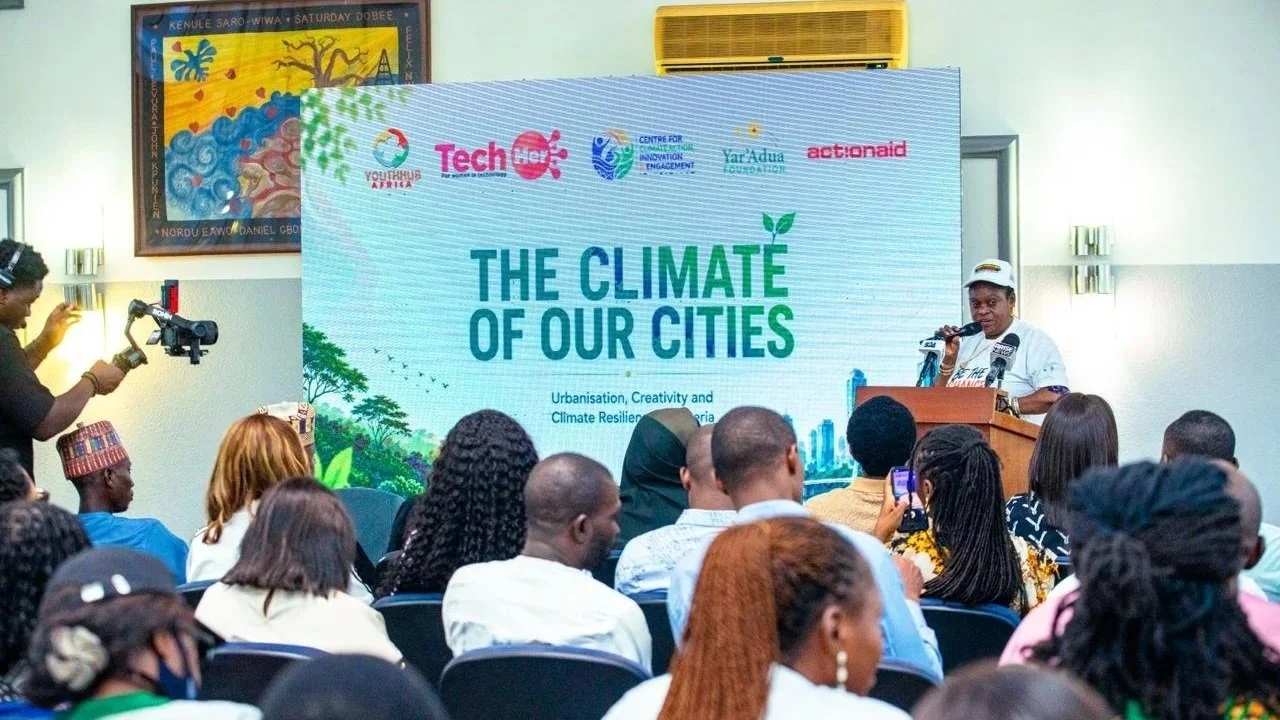
The Federal Government, in collaboration with civil society organisations and development partners, has intensified efforts to promote climate-friendly building materials as part of a broader strategy to improve environmental sustainability and strengthen resilience within Nigeria’s housing and construction sectors. The initiative seeks to encourage the adoption of sustainable construction practices capable of reducing carbon emissions, improving resource efficiency and supporting long-term housing development objectives.
/ You Might Also Like /




The move comes as policymakers and industry stakeholders increasingly recognise the role of the built environment in addressing climate change challenges. Construction activities account for a significant share of global greenhouse gas emissions, prompting growing interest in alternative materials and technologies that can reduce the environmental footprint of buildings while maintaining affordability and durability.
Push for Sustainable Construction Practices
According to stakeholders involved in the initiative, climate-friendly building materials offer an opportunity to reduce the environmental impact associated with conventional construction methods. These materials are designed to improve energy efficiency, minimise waste generation and lower carbon emissions throughout the building lifecycle.
Advocates argue that wider adoption of sustainable materials could help Nigeria meet its climate commitments while supporting efforts to address the country's housing deficit. The approach aligns with global trends encouraging the use of environmentally responsible materials in residential, commercial and public infrastructure projects.
Industry experts note that integrating sustainable materials into construction projects can also improve building performance by enhancing insulation, reducing energy consumption and increasing resilience to extreme weather conditions.
Housing Sector Seen as Key Beneficiary
The initiative has significant implications for Nigeria's housing sector, which continues to face challenges related to affordability, rapid urbanisation and infrastructure demand.
Housing stakeholders believe that innovation in building materials could help lower construction costs over time while improving the quality and sustainability of housing developments. The Federal Government has previously highlighted the importance of embracing innovative construction technologies to accelerate housing delivery and make homeownership more accessible to low- and middle-income households.
As urban populations continue to expand, the demand for affordable and environmentally sustainable housing solutions is expected to increase. Policymakers view climate-friendly construction materials as one of several tools that could support future housing development while reducing environmental pressures.
Environmental and Economic Benefits
Supporters of the initiative point to both environmental and economic advantages associated with sustainable construction practices.
Environmentally, climate-friendly materials can help reduce carbon emissions, limit resource depletion and decrease the volume of waste generated during construction. Such benefits align with broader efforts to improve environmental management and climate resilience across Nigerian cities.
From an economic perspective, the development of local industries producing sustainable building materials could create employment opportunities, encourage investment and reduce dependence on imported construction products. Industry stakeholders argue that strengthening domestic manufacturing capacity would support economic growth while improving supply chain resilience.
The growth of a local green building materials industry could also contribute to lower construction costs over the long term by expanding the availability of innovative alternatives to conventional materials.
Alignment With National Housing Objectives
The promotion of climate-friendly building materials aligns with ongoing efforts to modernise Nigeria's construction sector and improve housing delivery outcomes.
The Federal Ministry of Housing and Urban Development has consistently emphasised the need for innovative technologies capable of addressing affordability challenges and accelerating housing construction. Officials have argued that traditional building methods alone may not be sufficient to meet the scale of housing demand facing the country.
The government has also expressed support for partnerships involving the private sector, research institutions and development organisations to advance sustainable construction solutions and strengthen local manufacturing capacity.
Growing Global Focus on Green Buildings
The initiative reflects a broader international shift towards sustainable construction and green building practices. Governments and industry organisations worldwide are increasingly encouraging the use of low-carbon materials, energy-efficient designs and environmentally responsible construction methods.
Green buildings are widely recognised for their potential to reduce operating costs, improve environmental performance and contribute to climate adaptation goals. Many countries have introduced policies and incentives aimed at accelerating the adoption of sustainable building technologies.
For Nigeria, stakeholders argue that embracing these trends could enhance the competitiveness of the construction industry while supporting national climate and development objectives.
Outlook
The Federal Government's partnership with civil society organisations and other stakeholders to promote climate-friendly building materials signals a growing commitment to sustainable housing and environmentally responsible construction practices. As Nigeria seeks to address its housing deficit while advancing climate resilience, innovative building materials are expected to play an increasingly important role in shaping the future of the country's built environment.
For developers, investors and policymakers, the initiative highlights the importance of balancing housing delivery objectives with environmental sustainability. Continued collaboration, investment and innovation will be critical to expanding the adoption of climate-friendly construction solutions and supporting long-term growth within Nigeria's housing sector.
READ MORE