Illegal Dredging Under Fresh Scrutiny as Lagos Battles Coastal Erosion
The Lagos State Government has announced stronger measures to tackle illegal dredging and coastal erosion across its 187-kilometre coastline, as authorities move to protect waterfront communities, critical infrastructure and the state's fragile coastal ecosystem. The initiative combines stricter monitoring, community engagement and science-based interventions aimed at addressing environmental degradation linked to unregulated dredging activities.
/ You Might Also Like /




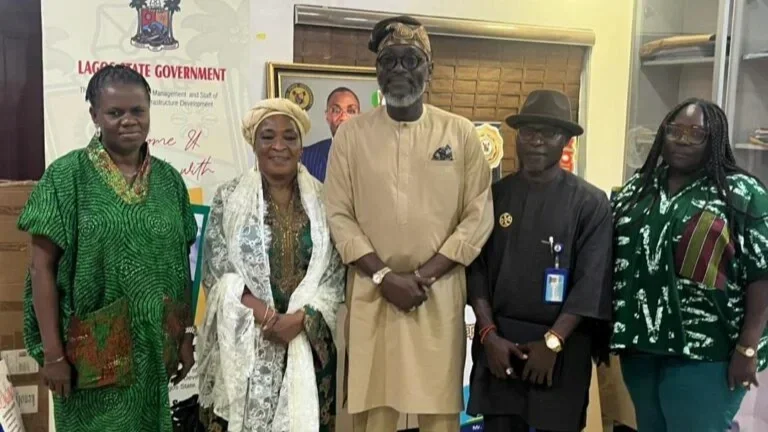
The announcement was made by the Commissioner for Waterfront Infrastructure Development, Ekundayo Bush-Alebiosu, who said the government is working closely with relevant agencies and stakeholders to safeguard Lagos' coastline while supporting sustainable development. According to the commissioner, illegal dredging remains one of the most significant threats facing coastal communities, fisheries and waterfront infrastructure across the state.
Government Strengthens Monitoring and Enforcement
The state government said it has intensified surveillance operations to identify and curb illegal dredging activities occurring along Lagos waterways and coastal areas. Officials argue that stronger enforcement is necessary to prevent environmental damage and reduce the risks posed to communities that depend on coastal resources for their livelihoods.
Bush-Alebiosu noted that some illegal dredging activities receive support or protection from local actors, making enforcement more challenging. He stressed the importance of community participation in reporting violations and supporting government efforts to preserve coastal environments. The state plans to expand awareness campaigns aimed at educating residents on the environmental and economic consequences of illegal dredging.
According to the commissioner, community engagement will remain a key component of the government's strategy, as local residents often possess valuable information that can assist authorities in identifying unlawful operations.
Coastal Erosion Poses Growing Environmental Risk
The crackdown comes amid increasing concerns about coastal erosion and environmental degradation along Lagos' shoreline. Environmental experts have warned that unregulated dredging can accelerate shoreline erosion, damage aquatic ecosystems and increase the vulnerability of coastal communities to flooding and storm surges.
Research cited by environmental organisations indicates that excessive dredging disrupts seabed stability, increases water turbidity and damages fish breeding habitats. Fishing communities across Lagos have reported declining fish populations, forcing many fishermen to travel farther offshore and incur higher operating costs.
Environmental advocates also warn that the destruction of wetlands and natural coastal buffers can weaken Lagos' resilience against flooding and rising sea levels, creating long-term risks for both residents and infrastructure.
Science-Based Approach to Shoreline Protection
To improve coastal management, the Lagos State Government has engaged Dutch consultancy firm CDR International to conduct studies that will guide future shoreline protection projects. Officials say the research will help identify the specific causes of erosion in different coastal locations and support the development of targeted solutions.
According to the commissioner, understanding the underlying drivers of erosion is essential before implementing large-scale interventions. The state is currently completing a pre-feasibility assessment that will provide data for future coastal protection investments.
Experts argue that evidence-based planning is particularly important in Lagos, where rapid urbanisation, land reclamation projects and increasing demand for construction materials continue to place pressure on coastal environments.
Implications for Housing and Urban Development
The issue carries significant relevance for Nigeria's housing and real estate sectors. Lagos remains one of Africa's fastest-growing cities, with ongoing demand for residential developments, commercial properties and infrastructure projects driving the need for construction materials, including sand used in building activities.
However, urban development experts increasingly argue that growth must be balanced with environmental sustainability. Illegal dredging can undermine waterfront developments, increase flood risks and threaten long-term property values in coastal communities. The challenge is particularly important as Lagos continues major infrastructure projects and coastal expansion initiatives.
Stakeholders note that sustainable resource management will be critical to ensuring that future housing and infrastructure development does not compromise environmental resilience.
Economic Impact on Coastal Communities
Beyond environmental concerns, illegal dredging has direct economic consequences for coastal communities. Government officials and environmental experts say dredging activities can affect fisheries by disturbing marine habitats and driving fish populations away from traditional fishing grounds.
As fish stocks decline, fishermen often face higher fuel costs and longer travel times, while consumers may experience higher food prices due to reduced supply. The Lagos government has highlighted these impacts as part of its justification for stronger enforcement measures.
The state believes that protecting coastal ecosystems will help preserve livelihoods while supporting broader economic sustainability objectives.
Outlook
Lagos' renewed campaign against illegal dredging reflects growing recognition of the environmental and economic risks associated with unregulated coastal activities. By combining stricter enforcement, community participation and scientific research, the state aims to protect its coastline while supporting sustainable urban development.
For housing developers, investors and policymakers, the initiative underscores the increasing importance of environmental management in shaping the future of Lagos' waterfronts. As coastal pressures intensify due to urban growth and climate-related challenges, sustainable shoreline protection is likely to become an even more critical component of the state's long-term development strategy.
READ MORE