Oil Producers Increase July Output Targets by 188,000 Barrels Per Day
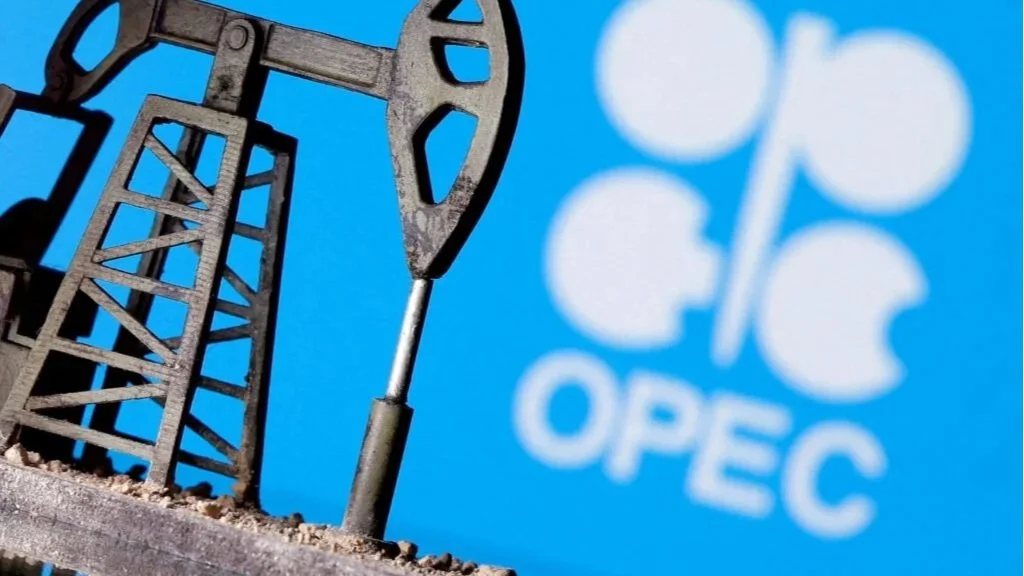
OPEC+ has agreed to increase its collective oil production target by 188,000 barrels per day (bpd) from July 2026, marking the fourth consecutive monthly output increase by the producer alliance. The decision comes amid ongoing disruptions to global energy supply chains and heightened uncertainty in international oil markets. According to OPEC+, the adjustment is intended to support market stability while allowing participating countries to gradually restore previously curtailed production.
/ You Might Also Like /




The production increase was approved during a virtual meeting involving key OPEC+ members, including Saudi Arabia, Russia, Iraq, Kuwait, Algeria, Kazakhstan and Oman. The group maintained that it would continue to monitor market conditions closely and retain the flexibility to pause, reverse or accelerate future output adjustments depending on developments in the global energy market.
Fourth Consecutive Monthly Increase
The July increase follows similar production adjustments announced in recent months as OPEC+ continues to unwind voluntary output cuts introduced in 2023. The latest increase matches the revised June adjustment of 188,000 bpd and reflects the alliance's gradual approach to restoring production volumes.
OPEC+ has stated that the phased increases form part of previously agreed production management measures designed to balance supply and demand while maintaining market stability. The organisation also reaffirmed its commitment to monitoring compliance among member countries and ensuring adherence to agreed production targets.
Supply Challenges Continue to Weigh on Markets
Despite the increase in production quotas, analysts caution that the additional barrels may have limited immediate impact on global oil supply. Ongoing disruptions affecting major export routes have constrained the ability of several producers to deliver increased volumes to international markets.
Market analysts note that supply concerns remain elevated due to continued disruptions affecting the Strait of Hormuz, one of the world's most important oil transit corridors. The situation has complicated efforts by some producers to fully meet customer demand despite higher production targets.
According to Reuters, actual OPEC+ production levels have remained below target levels in recent months as logistical challenges and geopolitical tensions continue to affect exports from key producing regions.
Oil Prices Remain Sensitive to Geopolitical Risks
The decision comes at a time when oil markets remain highly sensitive to geopolitical developments. Recent tensions in the Middle East have contributed to supply concerns and increased price volatility across global energy markets.
While additional production quotas could help improve supply availability over time, analysts argue that physical export constraints remain a more significant factor in determining near-term market conditions. Several industry observers have described the latest quota increase as largely symbolic unless logistical bottlenecks affecting exports are resolved.
The organisation acknowledged these uncertainties and reiterated its commitment to maintaining a cautious approach to future production decisions. OPEC+ ministers are expected to review market conditions again at their next scheduled meeting in July.
Implications for Nigeria and Oil-Producing Economies
For oil-producing economies such as Nigeria, OPEC+ production decisions remain closely watched due to their influence on crude oil prices, export revenues and government finances. Higher global oil prices can strengthen export earnings and fiscal revenues, while sustained supply disruptions may contribute to market volatility.
Nigeria continues to rely heavily on crude oil exports as a major source of foreign exchange and public revenue. Developments within OPEC+ therefore have significant implications for economic planning, investment decisions and broader energy sector performance.
Industry stakeholders will be monitoring whether the latest production increase translates into higher physical supply or whether ongoing logistical constraints continue to limit market impact.
Outlook
OPEC+'s decision to raise July oil output by 188,000 barrels per day underscores the alliance's commitment to gradually restoring production while supporting market stability. However, persistent supply disruptions and geopolitical risks continue to cloud the outlook for global energy markets.
As oil producers balance production targets against evolving market conditions, investors, policymakers and energy market participants will closely monitor future OPEC+ decisions and developments affecting global crude supply. The effectiveness of the latest output increase will ultimately depend on whether producers can translate higher quotas into actual exports amid continuing logistical and geopolitical challenges.
READ MORE