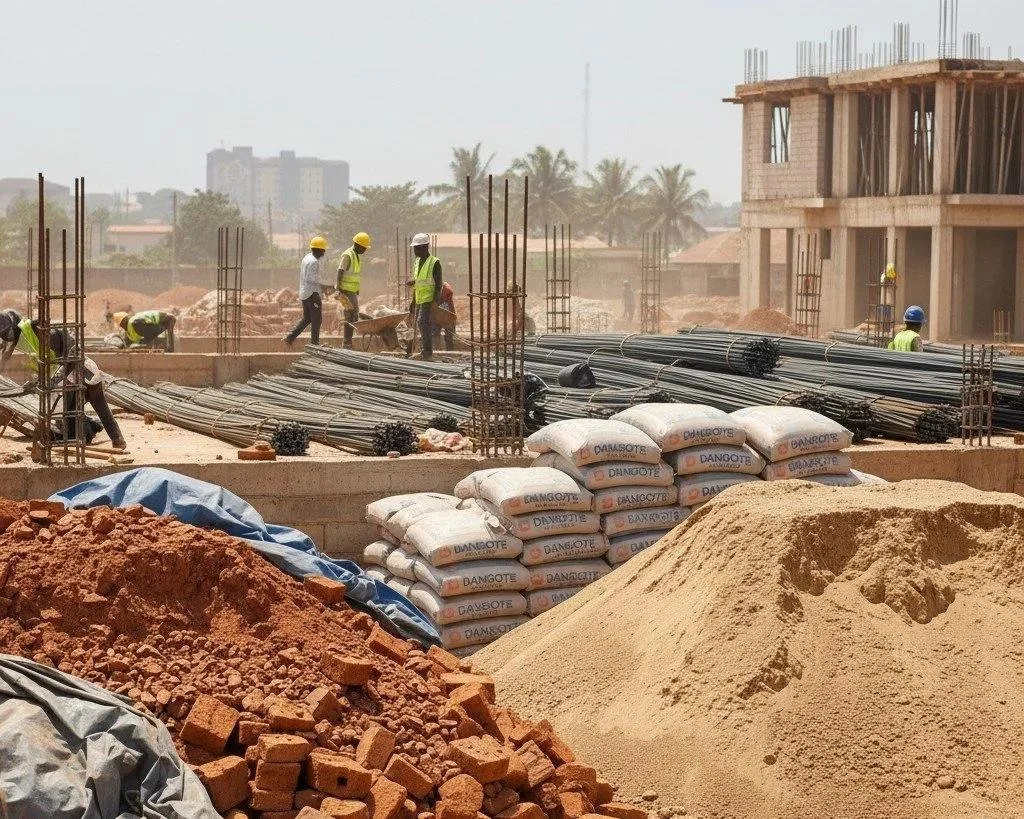
Nigeria Records 650 Building Collapses Since 1974 as FG Pushes Tougher Regulation
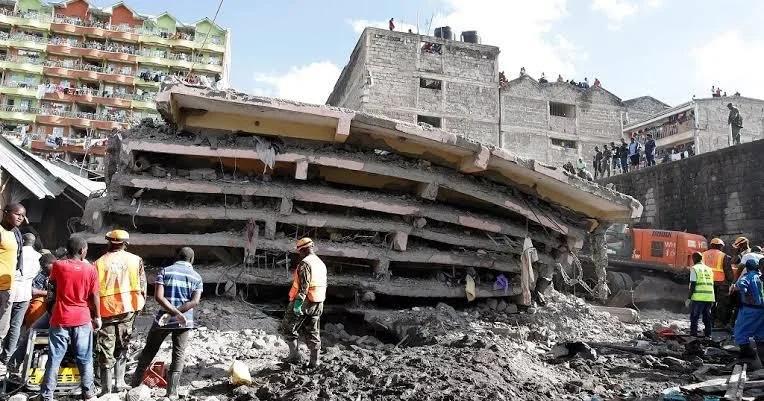
Nigeria's Building Collapse Crisis Spurs Fresh Housing Regulatory Reforms
Nigeria has recorded more than 650 building collapse incidents and over 1,600 fatalities since 1974, according to the Federal Government, highlighting the urgent need for stronger regulation across the country's housing and construction sectors.
/ You Might Also Like /


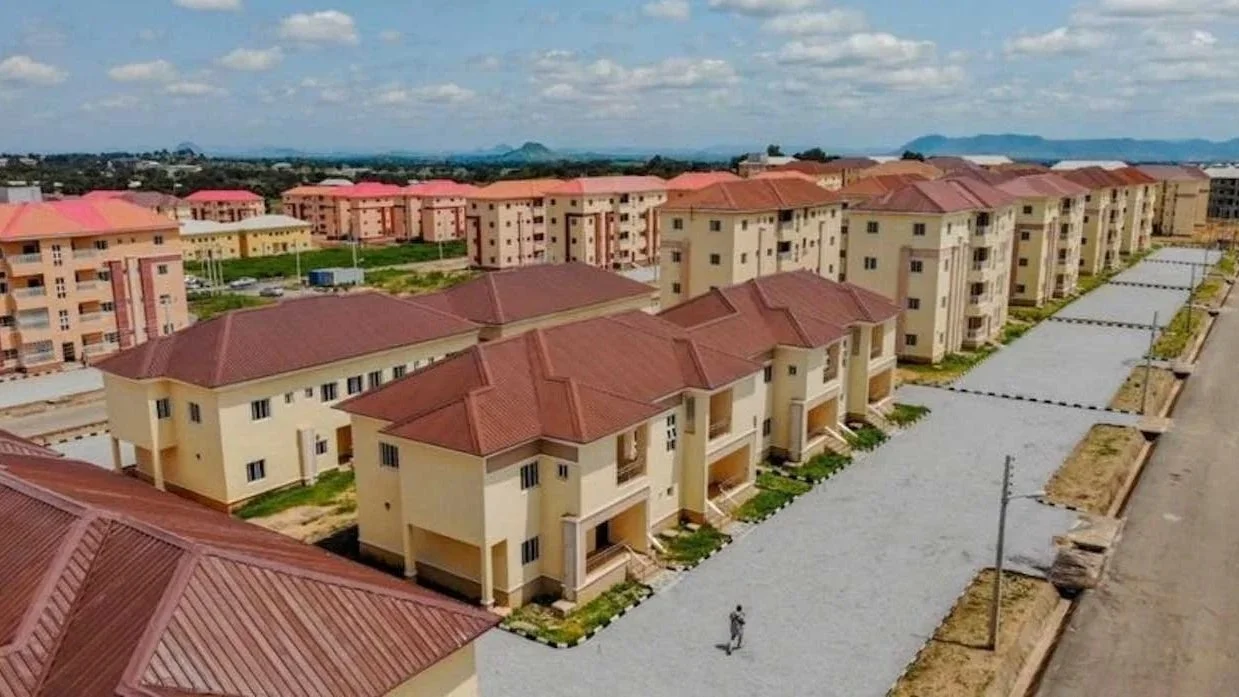

Minister of Housing and Urban Development, Dr. Yusuf Abdullahi Ata, disclosed the figures during a stakeholders' validation workshop on the proposed National Housing and Built Environment Regulation Policy and National Mortgage Industry Policy in Abuja. He described the statistics as a stark reminder of the consequences of weak regulatory oversight and poor compliance with construction standards.
Stronger Regulation Takes Centre Stage
The minister said many of the collapse incidents resulted from inadequate enforcement of building regulations, the use of substandard materials, poor workmanship and the activities of unqualified practitioners.
According to him, the proposed housing policy seeks to establish clearer standards for housing delivery, strengthen professional accountability and improve regulatory oversight across the built environment.
He urged stakeholders to support the reforms, noting that a robust regulatory framework is essential to improving housing quality and safeguarding lives and investments.
Housing Reforms Aim to Restore Confidence
The proposed National Housing and Built Environment Regulation Policy forms part of broader efforts to modernise Nigeria's housing sector.
The reforms are expected to strengthen developer oversight, improve compliance with building standards, enhance consumer protection and support a more transparent housing market.
Alongside the housing regulation policy, the proposed National Mortgage Industry Policy aims to improve mortgage administration and expand access to housing finance.
Implications for the Housing Market
For developers, investors and homebuyers, stronger regulation could improve confidence in Nigeria's real estate market by promoting safer construction practices and reducing the incidence of building failures.
Industry experts have consistently argued that improved enforcement of building codes, professional licensing and quality assurance will help protect property investments while encouraging sustainable urban development.
As demand for housing continues to grow, effective regulation will be critical to ensuring that new developments meet acceptable safety, structural and environmental standards.
READ MORE