Housing Strategy Could Drive Nigeria's Journey to a $1 Trillion Economy - Experts

Nigeria's Housing Sector Holds the Key to a $1 Trillion Economy
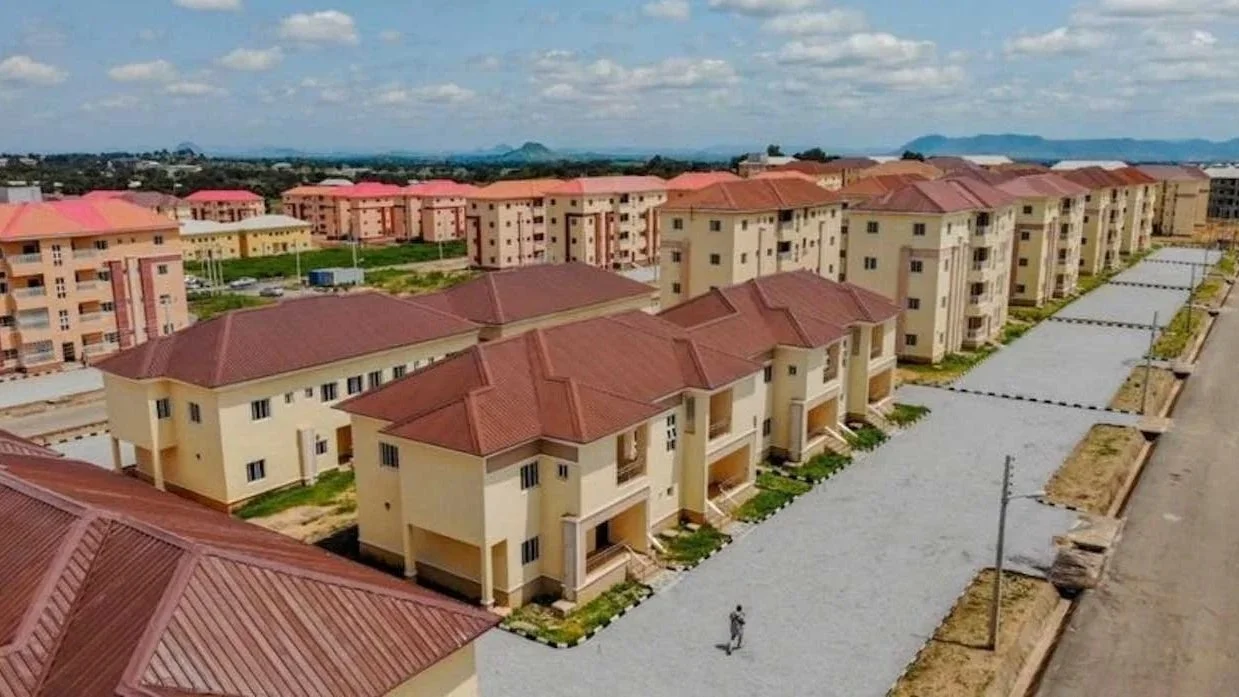
Nigeria's ambition to become a $1 trillion economy could depend significantly on how it addresses its housing deficit, with experts arguing that housing should be treated as a strategic economic development tool rather than solely a social welfare intervention With an estimated housing shortfall of around 20 million units, the debate is shifting from how many homes should be built to how housing investment can stimulate industrialisation, create employment and expand Nigeria's productive capacity.
/ You Might Also Like /



Housing as an Engine of Economic Growth
According to industry experts, countries that achieved rapid economic transformation used housing to stimulate domestic manufacturing, infrastructure development and wealth creation.
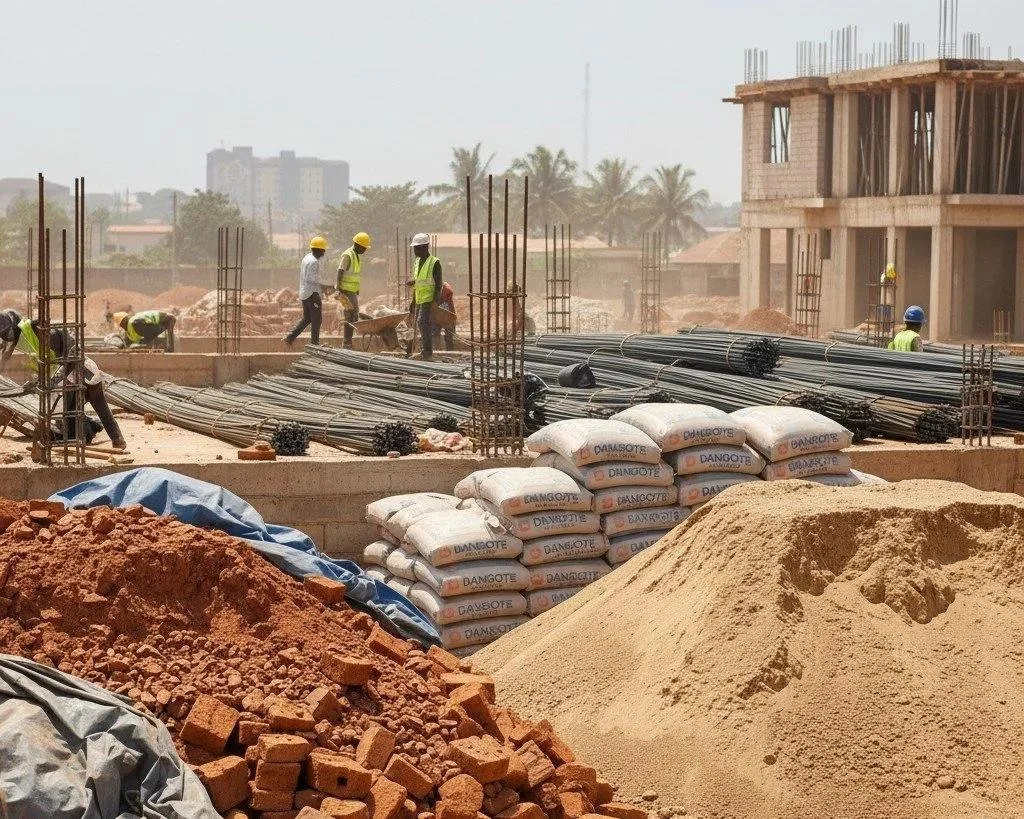
They argue that Nigeria has a similar opportunity by ensuring housing policies encourage local production of building materials, strengthen indigenous developers, promote skills development and increase participation across the construction value chain rather than relying heavily on imported inputs.
The discussion comes amid growing interest in attracting foreign investment into Nigeria's housing sector, including proposals involving international developers. While such investments are welcomed, experts maintain that partnerships should prioritise technology transfer, local content development and long-term industrial capacity alongside housing delivery.
Beyond Building Homes
Analysts note that the housing sector has strong multiplier effects across the economy, supporting industries such as cement, steel, ceramics, glass, furniture, electrical equipment, logistics and financial services.
A coordinated housing strategy could therefore generate millions of jobs, increase tax revenues, expand mortgage lending and strengthen small and medium-sized enterprises involved in the built environment.
Implications for Nigeria's Housing Market
For Nigeria's housing industry, the message is clear: solving the housing deficit should be viewed not only as a social priority but also as an economic strategy.
Policies that improve access to affordable housing finance, encourage private sector participation, support domestic manufacturing and strengthen mortgage systems could accelerate housing delivery while contributing to broader national development objectives. Such an approach would position housing as a cornerstone of economic growth, helping to expand productive capacity and support Nigeria's long-term ambition of building a $1 trillion economy.
READ MORE