Federal Government Invests ₦1 Trillion in Universities, Polytechnics and Colleges
The Federal Government says it has invested more than ₦1 trillion in Nigeria's tertiary education sector over the past two years, funding infrastructure upgrades, specialised training facilities and institutional capacity-building to improve access to higher education and strengthen workforce development. The announcement was made by the Minister of Education, Dr Tunji Alausa, during a meeting with members of the National Committee for the Advancement of Occupational Therapy, Audiology and Speech and Language Therapy Education in Abuja.
/ You Might Also Like /




According to Alausa, the investments are part of the Tinubu administration's education reform agenda aimed at removing financial barriers to higher education while modernising universities, polytechnics and colleges of education. He said the government is prioritising human capital development to equip graduates with the skills required to drive economic growth and national competitiveness.
Major investments target infrastructure and learning facilities
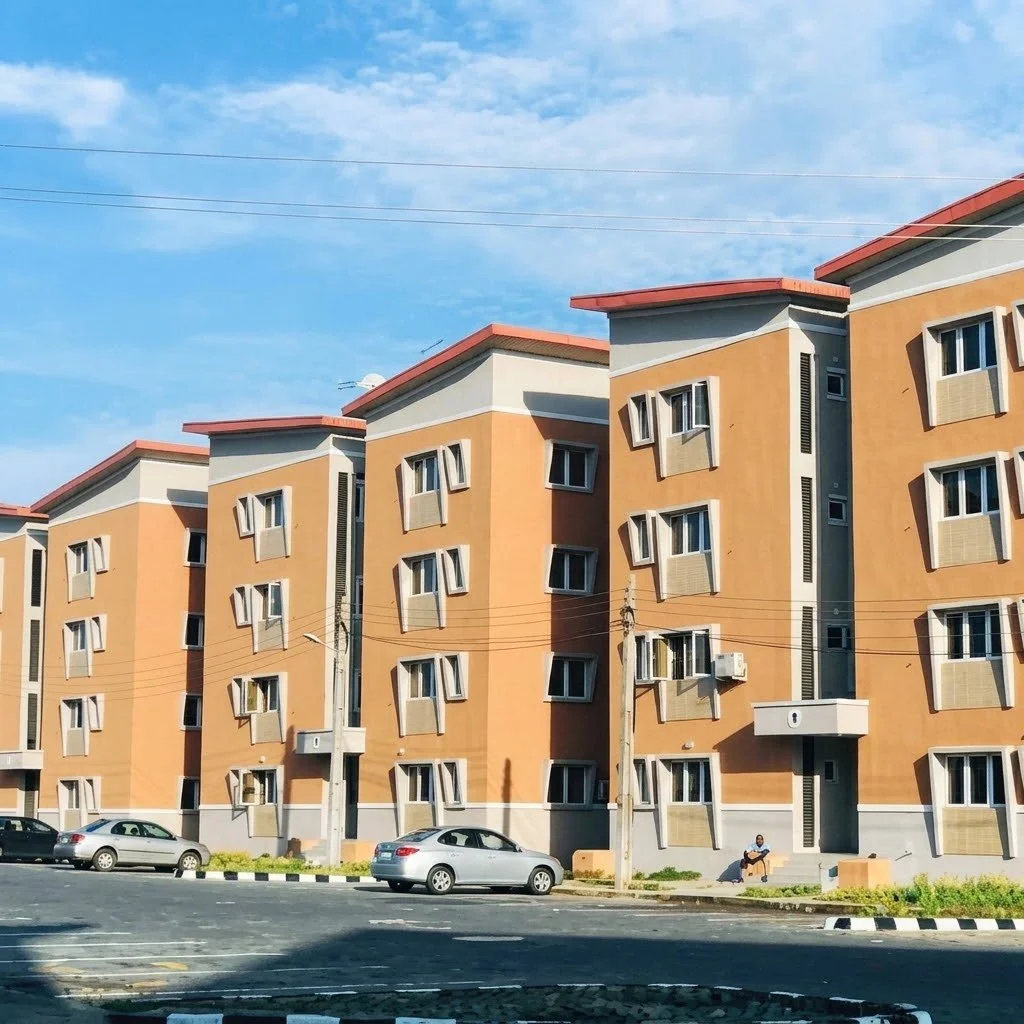
The minister outlined several major interventions financed under the programme, including ₦250 billion for the construction of new student hostels across tertiary institutions to improve accommodation capacity and campus welfare. More than ₦150 billion has also been invested in rehabilitating hostels, classrooms, engineering workshops and other academic facilities to enhance teaching, learning and research.
In the health education sector, Alausa disclosed that over ₦130 billion has been committed to rehabilitating medical schools nationwide. The government has also approved ₦52 billion for modern equipment in 18 medical schools, while nearly ₦30 billion is being used to establish 11 medical simulation laboratories to strengthen practical clinical training.
The minister further revealed that almost ₦110 billion has been invested in engineering workshops and modern equipment for federal universities of technology, conventional universities offering engineering programmes and polytechnics. The intervention is intended to improve practical training and produce graduates with stronger technical and innovation capabilities.
Government aims to remove financial barriers
Alausa said the administration is committed to ensuring that no qualified Nigerian is denied access to tertiary education because of financial hardship. He noted that alongside infrastructure investments, the government is implementing measures to expand educational opportunities and strengthen institutional capacity across the country.
The minister described the investment programme as one of the largest interventions in Nigeria's tertiary education system, covering new construction, rehabilitation projects, equipment procurement and the expansion of specialised laboratories and workshops.
Economic implications
The Federal Government views education as a strategic investment in human capital that can support industrialisation, innovation and long-term economic growth. By improving infrastructure and expanding access to higher education, the reforms are expected to produce a more skilled workforce capable of meeting the needs of key sectors, including healthcare, engineering, manufacturing and technology.
Although the investment is focused on education, improved human capital also has broader implications for housing, infrastructure and urban development. A larger pool of skilled professionals can support the delivery of construction projects, engineering services and public infrastructure needed to sustain Nigeria's growing cities and housing market.
Outlook
The Federal Government's investment of more than ₦1 trillion marks a significant expansion of funding for Nigeria's tertiary education sector. As universities and other institutions continue to upgrade facilities and increase training capacity, the effectiveness of the programme will be measured by improvements in educational outcomes, graduate employability and the availability of skilled professionals to support the country's long-term economic development.
READ MORE