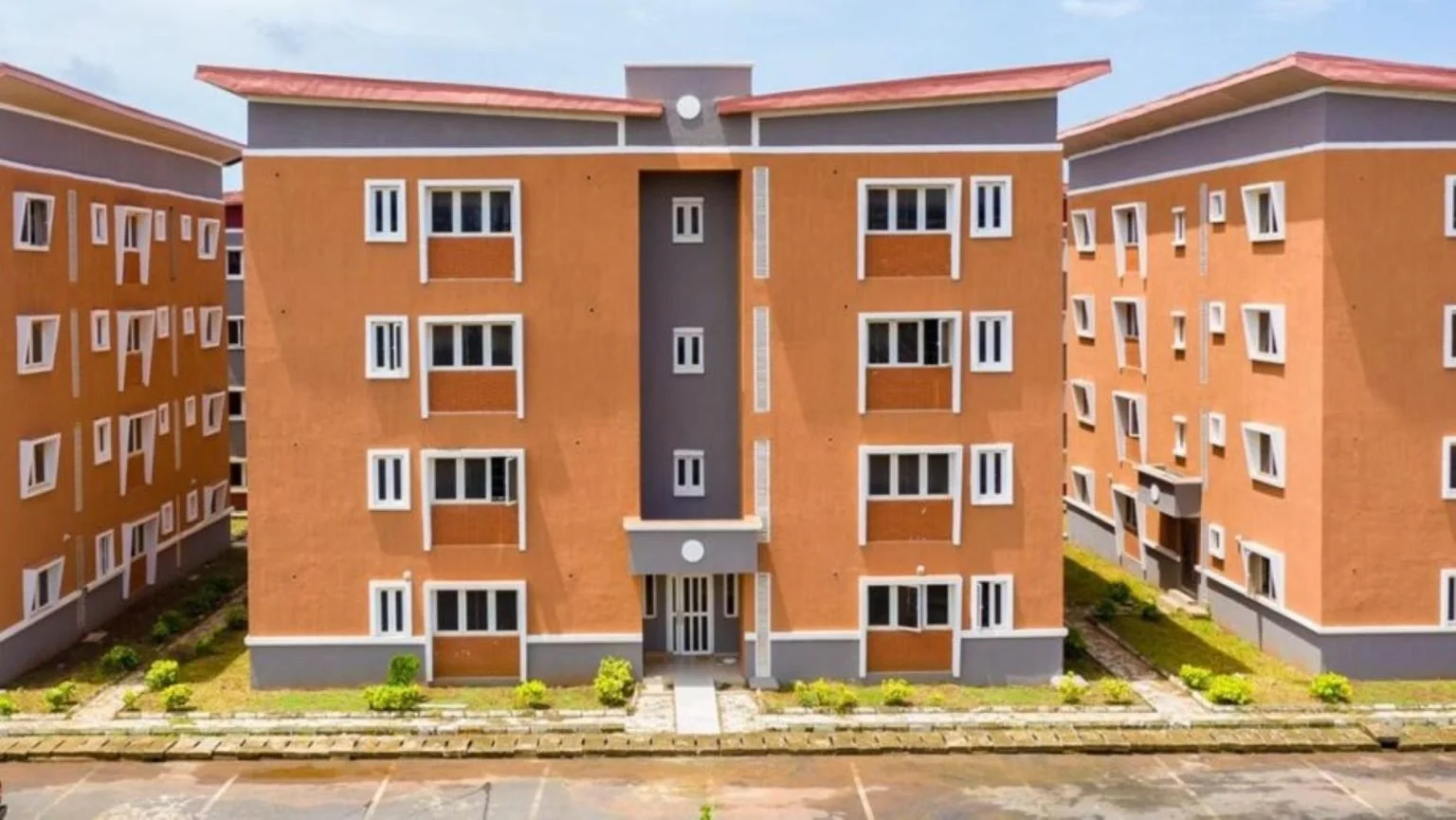
Rising material costs put pressure on developers
Rising building material costs are putting increasing pressure on the viability of real estate projects in Nigeria, forcing developers to reassess project budgets, pricing and construction strategies as the cost of delivering new housing continues to rise.
/ You Might Also Like /




The pressure is affecting one of the most important components of the property market: the ability of developers to deliver homes at prices that buyers and tenants can afford.
For developers, higher material costs do not operate in isolation. They interact with expensive finance, land acquisition costs, labour, energy, logistics and other development expenses, making project feasibility increasingly difficult to maintain.
Higher Costs Are Changing Project Economics
Building materials account for a substantial share of total construction expenditure, meaning significant movements in the prices of cement, steel, roofing materials, fittings, tiles, glass and other inputs can quickly alter the economics of a project.
When costs rise after a development has been planned or launched, developers face difficult choices.
They can absorb some of the additional expenditure, revise the specifications, delay construction or increase selling prices. Each option carries consequences for the project's profitability and marketability.
For projects targeted at middle- and lower-income buyers, the room to increase prices is particularly limited because affordability already represents one of the biggest constraints on effective housing demand.
Developers Face a Difficult Pricing Balance
Increasing property prices may allow developers to protect margins, but it can also reduce the number of potential buyers.
This creates a difficult balance between recovering construction expenditure and maintaining sufficient demand to sell completed units.
Where developers cannot pass the full increase in construction costs to buyers, profit margins can narrow significantly. Projects that were financially viable when initially designed may therefore require new cost assumptions before construction can proceed.
The consequences can extend beyond individual developments. If more projects are postponed, redesigned or abandoned because their economics no longer work, the volume of new housing entering the market could decline.
Construction Costs Continue to Affect Housing Affordability
The pressure on developers ultimately feeds into the wider housing affordability problem.
Nigeria already faces a significant gap between the cost of formal housing and the purchasing power of many households. Higher construction expenses make it more difficult for developers to produce units within affordable price ranges.
Developers may consequently concentrate on higher-value properties where buyers have greater purchasing power and where increased construction costs can be more easily reflected in selling prices.
That can further reduce the supply of formally developed housing available to lower- and middle-income households.
Imported Inputs Add to Development Risks
Nigeria's dependence on imported materials and components for parts of the construction value chain also exposes developers to exchange-rate movements and international supply conditions.
Currency volatility can increase the naira cost of imported products and equipment, while higher transportation and energy expenses can raise the domestic cost of locally produced materials.
This makes construction budgets more vulnerable to changes occurring after a project has already secured land, financing or buyers.
For developers, accurate cost forecasting and contingency planning have therefore become increasingly important in determining whether projects can remain financially viable through completion.
Financing Pressure Compounds Material Costs
Higher construction costs become even more challenging when developers rely on borrowed funds.
A project with a larger construction budget requires more financing, while higher interest costs increase the amount developers must eventually recover through property sales or rental income.
This can lengthen the period required to achieve acceptable returns and increase the financial risk associated with construction delays.
For smaller developers in particular, limited access to affordable long-term finance can make it difficult to absorb unexpected increases in material prices.
Housing Supply Could Come Under Further Pressure
The implications extend beyond individual developers to Nigeria's broader housing supply.
When development costs rise faster than household incomes, fewer projects meet the financial requirements needed to proceed. Developers may reduce the size of projects, delay construction or redirect investment towards locations and property segments with stronger purchasing power.
While such adjustments may protect individual businesses, they can constrain the supply of new housing in areas where demand for affordable homes is already high.
This creates a difficult cycle: limited supply supports higher property prices, while higher prices reduce affordability for households.
Local Manufacturing Could Reduce Exposure
Expanding domestic production of building materials could help reduce some of the industry's exposure to exchange-rate volatility, import costs and international supply disruptions.
Greater investment in cement-related products, steel, roofing materials, fittings, tiles, glass and other construction inputs could strengthen local supply chains and create economies of scale.
However, local production alone will not automatically reduce prices. Manufacturers also face challenges involving electricity, gas, transportation, financing, taxation and logistics.
Reducing these costs across the construction value chain would be necessary for domestic production to translate into more affordable building materials.
Developers May Need to Rethink Project Strategies
The current environment is likely to encourage developers to place greater emphasis on cost management, construction efficiency and realistic market assessment before committing significant capital.
Developers may increasingly favour phased developments, standardised designs, locally sourced materials and projects targeted at clearly defined income groups.
For investors, the changing cost environment also makes project due diligence more important. Land ownership, construction budgets, financing terms, expected selling prices, absorption rates and contingency provisions can all materially affect investment returns.
Outlook for Nigeria’s Property Market
Rising building material costs are becoming more than a construction-sector problem; they are reshaping the economics of housing delivery.
Unless construction costs stabilise or developers gain access to more affordable finance and efficient local supply chains, pressure on property prices and housing affordability is likely to persist.
For Nigeria's real estate market, the key challenge is therefore not simply building more homes but ensuring that projects remain financially viable while producing units that households can realistically afford.
READ MORE