Government Targets Increased Housing Investment Ahead of PPP Summit
Federal Government Pushes Housing Investment Drive Before Renewed Hope Summit
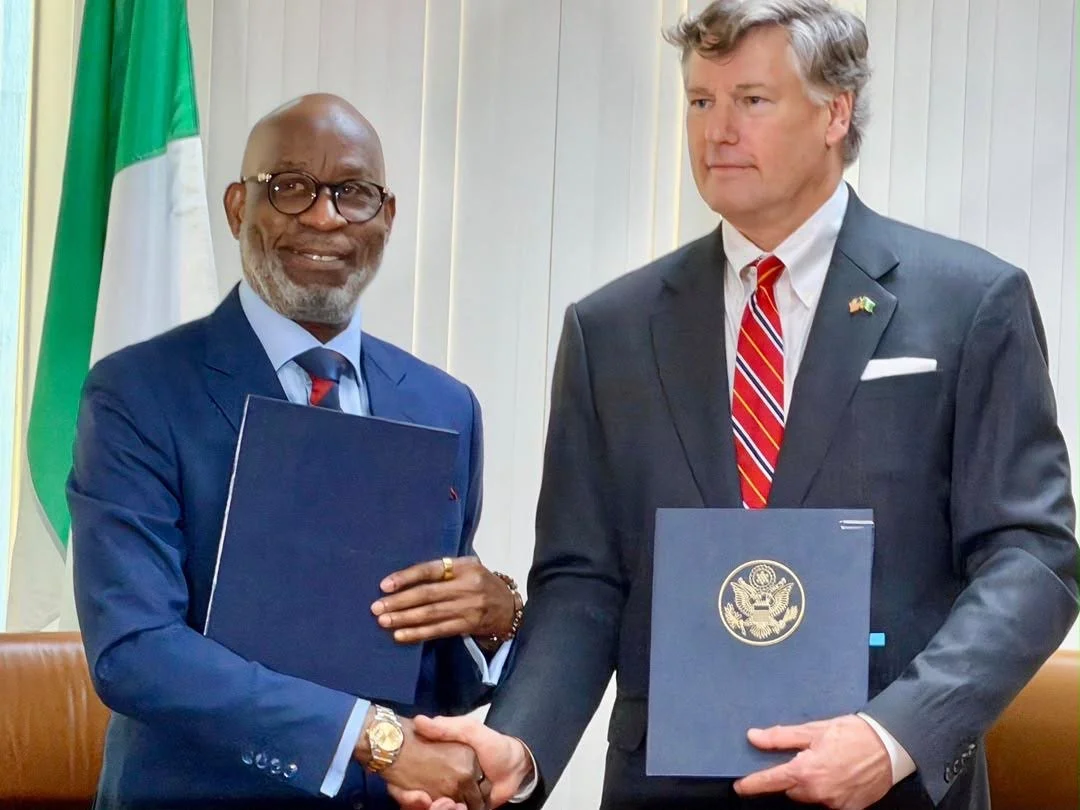
The Federal Government has reaffirmed its commitment to strengthening housing investment and expanding private sector participation in Nigeria’s housing sector ahead of the forthcoming Renewed Hope Public-Private Partnership (PPP) Summit.
The summit, organised under the Renewed Hope Housing Programme, is expected to bring together government officials, developers, financial institutions, investors, and infrastructure stakeholders to explore financing models capable of accelerating affordable housing delivery across the country.
/ You Might Also Like /




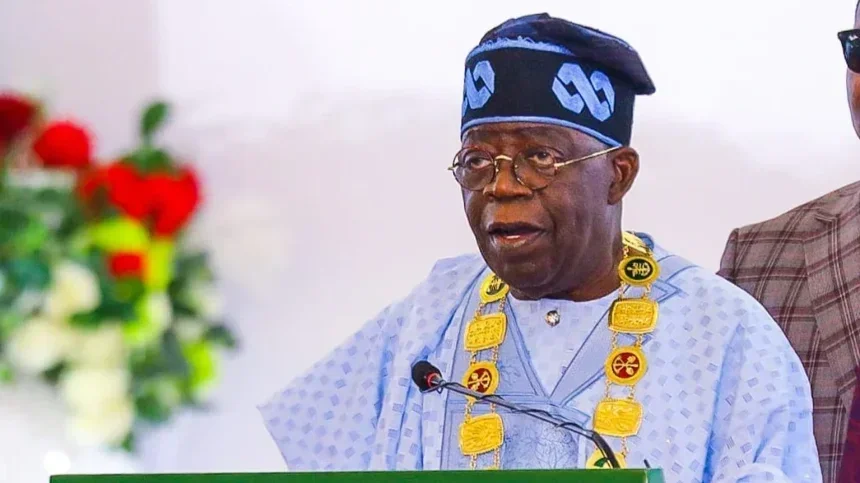
According to the Federal Ministry of Housing and Urban Development, the summit forms part of broader efforts by the administration of President Bola Ahmed Tinubu to address Nigeria’s housing deficit through sustainable investment frameworks and institutional collaboration.
Government Targets Increased Private Sector Participation
Officials of the ministry stated that Public-Private Partnerships remain central to the government’s strategy for mobilising capital, improving project delivery, and scaling affordable housing development nationwide.
The Federal Government has consistently identified private investment as critical to bridging Nigeria’s estimated housing deficit, which industry projections place at more than 20 million units.
Minister of Housing and Urban Development Ahmed Dangiwa has repeatedly stated that government resources alone are insufficient to meet growing housing demand, particularly amid rapid urbanisation and population growth.
The ministry noted that the summit will provide a platform for investors and developers to engage directly with policymakers on financing opportunities, regulatory reforms, land administration challenges, and project implementation frameworks.
Renewed Hope Housing Programme Gains Momentum
The Renewed Hope Housing Programme remains one of the flagship housing initiatives of the current administration, targeting expanded housing supply, urban renewal, and mortgage accessibility.
The programme includes multiple housing delivery channels such as Renewed Hope Cities, Renewed Hope Estates, and social housing initiatives designed to support low- and middle-income households across Nigeria.
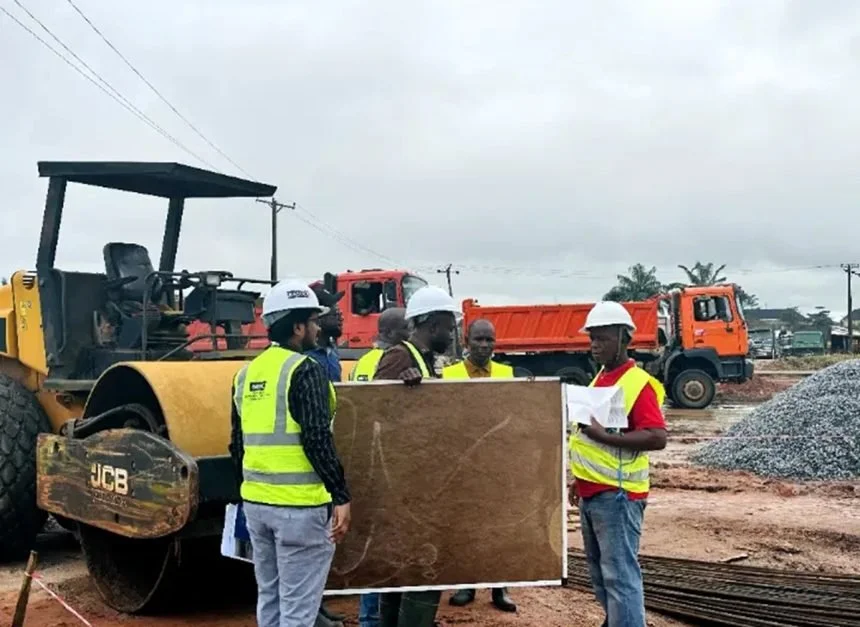
According to the Federal Ministry of Housing and Urban Development, several housing projects are currently under construction in states including Abuja, Kano, Lagos, Katsina, and Yobe as part of the programme’s first implementation phase.
Government officials argue that PPP structures will help improve project scalability, attract institutional capital, and reduce pressure on public finances.
Infrastructure Financing Remains Key Challenge
Stakeholders within the housing sector continue to identify financing constraints as one of the biggest obstacles affecting affordable housing delivery in Nigeria.
Developers frequently cite high interest rates, limited access to long-term financing, infrastructure deficits, and rising construction costs as major barriers to large-scale residential development.
Recent increases in the prices of cement, steel, and other building materials have further intensified concerns over housing affordability and project viability.
Industry analysts note that PPP models could help improve infrastructure funding and risk-sharing mechanisms, particularly for large housing estates and mixed-use urban developments requiring substantial capital investment.
The government has also emphasised the importance of improving mortgage systems, expanding access to housing finance, and strengthening land administration processes to attract long-term investment into the sector.
Investors Seek Policy Stability and Regulatory Clarity
Real estate investors and infrastructure financiers have increasingly called for greater regulatory certainty, transparent land administration systems, and stronger institutional coordination to support housing investment.
Analysts argue that predictable policies and streamlined approval processes are essential for improving investor confidence and reducing project delivery risks.
The Federal Government has recently introduced several policy reforms aimed at simplifying housing delivery and improving access to land and housing finance. These include digital land administration initiatives, mortgage expansion frameworks, and collaborations with development finance institutions.
Experts believe the upcoming summit could serve as an important platform for aligning government priorities with private sector investment expectations.
Urbanisation Continues to Increase Housing Demand
Nigeria’s rapid urbanisation continues to drive housing demand across major cities including Lagos, Abuja, Port Harcourt, Kano, and Ibadan.
According to urban development experts, rising population growth and migration into urban centres are placing increasing pressure on housing supply, transportation systems, and urban infrastructure.
The Federal Government has identified affordable housing delivery as a key component of broader economic development and social stability objectives under the Renewed Hope Agenda.
Analysts warn that without accelerated investment in housing and urban infrastructure, Nigeria could face worsening housing shortages, informal settlement expansion, and rising urban inequality.
PPPs Expected to Support Economic Growth
Beyond housing delivery, policymakers view the expansion of PPP-driven infrastructure investment as a tool for stimulating economic growth, job creation, and industrial activity.
The construction and real estate sectors remain major contributors to employment generation and economic output across Nigeria’s economy.
Industry stakeholders note that large-scale housing projects often create multiplier effects across cement production, steel manufacturing, logistics, financial services, and artisan labour markets.
The Federal Government believes stronger collaboration with private investors could improve the pace and scale of housing delivery while supporting broader economic development objectives.
The Federal Government’s renewed commitment to housing investment ahead of the Renewed Hope PPP Summit highlights the increasing role of private sector collaboration in addressing Nigeria’s housing and infrastructure challenges.
As policymakers seek to expand affordable housing delivery and reduce the country’s housing deficit, Public-Private Partnerships are expected to remain central to financing and implementation strategies under the Renewed Hope Agenda.
The success of the initiative will likely depend on sustained policy consistency, improved infrastructure financing frameworks, regulatory efficiency, and the government’s ability to build investor confidence within Nigeria’s housing sector.
READ MORE