NRS Chairman Says Poverty Could Have Doubled Without Tinubu’s Reforms

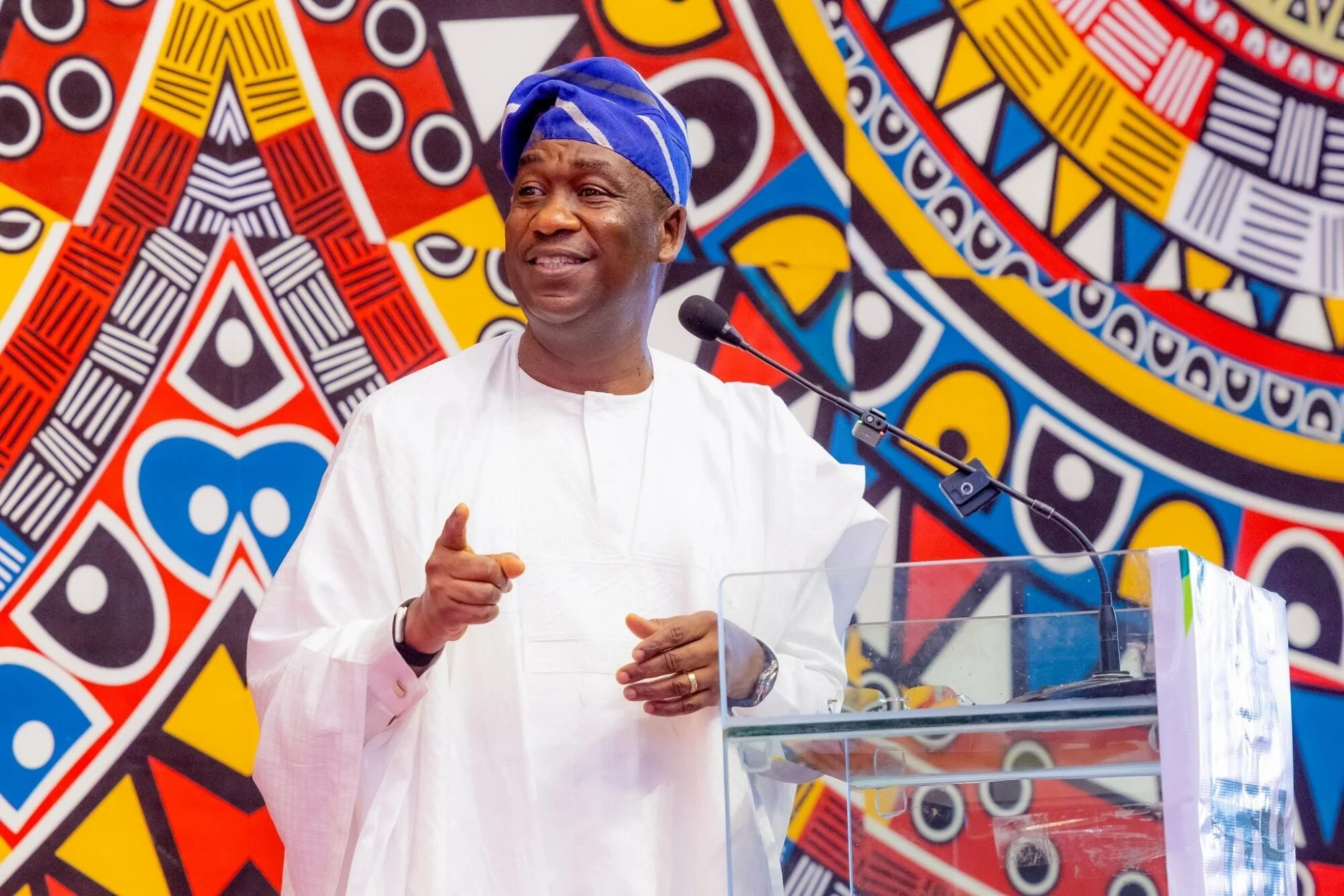
The Chairman of the Nigeria Revenue Service (NRS), Zacch Adedeji
Nigeria Revenue Service (NRS) Chairman Zacch Adedeji says the number of Nigerians falling into poverty could have been significantly higher without the economic reforms implemented by President Bola Tinubu’s administration.
Adedeji made the claim during an interview on Channels Television on Sunday, arguing that the reforms should be assessed against the economic conditions the administration inherited rather than current hardship alone.
/ You Might Also Like /




Adedeji defends impact of economic reforms
Responding to questions about rising poverty and the impact of the reforms, Adedeji argued that Nigeria would have faced a more severe poverty situation without the government’s intervention.
He said the appropriate measure of progress should consider the economic conditions at the beginning of the reform programme and the potential deterioration that could have occurred without corrective measures.
The NRS chairman also pointed to stronger government revenue as evidence that the reforms are producing measurable economic changes.
According to Adedeji, the NRS generated almost as much revenue in the first half of 2026 as it collected throughout 2025, putting the agency on course to exceed N40 trillion in revenue for the full year.
NRS revenue rises to N15.8tn in five months
Revenue performance has strengthened since Nigeria’s tax reforms took effect in January 2026.
NRS data cited by Nairametrics shows that revenue collected between January and May 2026 reached about N15.8 trillion, compared with N10.6 trillion during the corresponding period of 2025.
Even excluding revenue from newly introduced taxes, collections increased by about 15%, exceeding the government’s baseline growth target.
The NRS has projected that taxes and royalties could exceed N40 trillion in 2026, compared with N28.23 trillion collected in 2025.
Government links higher revenue to economic opportunities
Adedeji said stronger public revenue has enabled improvements in state government finances and reduced reliance on federal support for salaries.
He also cited the student loan programme, expanded credit access for civil servants and developments in the Nigerian capital market as examples of how the reforms are creating economic opportunities.
According to him, more than one million students have received education loans, while the introduction of credit scores for civil servants has expanded access to formal credit.
He also pointed to the increase in market capitalisation from about N30 trillion to N150 trillion as evidence of wealth creation and greater economic activity.
Poverty concerns remain despite reform gains
Adedeji’s comments come amid continuing concerns over the effect of Nigeria’s economic adjustment on household welfare.
Nairametrics reported that the International Monetary Fund had raised concerns about worsening poverty and food insecurity despite improvements in Nigeria’s macroeconomic stability and fiscal position.
The IMF has also warned that higher global prices for fuel, food and fertiliser could increase government revenues while simultaneously putting additional pressure on inflation and vulnerable households.
The Federal Government has maintained that its objective is to ensure that improvements in macroeconomic indicators eventually translate into better living conditions for Nigerians.
Revenue growth creates fiscal space for government
The increase in tax collections gives the Federal Government and states greater fiscal capacity to fund public services and infrastructure.
For the housing and construction sectors, stronger public revenue can create additional room for government investment in housing programmes, transport infrastructure, utilities and urban development.
However, higher revenue does not automatically translate into improved household welfare. The effectiveness of public spending, the cost of housing and construction, employment growth and the strength of social protection will determine how much of the fiscal improvement reaches households.
Reforms face test of translating growth into household gains
The debate around the reforms increasingly centres on whether stronger fiscal and external indicators can translate into tangible improvements in living standards.
For the property market, household purchasing power remains particularly important. Higher government revenues can support infrastructure and housing programmes, but rising living costs can limit the ability of households to pay rent, purchase homes or finance construction.
The balance between fiscal consolidation and household affordability will therefore remain an important consideration for policymakers and investors.
Outlook
The NRS chairman’s comments highlight the Federal Government’s argument that its economic reforms have prevented a deeper deterioration in Nigeria’s economic conditions while strengthening public revenue.
The increase in NRS collections provides greater fiscal capacity, but the broader success of the reforms will ultimately be measured by whether stronger government finances translate into increased economic opportunities, improved household incomes and better access to essential services.
For the housing market, sustained improvements in household purchasing power and public infrastructure will be critical to converting macroeconomic gains into stronger and more inclusive property-market activity.
READ MORE