Two-Bedroom Rent on Lagos Island Rises to N17.25m as Housing Costs Surge
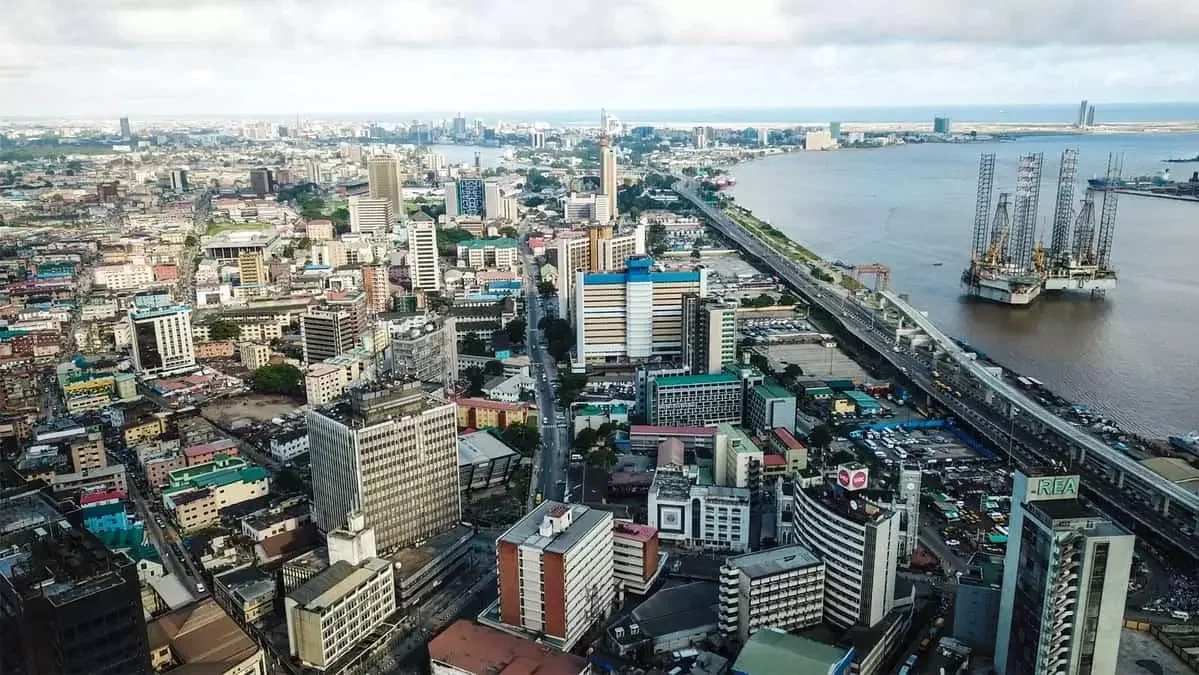
Lagos Island Two-Bedroom Rent Hits N17.25m in Ikoyi
The average annual rent for a two-bedroom apartment across major Lagos Island residential markets has risen sharply between 2022 and 2026, with Ikoyi recording the highest average at N17.25 million, according to the Lagos Island Residential Market Report 2026.
/ You Might Also Like /




The report, produced by Lagos Realty and reviewed by Nairametrics, tracks residential rents, property values and land costs across Ikoyi, Victoria Island, Lekki Phase 1 and Ikate. The data shows substantial rental increases across all four submarkets over the four-year period.
Ikoyi records highest two-bedroom rent
Ikoyi recorded an average annual rent of N17.25 million for a two-bedroom apartment in 2026, making it the most expensive of the four markets analysed.
The average increased from N8 million in 2022, representing a 115.63% rise over the period.
The report attributes demand partly to the area's concentration of high-income households, diplomats, expatriates and senior corporate executives. Newer luxury developments have also expanded the supply of high-end apartments, although limited land availability continues to influence pricing.
Victoria Island follows at N15m
Victoria Island recorded an average annual rent of N15 million for a two-bedroom apartment in 2026.
The figure represents a 128.31% increase from N6.57 million in 2022.
The area's combination of commercial and residential activity continues to support rental demand. Grade A offices, multinational companies, banks and diplomatic missions attract corporate occupiers, expatriates and professionals seeking proximity to their workplaces.
The report also identifies continued residential development around the Eko Atlantic boundary and Ozumba Mbadiwe corridor as part of the changing housing landscape.
Lekki Phase 1 rent reaches N10m
The average annual rent for a two-bedroom apartment in Lekki Phase 1 reached N10 million in 2026, compared with N4 million in 2022.
That represents a 150% increase over the four-year period.
Despite the increase, Lekki Phase 1 remains relatively more affordable than Ikoyi and Victoria Island within the four markets covered by the report.
Lagos Realty describes the area as the most transactionally active of the four submarkets, with demand from young professionals, families and returning Nigerians in the diaspora. Continued residential construction and infrastructure improvements have also supported the area's housing market.
Ikate records fastest rental increase
Ikate recorded the lowest average rent among the four submarkets at N8.5 million annually in 2026.
However, the area recorded the largest percentage increase over the period analysed, rising from N3 million in 2022 to N8.5 million in 2026. This represents an increase of 183.33%.
The report links the growth to rapid residential development, including apartment towers and gated housing schemes.
Ikate has also attracted tenants relocating from Lekki Phase 1 and first-time Lagos Island renters seeking comparatively lower housing costs.
Rental growth reflects wider housing pressures
The rental increases across the four markets highlight the continued pressure on housing costs in Lagos's established residential corridors.
Although the areas differ considerably in their tenant profiles and property types, all four recorded substantial increases between 2022 and 2026.
The report also notes that residential construction has expanded across the corridor, but new supply remains below the level required to meet wider housing demand.
For tenants, the rising cost of two-bedroom apartments increases the financial burden associated with living close to major employment and commercial centres.
For developers and investors, however, the sustained rental growth indicates strong underlying demand for residential accommodation in well-connected Lagos locations.
Affordability remains a major market concern
The pace of rental growth raises questions about affordability, particularly for households whose incomes have not increased at a similar rate.
The four-year increases range from 115.63% in Ikoyi to 183.33% in Ikate, according to the report.
Higher rents can also push households towards more distant neighbourhoods where accommodation costs are lower, potentially increasing commuting distances and transportation expenses.
This creates a broader urban-planning challenge for Lagos, where housing affordability, transport connectivity and employment locations remain closely linked.
Market implications for developers and investors
The data points to continued demand for residential properties in Lagos Island's established markets, but it also highlights differences between submarkets.
Ikoyi and Victoria Island continue to command premium rents because of their locations, commercial activity and concentration of high-income tenants. Lekki Phase 1 offers a broader tenant base, while Ikate has emerged as a lower-cost alternative within the corridor despite recording the strongest percentage rental growth.
For developers, the figures suggest opportunities across different segments of the rental market. However, the ability to sustain rental growth will depend on household purchasing power, new housing supply, infrastructure and broader economic conditions.
Outlook
The latest Lagos Island rental data shows that two-bedroom housing costs have increased substantially across Ikoyi, Victoria Island, Lekki Phase 1 and Ikate since 2022.
With annual rents now ranging from N8.5 million to N17.25 million, affordability remains a key challenge for tenants, while strong rental demand continues to support investment interest in the corridor.
The longer-term direction of the market will depend on whether new residential supply can keep pace with demand and whether infrastructure and economic growth can support the increasingly high cost of housing in Lagos Island's major residential districts.
READ MORE