FG Cash Transfer Programme Reaches 9.2 Million Households
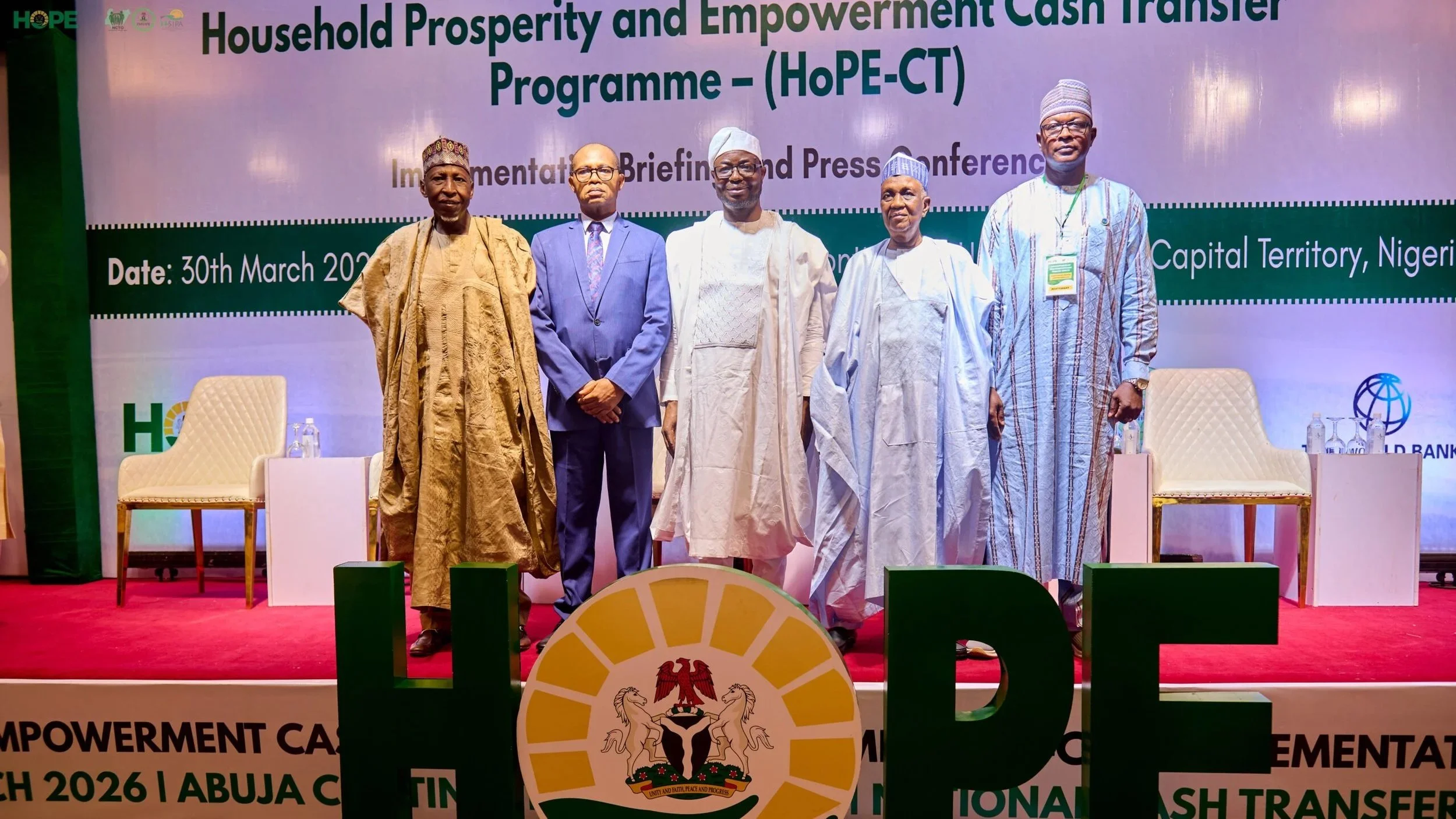
Nigeria Expands Cash Transfers to 9.2m Households Nationwide
The Federal Government has announced that its national cash transfer programme has positively impacted approximately 9.2 million households across Nigeria, reinforcing its role as a key social protection mechanism aimed at alleviating poverty and improving livelihoods. The initiative forms part of broader economic support measures targeting vulnerable populations.
/ You Might Also Like /




Programme and Reach
The cash transfer scheme, implemented under Nigeria’s social investment framework, has achieved significant nationwide coverage, reaching millions of low-income households. According to official figures, 9.2 million households have benefited from direct financial support designed to improve consumption levels and household resilience.
The programme primarily targets vulnerable groups, including low-income families, unemployed individuals, and those affected by economic shocks. By providing direct cash payments, the initiative seeks to enhance purchasing power and reduce extreme poverty levels.
Role in Poverty Reduction and Livelihood Support
Cash transfer programmes are widely recognised as effective tools for poverty alleviation, particularly in developing economies. In Nigeria, the initiative supports household spending on essential needs such as food, healthcare, and education.
Evidence from similar interventions indicates that direct cash support can stabilise incomes, improve food security, and enable small-scale economic activities. The Federal Government’s programme aligns with global best practices in social protection, which prioritise targeted financial assistance to vulnerable populations.
Policy Context and Economic Considerations
The expansion of cash transfers comes amid ongoing economic reforms and cost-of-living pressures. Rising inflation and subsidy reforms have increased the need for targeted welfare interventions to cushion the impact on households.
Previous government announcements have highlighted plans to extend cash transfers to millions of Nigerians as part of efforts to mitigate economic hardship and support inclusive growth.
The programme also complements broader policy initiatives aimed at strengthening Nigeria’s social safety nets and improving income distribution.
Implementation and Delivery Framework
To enhance transparency and efficiency, the government has adopted digital payment systems, including bank transfers and mobile money platforms. These systems are linked to national identification frameworks to ensure accurate targeting and reduce leakages.
The use of technology in programme delivery reflects a shift toward more accountable and data-driven public welfare systems. It also aligns with efforts to modernise public service delivery and improve monitoring mechanisms.
Implications for Economic Stability
For policymakers and development stakeholders, the scale of the programme underscores the growing importance of social protection in Nigeria’s economic strategy.
Key implications include:
Increased household consumption: Supporting aggregate demand in the economy
Poverty reduction: Direct financial support to vulnerable groups
Economic resilience: Helping households absorb shocks from inflation and policy changes
However, long-term sustainability will depend on fiscal capacity, programme efficiency, and integration with broader economic reforms.
The Federal Government’s cash transfer programme, now reaching 9.2 million households, represents a significant expansion of Nigeria’s social safety net. While the initiative provides immediate relief and supports livelihoods, its long-term impact will depend on sustained funding, effective targeting, and alignment with broader economic development policies. For investors and policymakers, the programme highlights the critical role of social interventions in stabilising consumption and supporting inclusive growth.
READ MORE