President Tinubu Courts Investors at Africa CEO Forum Amid Reform Push
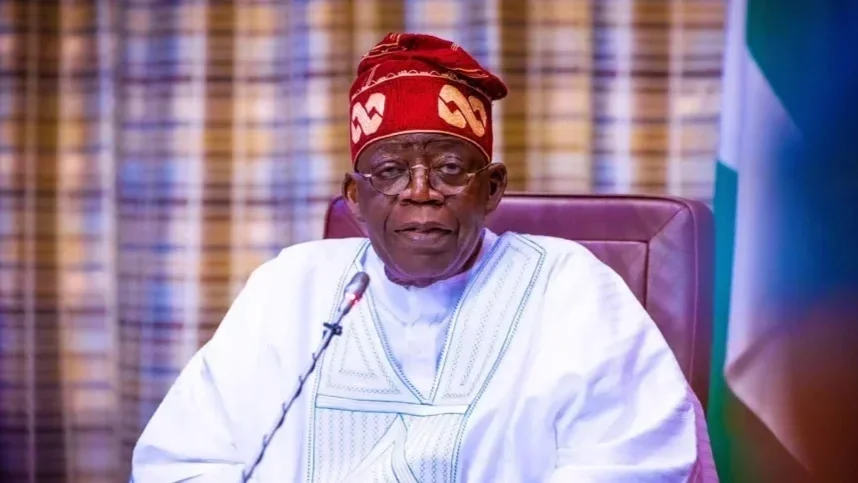
Tinubu Markets Nigeria’s Economic Reforms to African Business Leaders
President Bola Tinubu has used the Africa CEO Forum in Kigali, Rwanda, to promote Nigeria’s ongoing economic reforms and strengthen investor confidence in Africa’s largest economy. The President’s participation at the high-level gathering forms part of the administration’s broader economic diplomacy strategy aimed at attracting foreign direct investment, expanding regional partnerships and positioning Nigeria as a leading investment destination on the continent.
/ You Might Also Like /




The 2026 Africa CEO Forum, organised by Jeune Afrique Media Group in partnership with the International Finance Corporation (IFC), brought together more than 2,800 business leaders, investors and policymakers from over 90 countries in Kigali between May 14 and 15. According to the Presidency, the forum provided Nigeria with a strategic platform to showcase progress made under the administration’s reform programme and engage directly with global investors.
Presidency Positions Economic Diplomacy as Growth Strategy
The Presidency stated that Tinubu’s attendance aligns with efforts to deepen international economic engagement and improve Nigeria’s competitiveness in global investment markets. Presidential spokesman Abdulaziz Abdulaziz said the administration views economic diplomacy as a critical tool for sustainable growth and capital mobilisation.
According to the Presidency, Tinubu’s engagements at the forum were designed to reassure investors about Nigeria’s economic direction and demonstrate the government’s commitment to structural reforms. Officials argued that active international engagement has become increasingly important as countries compete for investment inflows in a highly interconnected global economy.
The President also held discussions with African and international business executives during the summit, focusing on trade, industrialisation and long-term investment opportunities across critical sectors of the Nigerian economy.
Government Highlights Key Economic Reforms
During the forum, the administration highlighted several major policy reforms introduced since Tinubu assumed office. These include foreign exchange market unification, subsidy removal, fiscal policy restructuring and regulatory reforms intended to improve the ease of doing business.
Tinubu defended the reform programme as necessary to stabilise the economy, improve macroeconomic fundamentals and create conditions for long-term growth. Addressing business leaders and policymakers, he stated that Nigeria must demonstrate leadership within Africa through decisive economic policy actions.
The Presidency also argued that the reforms are gradually restoring investor confidence and improving Nigeria’s attractiveness to international capital. Officials maintained that stronger policy consistency and regulatory transparency remain central to the administration’s economic agenda.
Investors Continue to Monitor Reform Outcomes
While the administration has intensified efforts to market Nigeria internationally, investors continue to closely assess the practical impact of ongoing reforms on inflation, exchange rate stability, debt sustainability and operating conditions.
Recent economic adjustments, including currency liberalisation and subsidy removal, have contributed to higher living costs and inflationary pressures domestically. However, government officials argue that the reforms are necessary to address longstanding structural distortions and strengthen fiscal sustainability over the medium term.
At the forum, Tinubu also called for broader reforms to the global financial system, arguing that African economies continue to face disproportionately high borrowing costs despite implementing difficult economic adjustments. He warned that rising debt-servicing obligations across the continent risk limiting investments in infrastructure, healthcare and education.
Africa CEO Forum Strengthens Regional Economic Dialogue
The Africa CEO Forum remains one of the continent’s largest private-sector gatherings and serves as a major platform for dialogue between governments, investors and corporate executives. The annual event increasingly focuses on investment flows, industrial policy, energy transition, digital infrastructure and regional integration across Africa.
Nigeria’s participation reflects growing competition among African economies seeking to attract capital amid tighter global financial conditions and slower international growth. Analysts note that sustained investor confidence will likely depend not only on reform announcements but also on implementation consistency, policy clarity and institutional stability.
Outlook for Nigeria’s Investment Climate
The Tinubu administration continues to position economic reforms as the foundation for long-term private-sector-led growth. Government officials maintain that reforms in taxation, regulation and foreign exchange management are intended to create a more predictable environment for domestic and foreign investors.
However, economic observers note that investor sentiment will remain closely tied to the government’s ability to stabilise inflation, strengthen infrastructure delivery and sustain macroeconomic reforms over time. For Nigeria, the Africa CEO Forum represents both a diplomatic engagement and an opportunity to reinforce confidence in its economic transition strategy.
READ MORE