Rising Yields Shape FG’s ₦700bn April Bond Issuance Strategy
Nigeria’s Federal Government plans to raise ₦700 billion through its April 2026 bond auction, as borrowing costs remain elevated in the domestic debt market. The issuance, managed by the Debt Management Office, reflects continued reliance on local borrowing to finance fiscal deficits and manage debt obligations.
Bond Issuance Structure
According to the April 2026 bond offer circular, the government will reopen existing Federal Government of Nigeria (FGN) bonds for subscription, with the auction scheduled for April 27 and settlement set for April 29.
/ You Might Also Like /




The ₦700 billion offer follows a similar issuance pattern observed in previous months, where the government reopens medium- to long-term instruments to maintain liquidity in benchmark securities. This strategy supports market stability while enabling efficient refinancing of existing debt.
Elevated Interest Rate Environment
The planned issuance comes amid persistently high interest rates across Nigeria’s fixed-income market. Yields on government securities have remained elevated due to inflationary pressures and tight monetary policy conditions.
Recent market data indicates that average bond yields are approaching the mid-to-high teens, reflecting investor demand for higher returns in a risk-adjusted environment.
Higher yields increase the cost of borrowing for the government, as new debt must be issued at more expensive rates. This dynamic continues to place pressure on fiscal balances, particularly as debt servicing consumes a significant share of public revenue.
Fiscal Strategy and Debt Management
The ₦700 billion bond auction forms part of the government’s broader domestic borrowing programme aimed at financing budget deficits and supporting capital expenditure.
Nigeria has increasingly relied on the domestic bond market due to constraints in external borrowing and the need to manage exchange rate risks. By issuing naira-denominated debt, the government reduces exposure to foreign currency volatility while leveraging strong local investor demand.
However, sustained borrowing at elevated rates raises concerns about long-term debt sustainability. Analysts emphasise the importance of balancing financing needs with cost efficiency, particularly in an environment of constrained revenue growth.
Market and Investor Dynamics
Despite rising yields, investor appetite for FGN bonds remains relatively strong, driven by institutional investors such as pension funds and asset managers seeking stable returns.
Demand for government securities continues to be supported by their low-risk profile and regulatory incentives. However, higher yields may also influence portfolio allocation decisions, potentially crowding out private sector borrowing.
Implications for Housing and Infrastructure
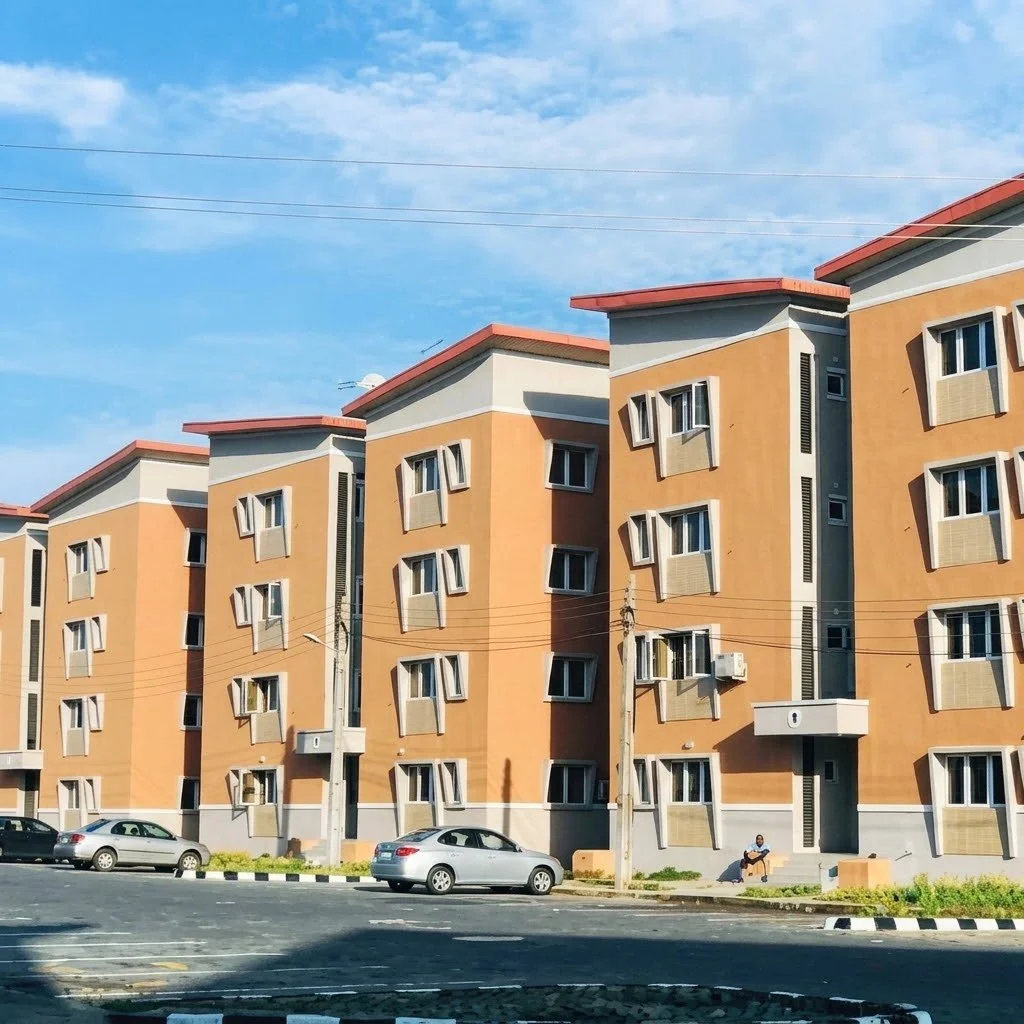
Government bond issuances play a critical role in financing infrastructure and housing development. Proceeds from domestic borrowing support capital projects, including transport networks, urban development, and housing initiatives.
However, elevated interest rates can increase financing costs for developers and limit access to affordable credit. This may slow project delivery and constrain housing supply, particularly in a market already facing affordability challenges.
Outlook
The April bond auction highlights the ongoing tension between financing needs and borrowing costs in Nigeria’s fiscal framework. While the domestic debt market remains a reliable funding source, rising interest rates will continue to shape issuance strategies and fiscal outcomes.
The Federal Government’s plan to raise ₦700 billion through its April bond auction underscores the central role of domestic borrowing in Nigeria’s fiscal strategy.
As interest rates remain elevated, policymakers will need to focus on improving revenue generation, managing debt costs, and maintaining investor confidence to ensure sustainable financing of economic development priorities.
READ MORE