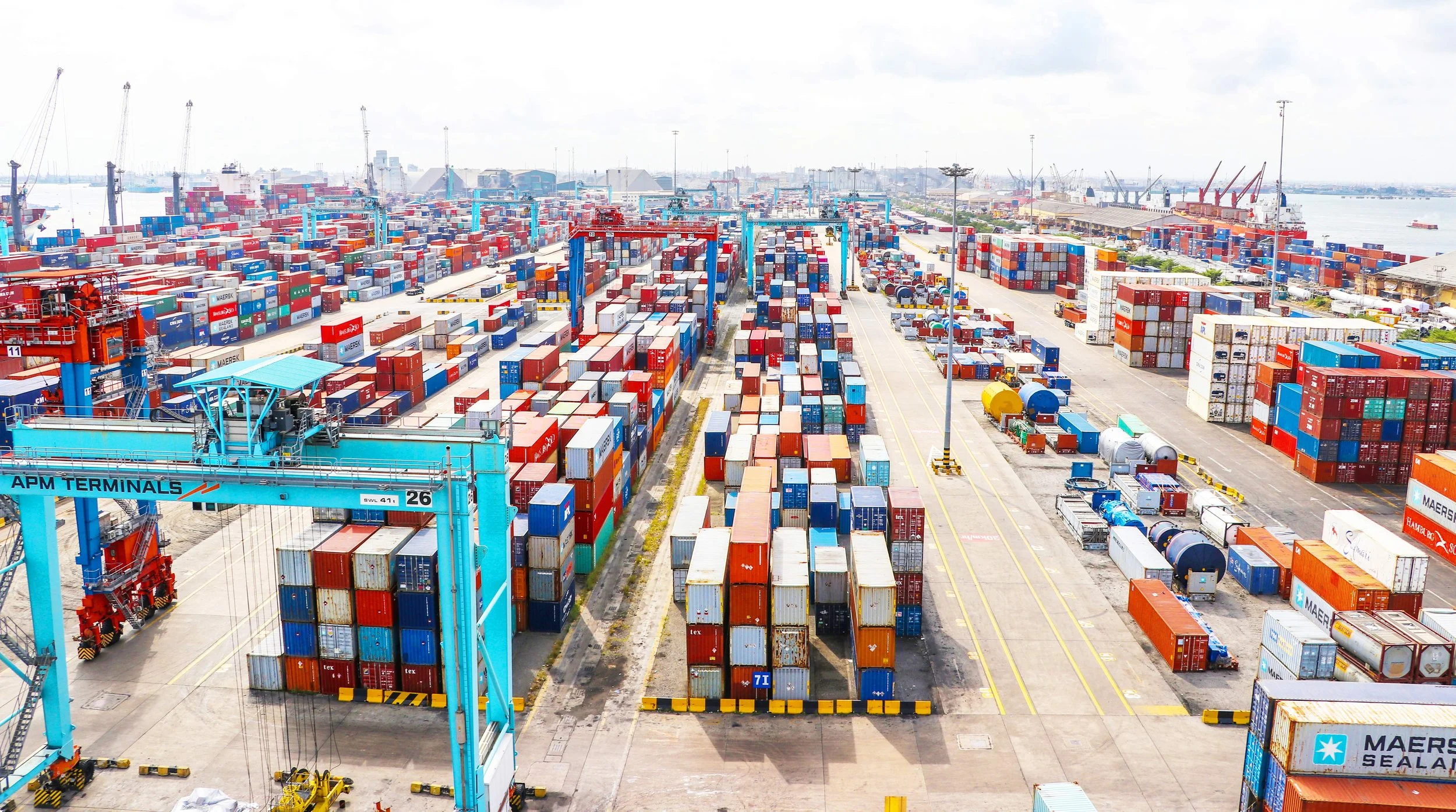
NEXIM, CBN Align Strategies to Boost Non-Oil Exports and FX Earnings
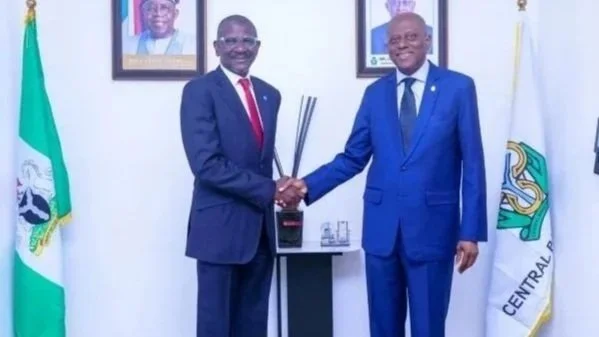
Nigeria Targets FX Stability as NEXIM, CBN Deepen Collaboration
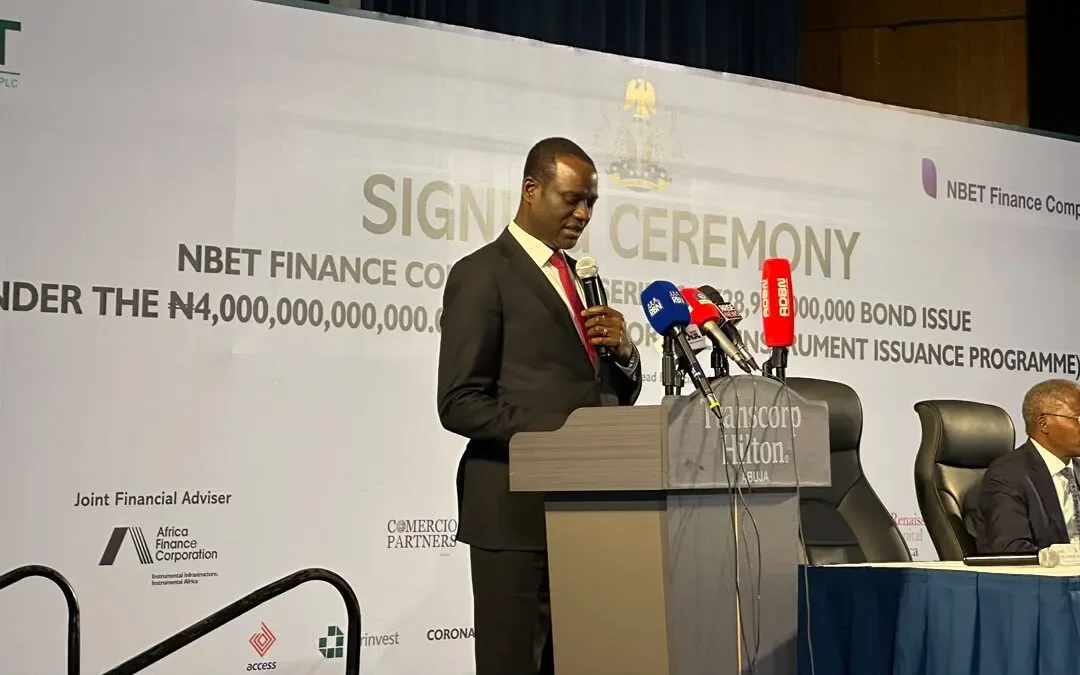
The Managing Director of the Nigerian Export-Import Bank, Abba Bello, has met with Olayemi Cardoso, Governor of the Central Bank of Nigeria, to align strategies aimed at boosting non-oil exports and increasing foreign exchange (FX) earnings. The meeting, held on April 22, 2026, in Abuja, focused on strengthening trade finance and supporting sustainable economic growth.
Strategic Focus on Export Growth
Discussions between both institutions centred on expanding export financing and improving support for small and medium-sized enterprises (SMEs) and value-added sectors.
/ You Might Also Like /




The collaboration reflects a coordinated effort to reposition Nigeria’s export base away from oil dependency. By prioritising non-oil exports, policymakers aim to build a more diversified and resilient economy capable of generating stable FX inflows.
Strengthening Trade Finance and Institutional Alignment
Both parties emphasised the need for closer alignment between development finance institutions and monetary authorities. This includes harmonising policies that support export development, enhance access to finance, and improve the competitiveness of Nigerian goods in international markets.
The engagement also highlighted the role of targeted financing in unlocking growth across key sectors such as agriculture, manufacturing, and solid minerals—areas with strong export potential.
Implications for FX Stability
Boosting non-oil exports remains central to Nigeria’s FX strategy. Increased export earnings can help stabilise the naira by improving foreign exchange supply and reducing reliance on oil revenues.
According to policy direction outlined by the Central Bank, strengthening non-oil exports is a critical pathway to rebuilding external reserves and improving FX liquidity over time.
Economic and Investment Outlook
For investors and policymakers, the alignment between NEXIM and the CBN signals a more coordinated approach to economic management. Improved access to export financing and clearer policy direction could enhance investor confidence and support long-term capital inflows.
The focus on SMEs and value-added production also indicates a shift toward inclusive growth, with potential to create jobs and expand Nigeria’s industrial base.
The meeting between NEXIM and the Central Bank of Nigeria underscores a strategic push to accelerate non-oil export growth and strengthen FX earnings. By aligning financing frameworks and policy priorities, both institutions are positioning Nigeria to reduce external vulnerabilities and support sustainable economic development.
Sustained execution and effective coordination will be critical to translating this alignment into measurable gains in export performance and foreign exchange stability.
READ MORE