FG launches ₦180bn data initiative for students
The Federal Government has launched a ₦180 billion annual zero-rated data initiative that will provide five million Nigerian students with daily access to approved digital learning platforms from October 1, 2026.
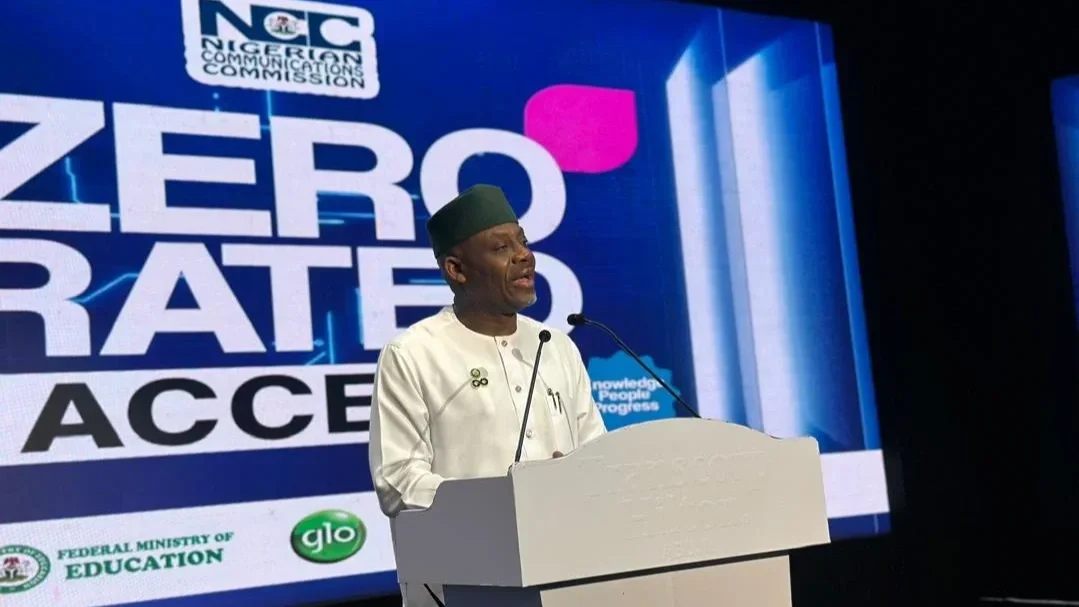
The initiative was unveiled by the Minister of Education, Dr Tunji Alausa, in Abuja on September 10 during the official launch of the Zero-Rated Access to Education Platforms and Content programme, organised in collaboration with the Nigerian Communications Commission (NCC) and telecommunications operators.
/ You Might Also Like /




Five Million Students to Receive Daily Data
Under the programme, five million learners will receive 100 megabytes of sponsored data each day to access approved educational platforms.
The government estimates the intervention at ₦15 billion monthly, equivalent to ₦180 billion annually.
The initiative is designed to remove data costs as a barrier to digital education, particularly for students whose households cannot consistently afford internet access.
The government intends to begin the programme on October 1.
Government Targets Digital Education Gap
Alausa said digital technology can expand access to educational resources by allowing mobile phones, tablets and computers to function as learning tools.
He said the effectiveness of digital education would remain limited if access continued to depend heavily on household income and geographical location.
The programme is aligned with the Nigeria Education Sector Renewal Initiative (NESRI) and the digitised Nigeria Education Management Information System (D-NEMIS).
The Education Ministry has also geomapped and geolocated more than 240,000 schools nationwide, while deploying a Learner's Identification Number to track students from primary through tertiary education.
NCC and Telecom Operators Support Programme
The initiative is being implemented with the involvement of the NCC and telecommunications operators under the Association of Licensed Telecommunications Operators of Nigeria.
The Minister of Communications, Innovation and Digital Economy, Dr Bosun Tijani, represented at the launch by Adetunji Olugbenga, said the programme would support efforts to reduce Nigeria's digital divide.
The NCC's Executive Commissioner for Stakeholder Management, Rimini Makama, said the framework was designed to ensure students are not excluded from digital learning because of financial constraints.
Private-sector participation will also play a role. Oladipo Olugbemi of uLesson Group pledged technical support from the edtech sector to help maintain platform quality and ensure seamless access.
Potential Impact on Households
The initiative could provide some relief for households with students who regularly require internet access for academic activities.
As education increasingly incorporates online materials, digital classrooms and educational platforms, the cost of connectivity has become part of the broader cost of education.
Reducing that cost for five million students could therefore improve access to digital learning while allowing affected households to redirect some spending towards other needs.
Digital Infrastructure and the Property Market
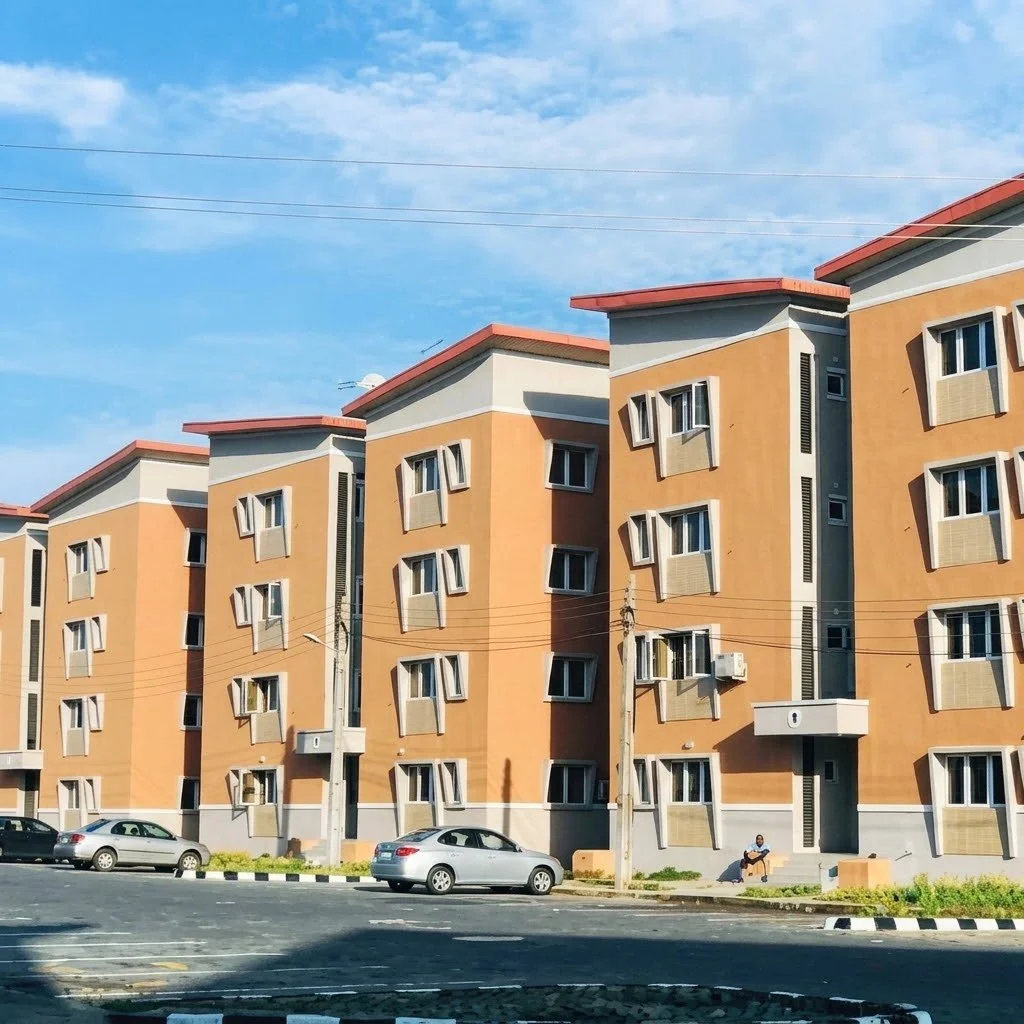
For the housing market, the programme also highlights the increasing importance of digital connectivity as a component of residential infrastructure.
Reliable internet access is becoming increasingly relevant to students, remote workers, businesses and households when assessing where to live or establish operations.
As digital services expand, residential developments with reliable broadband and mobile connectivity could become more attractive, particularly in urban and emerging suburban communities.
This could also influence the planning of future housing estates, student accommodation and mixed-use developments, where connectivity is increasingly becoming part of the expected infrastructure package.
Location Could Determine the Programme's Impact
The effectiveness of the initiative will ultimately depend on the availability and quality of telecommunications infrastructure.
Providing sponsored data does not automatically guarantee meaningful digital access in communities where network coverage is weak, electricity supply is unreliable or households lack suitable devices.
This means the wider digital infrastructure ecosystem including mobile networks, broadband infrastructure, electricity and access to affordable devices will remain important to the programme's success.
Outlook
The ₦180 billion initiative represents a significant public investment in reducing the cost barrier to digital education, with five million students expected to benefit from daily sponsored data from October 1.
For Nigeria's broader development agenda, the programme could strengthen digital education and human-capital development if access is sustained and complemented by improvements in network coverage, electricity and device availability.
For the property sector, the initiative reinforces a wider trend: digital connectivity is becoming an increasingly important part of the infrastructure that determines the attractiveness and functionality of residential and commercial locations.
READ MORE