Dangote Petroleum Refinery has reportedly secured enough investor commitments to meet its $1.6 billion fundraising target
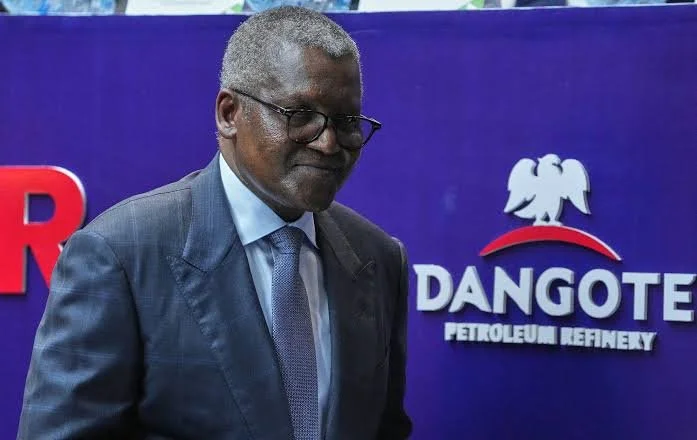
Dangote Petroleum Refinery and Petrochemicals FZE has reportedly secured enough investor commitments to meet its $1.6 billion initial public offering (IPO) target, attracting applications from investors in 119 countries as the share sale reaches its closing date.
The offering has drawn between $1.5 billion and $1.6 billion in fully funded commitments from Nigerian and retail investors, according to people familiar with the transaction cited in a Bloomberg report.
/ You Might Also Like /




The development marks a significant milestone for the refinery’s plan to broaden ownership of one of Africa’s largest industrial investments while raising capital for expansion.
The IPO, which opened on 14 September, is scheduled to close on 27 October 2026 after the Securities and Exchange Commission approved a two-week extension to widen participation and give prospective investors more time to complete application requirements.
Investors from all 54 African countries have reportedly requested allocations, while applications have also come from markets beyond the continent. The level of demand could leave international investors competing for available shares as the offer moves towards allotment.
Refinery Seeks $1.6bn Through Public Share Offer
Dangote Refinery is offering 4.1 billion ordinary shares at ₦525 each, giving the offer a value of approximately ₦2.15 trillion, or $1.6 billion.
The minimum subscription is 10 shares, costing ₦5,250, as the company seeks to attract as many as 10 million investors, particularly retail participants in Nigeria and other African markets.
The reported commitments suggest that domestic and retail investor demand may be sufficient to meet the fundraising target before all international demand is accommodated.
The refinery could also exercise a 30 per cent over-allotment option, potentially increasing the amount raised to approximately $2.1 billion. The final outcome will depend on the offer's allotment arrangements and the exercise of that option.
The reported level of demand follows an extension of the subscription deadline from 13 October to 27 October. The additional time was intended to broaden participation across African markets and allow applicants to complete account opening, identity verification and other regulatory requirements.
Investors from Across Africa Join the Offer
The IPO has been structured to reach investors beyond Nigeria through cross-border investment arrangements involving selected African markets.
These include depositary receipt arrangements and distribution channels involving markets such as Botswana, Egypt, Ethiopia and Kenya. Such mechanisms can help eligible investors participate in securities offerings across borders, subject to applicable regulatory requirements.
The initiative also tests whether African capital markets can make it easier for investors in one country to acquire interests in major businesses based in another.
For the refinery, wider participation could diversify its shareholder base and demonstrate the capacity of regional financial markets to mobilise savings for large-scale industrial projects.
However, applications from 119 countries do not necessarily mean that investors in every market will receive shares. Final allocations will depend on the offer's terms, the level of valid demand and the applicable regulatory arrangements.
IPO Proceeds to Support Refinery Expansion
The fundraising forms part of Dangote Refinery's broader expansion ambitions. The company plans to increase processing capacity to 1.4 million barrels per day by the first quarter of 2029.
The expansion is intended to strengthen the refinery's production capacity and its position in regional and international petroleum-product markets.
Raising capital through a public offering provides a route to bring in additional investors while allowing the company to pursue its investment plans. The extent to which the offer supports the expansion will depend on the proceeds ultimately raised and how the company deploys the funds.
The transaction also provides an opportunity for investors to participate in the performance of a major industrial asset. However, shares carry investment risks, and strong demand for an IPO does not guarantee future returns.
What the Fundraising Means for Nigeria's Capital Market
The reported demand highlights the potential for large domestic companies to attract substantial investment through Nigeria's capital market and connect with investors across Africa.
A successful offering could demonstrate how public share sales can mobilise capital for industrial expansion while giving retail investors access to businesses that might otherwise remain privately owned.
The cross-border element is also significant. African capital markets remain fragmented by differences in regulation, currency arrangements and trading infrastructure. Efforts to make investment more accessible across countries could help widen the pool of capital available to major businesses.
Nevertheless, the transaction's wider significance will depend on the final amount raised, the number and distribution of successful applicants, and the subsequent performance of the shares.
The final allotment and listing process will provide a clearer picture of how much investor demand translates into actual ownership.
Implications for Housing and Construction
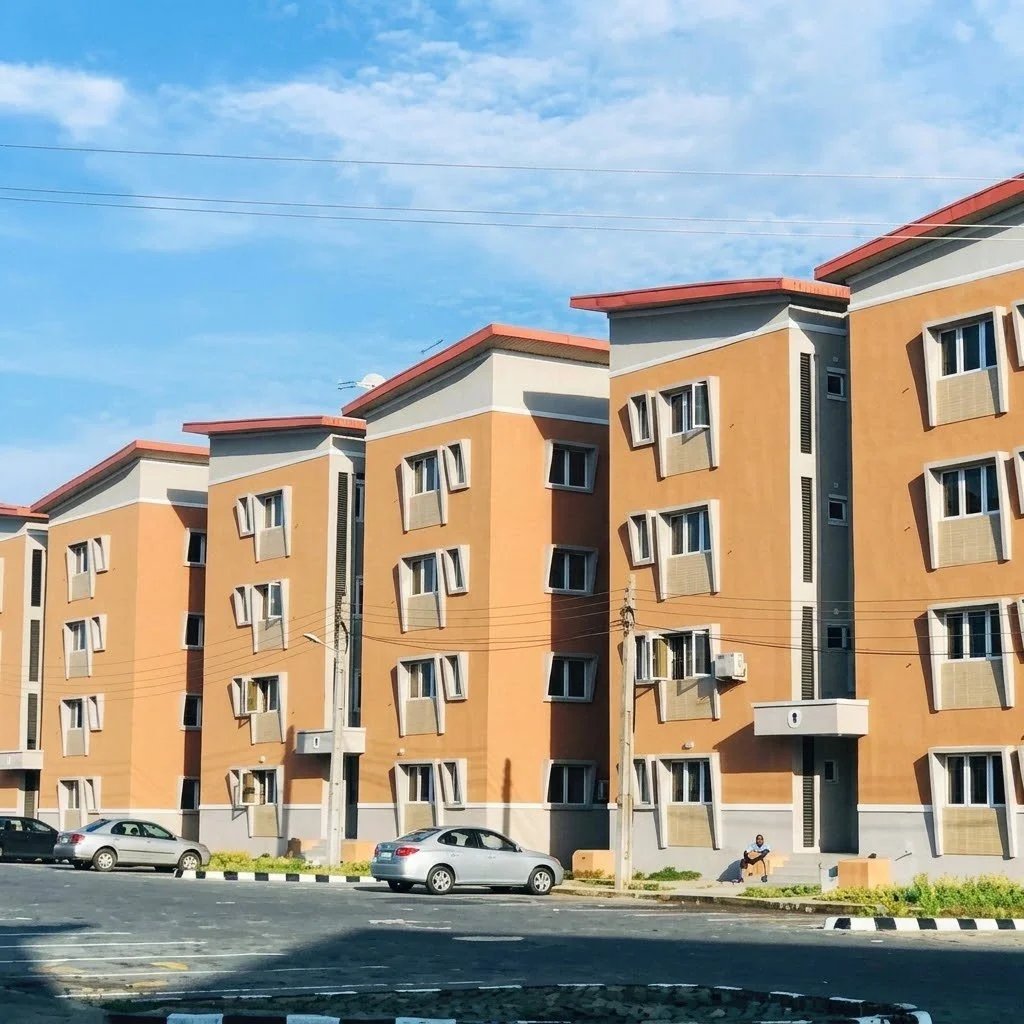
Although the IPO is primarily an industrial and energy-sector development, the refinery's expansion could have indirect implications for Nigeria's construction and property markets.
Large industrial projects require land, infrastructure, engineering services, construction materials and logistics. Expansion activity can therefore generate demand for contractors, industrial facilities and related services.
The refinery's operations may also influence the availability and cost of petroleum products, with potential consequences for transport, logistics and energy expenses across the economy.
For property developers, these factors matter because fuel and transport costs contribute to construction budgets and the movement of building materials. However, the IPO itself does not guarantee lower fuel prices, reduced construction costs or cheaper housing.
The housing-market implications will depend on the refinery's operational performance, the delivery of its expansion plans and the extent to which any wider economic benefits reach businesses and households.
Outlook
Dangote Refinery's reported fundraising success would mark a major step in its effort to broaden ownership and finance further expansion. Investor applications from 119 countries also highlight the potential reach of a large Nigerian share offering when supported by wider distribution channels.
The immediate priorities are the completion of the offer, confirmation of final proceeds and allocation of shares to successful applicants.
For Nigeria's capital market, the transaction could offer lessons on retail participation, cross-border investment and financing large industrial assets. Its longer-term significance will depend on the refinery's performance and whether the capital raised delivers the expected expansion and economic benefits.
READ MORE