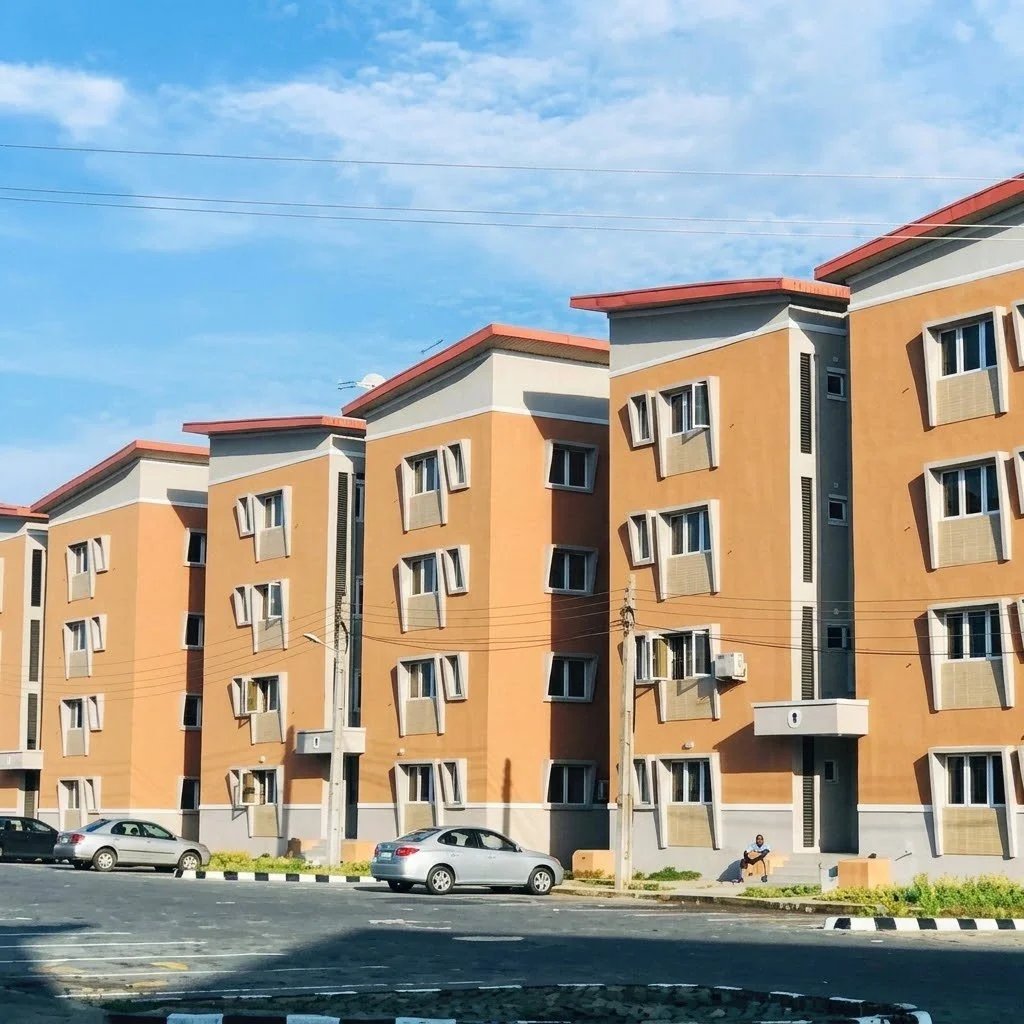
Housing expert Olufemi Oyedele says Nigeria needs a more coordinated and effective approach to housing policy and delivery
Nigeria’s decades of housing policies have failed to deliver the scale of affordable housing required by the population, raising questions about how governments formulate programmes, coordinate implementation and measure results.
The persistent gap between policy announcements and completed, accessible homes highlights a challenge that extends beyond the number of housing schemes introduced. Effective delivery also depends on land access, construction costs, long-term financing, infrastructure and the capacity of public institutions to execute projects.
/ You Might Also Like /




Housing expert Olufemi Oyedele has repeatedly called for a more coordinated approach to the sector, arguing that Nigeria’s housing challenges cannot be resolved through fragmented and costly interventions.
The issue is particularly important for investors, developers and policymakers because housing programmes influence land development, construction activity, mortgage demand and the supply of homes available to households across different income groups.
For NHM readers, the central question is not simply why previous policies fell short, but what changes could make future programmes more effective and ensure that completed homes reach the people who need them.
Fragmented Policies Weaken Housing Delivery
One persistent challenge in Nigeria’s housing sector is the lack of effective coordination between the federal, state and local governments.
Housing delivery involves several areas of responsibility, including land administration, physical planning, infrastructure provision, building regulation and access to finance. When these functions operate without sufficient coordination, projects can face delays, higher costs and inconsistent implementation.
A national policy may establish broad objectives, but states and local governments must translate those objectives into land allocation, development approvals, infrastructure and practical delivery arrangements.
Weak coordination can also make it difficult to establish clear responsibility when projects stall or housing targets remain unmet.
Oyedele has previously advocated a dedicated housing institution that would bring public officials and private-sector professionals together to formulate policy, monitor implementation and evaluate performance.
Such a framework could help align government programmes and improve accountability, although its effectiveness would depend on its legal authority, funding, independence and relationship with existing housing institutions.
Land, Infrastructure and Finance Remain Major Barriers
Housing policies cannot deliver affordable homes without addressing the practical costs of development.
Land acquisition and title registration can be expensive and time-consuming, while inadequate roads, drainage, water supply and electricity increase the cost of preparing sites for construction.
Developers may also struggle to secure long-term financing that matches the time required to build, sell or rent residential properties. High borrowing costs can raise project expenses and make homes more expensive for prospective buyers.
Mortgage constraints create another problem. Even when developers complete housing units, many households cannot afford the required deposits or meet the repayment conditions imposed by formal lenders.
These challenges reinforce one another. Expensive land and infrastructure raise development costs, costly finance increases the final price, and low household purchasing power limits the number of buyers who can afford the completed homes.
Addressing only one part of the problem is therefore unlikely to produce a substantial improvement in housing affordability.
Housing Targets Must Reflect Actual Delivery
Housing policies frequently set ambitious production targets, but the number of units announced or planned does not necessarily reflect the number completed and occupied.
A more useful assessment should distinguish between proposed developments, homes under construction, completed units and properties that households can actually afford to occupy.
This distinction matters for public accountability and investment decisions. A project may be under construction for several years without adding immediately available housing to the market.
Government agencies should therefore publish consistent information on project funding, construction progress, completion dates, selling prices, eligibility requirements and occupancy.
Clear performance measures would also help policymakers identify where projects encounter difficulties and whether public expenditure produces the intended housing outcomes.
For developers and investors, reliable delivery data can provide a better basis for evaluating public-private partnerships and identifying opportunities in areas where housing demand remains unmet.
Affordable Housing Must Match Household Incomes
Increasing the number of homes available is important, but the prices and financing terms must also reflect what prospective occupants can afford.
Some government-backed developments may add to the formal housing stock without serving lower-income households if their prices, deposits and repayment requirements remain beyond the reach of intended beneficiaries.
Affordability depends on more than the initial selling price. Buyers and tenants must also account for financing costs, transport, utilities, maintenance and other recurring expenses.
Government programmes should therefore assess housing affordability against household incomes and the full cost of ownership or occupancy.
Options such as rent-to-own arrangements, cooperative housing, social housing and appropriately structured mortgage products may help serve households that cannot meet conventional purchase requirements. Their effectiveness, however, depends on sustainable funding, transparent eligibility rules and careful programme design.
Private Investment Needs a Clearer Delivery Framework
Private developers and institutional investors can contribute capital, construction expertise and operational capacity to expand housing supply. However, their participation depends on projects being commercially viable and regulatory conditions being sufficiently predictable.
Public-private partnerships can help governments share development costs and mobilise private funding, but the structure of each arrangement matters. Land contributions, infrastructure responsibilities, risk allocation, financing costs and selling prices all influence whether a project can deliver homes at affordable rates.
Where public authorities prioritise revenue generation without adequately addressing land and infrastructure costs, the resulting homes may remain unaffordable to lower-income households.
A more effective framework would align private-sector returns with clearly defined public housing objectives, while requiring transparent reporting on costs, completion rates and the households served.
Government should also ensure that housing programmes complement rather than duplicate one another, allowing limited public resources to support projects with demonstrable delivery potential.
Outlook
Nigeria’s housing policy challenge is not a shortage of programmes alone. It is the difficulty of translating policy objectives into completed, affordable and adequately serviced homes.
Improved coordination between government tiers, clearer institutional responsibilities, more accessible land, reliable infrastructure and sustainable housing finance would provide a stronger foundation for delivery.
For policymakers, success should be measured by completed and occupied homes, affordability and access for intended beneficiaries. For investors and developers, a more predictable policy environment could improve project planning and support the mobilisation of capital.
The priority is to ensure that future housing policies are judged not by the number of initiatives announced, but by the homes delivered, the households served and the long-term viability of the developments created.
READ MORE