DisCos Failed to Collect ₦669.5bn in Billed Electricity Charges in 2025
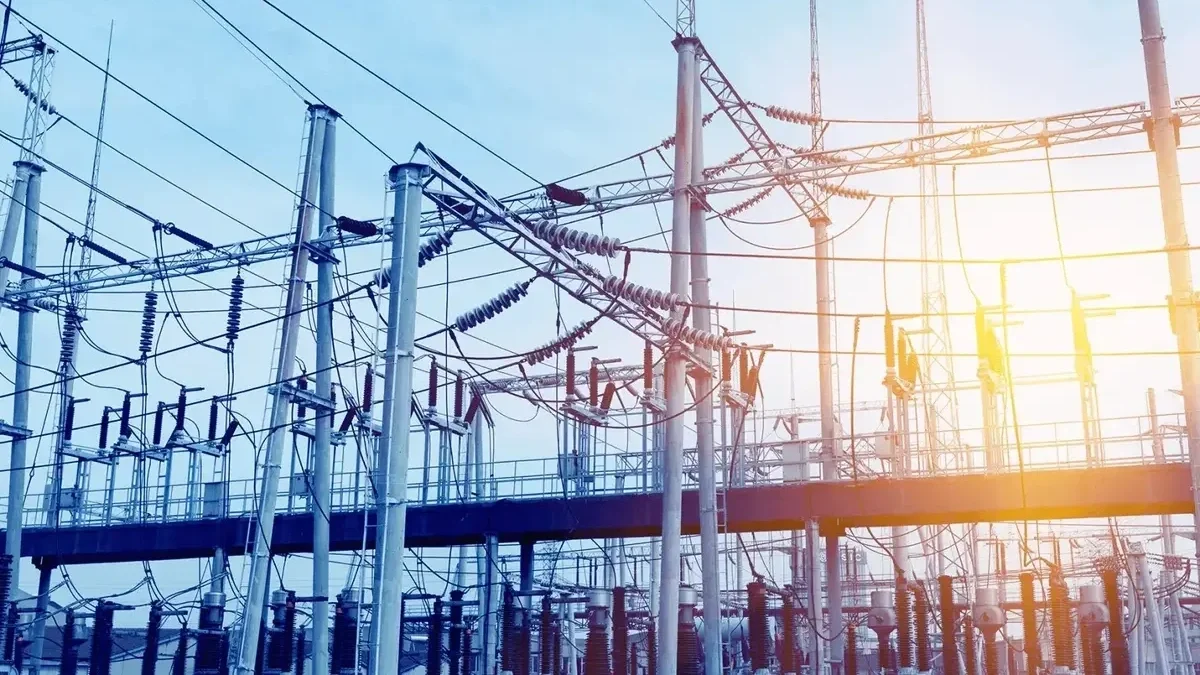
NERC Reports ₦669.5bn Collection Gap Across DisCos in 2025
Nigeria’s electricity distribution companies (DisCos) left ₦669.49 billion in billed electricity charges uncollected from customers in 2025, according to the Nigerian Electricity Regulatory Commission’s (NERC) 2025 Annual Report. The figure represents a significant revenue gap for the electricity distribution segment and continues to constrain liquidity across the Nigerian Electricity Supply Industry (NESI).
/ You Might Also Like /




DisCos Collected 77.6% of Bills
NERC reported that DisCos billed customers ₦2.99 trillion in 2025 but collected only ₦2.32 trillion.
The ₦2.32 trillion collected represented a collection efficiency of 77.60%, meaning DisCos recovered about ₦77.60 for every ₦100 billed to electricity consumers.
The collection gap increased from ₦536.95 billion in 2024 to ₦669.49 billion in 2025, representing a rise of ₦132.54 billion, or 24.7%.
Electricity Worth ₦694.8bn Went Unbilled
The revenue challenge extends beyond unpaid bills.
NERC said DisCos received electricity worth ₦3.68 trillion during 2025 but billed customers for only ₦2.99 trillion. This produced a gross billing efficiency of 81.14%, leaving electricity worth approximately ₦694.80 billion unbilled.
The figures show that the sector faces two separate commercial challenges: electricity that reaches DisCos but does not translate into customer bills, and bills that DisCos issue but fail to collect.
Both gaps reduce the revenue available to sustain electricity distribution operations.
Revenue Gaps Continue to Weaken Power-Sector Liquidity
NERC said billing and collection inefficiencies continued to weaken the financial liquidity of the Nigerian electricity market and limit the industry's capacity to support new investment.
The financial position of DisCos remains important to the wider electricity value chain because distribution companies sit between electricity suppliers and consumers.
Weak revenue collection can affect their ability to meet market obligations, maintain distribution infrastructure and invest in network improvements.
DisCos Had ₦1.63tn Market Remittance Obligation
The report also showed that the Nigerian Bulk Electricity Trading Plc (NBET) and Market Operator issued ₦1.72 trillion in gross invoices to DisCos during 2025 for energy costs and administrative services.
DisCos remitted ₦1.63 trillion, representing 94.80% of their obligations and leaving a market shortfall of ₦89.58 billion. NERC classified the outstanding amount as an underpayment attributable to market participants.
The figures highlight the interconnected nature of liquidity challenges across the electricity value chain.
Metering Remains Central to Revenue Improvement
Nigeria has continued to pursue metering and other reforms aimed at improving billing accuracy and reducing estimated billing.
The Federal Government approved ₦28 billion in October 2025 under the Meter Acquisition Fund Tranche B scheme for the procurement and installation of prepaid meters.
Greater metering can help electricity distributors measure actual consumption, improve billing accuracy and reduce disputes between consumers and DisCos.
However, metering alone cannot resolve the sector's collection problems if consumers remain unable or unwilling to pay their bills or if distribution companies continue to experience technical and commercial losses.
Electricity Liquidity Has Implications for Infrastructure Investment
The revenue gap has implications beyond electricity distribution.
A financially stronger power sector would have greater capacity to invest in transformers, substations, distribution lines, metering systems and other infrastructure required to improve electricity reliability.
This is particularly relevant to Nigeria's property and construction sectors, where developers increasingly factor electricity availability into the design, cost and commercial viability of housing projects.
Reliable power can reduce dependence on private generators and lower the operating costs of residential estates, commercial buildings and mixed-use developments.
Power Costs Affect Housing Development
Electricity reliability also influences the cost of managing completed properties.
Developers and estate managers frequently have to provide alternative power arrangements where public electricity supply remains unreliable. The cost of diesel, generators, maintenance and backup systems can increase service charges and ultimately affect housing affordability.
For new developments, the availability and reliability of electricity can also influence where developers choose to invest.
Improving the financial health of the electricity distribution sector could therefore have wider benefits for real estate if it translates into more reliable supply and stronger investment in distribution infrastructure.
Electricity Act Reforms Seek Greater Private Participation
The revenue challenges come amid reforms introduced through the Electricity Act 2023.
The Act replaced the Electric Power Sector Reform Act 2005 and removed electricity from the Exclusive Legislative List, allowing states and private entities to participate more directly in electricity generation, transmission and distribution.
The reforms aim to promote competition, attract investment and expand electricity access.
However, NERC's latest figures indicate that improving the financial sustainability of the distribution segment remains a major requirement for the sector to attract and sustain the investment needed for expansion.
Outlook
The ₦669.49 billion collection gap recorded by DisCos in 2025 highlights the scale of Nigeria's electricity revenue challenge.
While collection efficiency stood at 77.60%, the increase in unpaid bills from ₦536.95 billion in 2024 shows that the absolute value of uncollected revenue continues to rise.
For Nigeria's power sector, improving metering, billing accuracy, payment discipline and financial management will remain critical to strengthening liquidity and supporting new infrastructure investment.
For the housing and construction sectors, a more financially sustainable electricity market could help reduce the cost of providing power to developments and improve the long-term viability of residential and commercial projects.
READ MORE