Only 4 of 96 Delta Housing Units Near Completion After Two Years
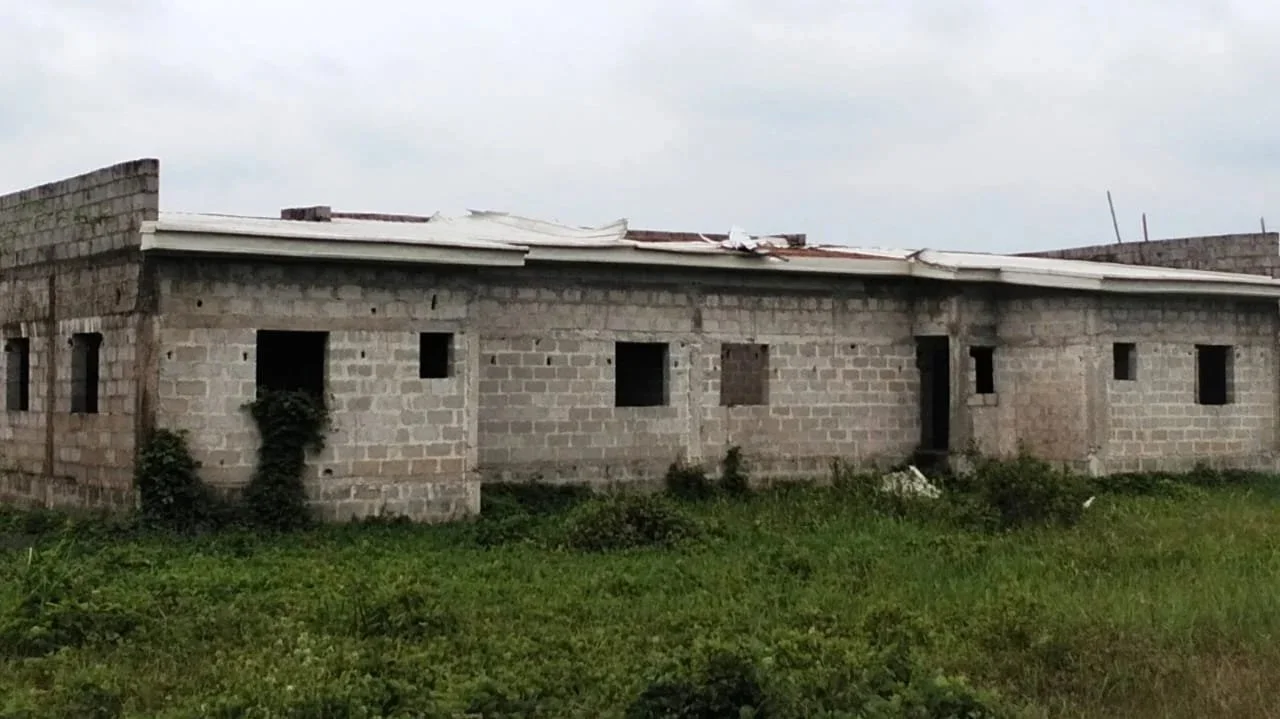
Only four of 96 units at the Delta Renewed Hope housing project were nearing completion during inspection
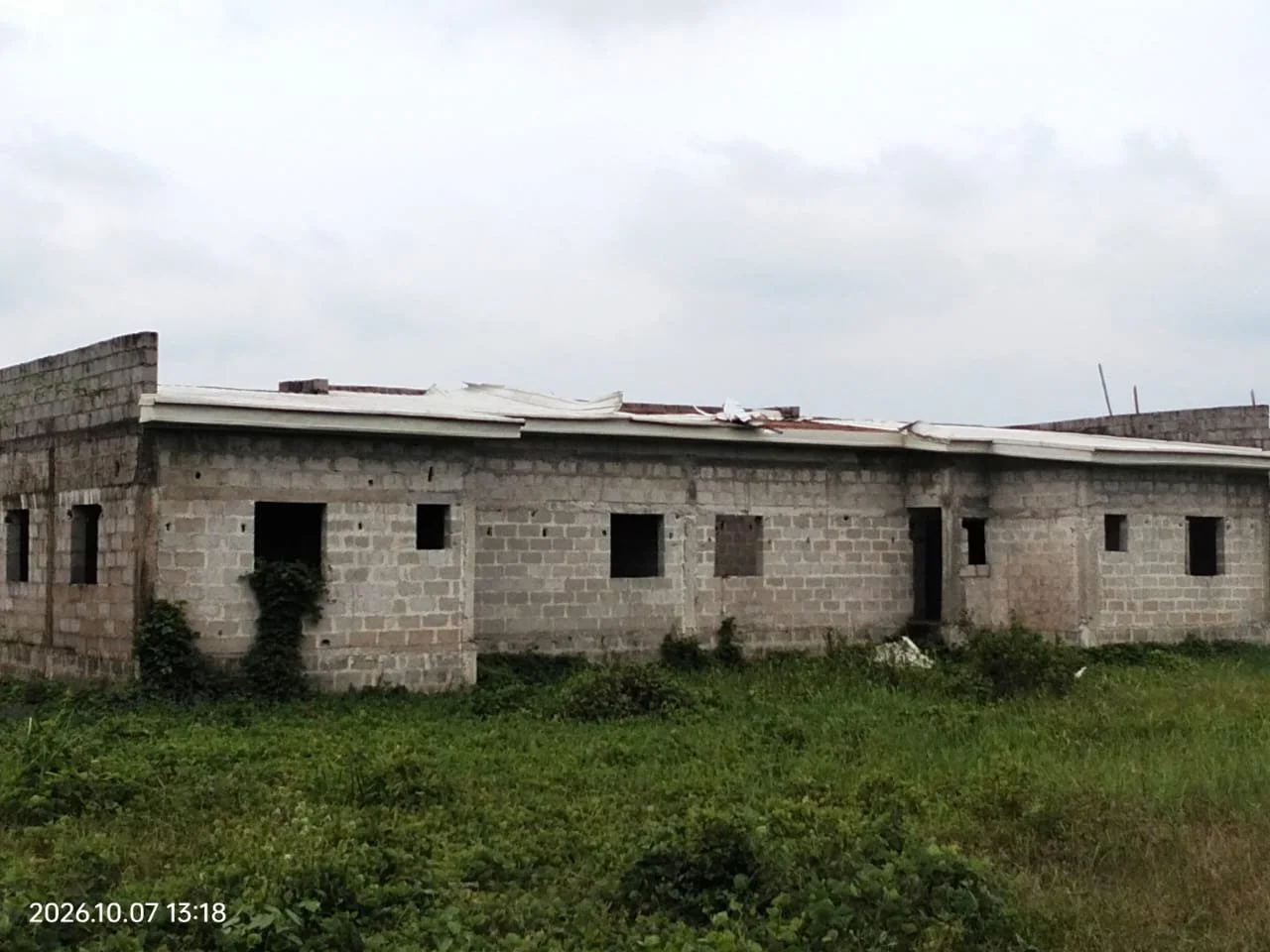
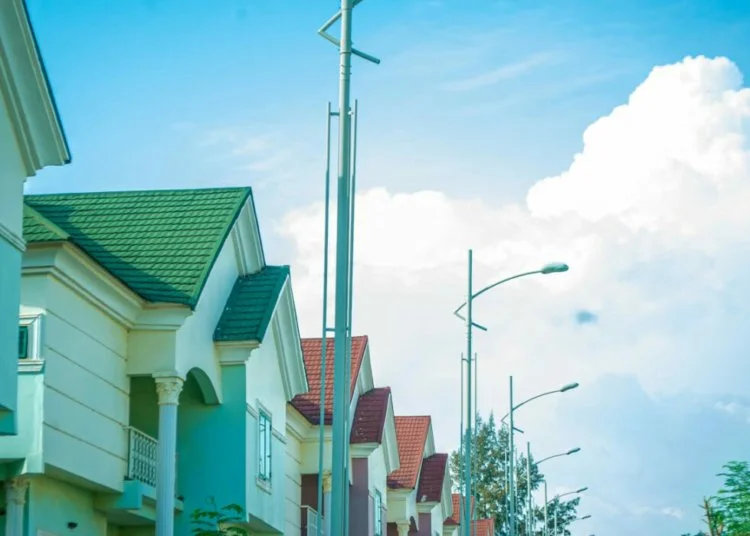
Only four of the 96 housing units under the Federal Government’s Renewed Hope Affordable Housing Programme in Delta State were nearing completion during an inspection, raising concerns over construction delays, workmanship and the delivery of essential infrastructure.
The Fiscal Responsibility Commission (FRC) and the Federal Ministry of Housing and Urban Development raised the concerns after the FRC’s South-South Verification Team inspected the project along the Asaba-Uvwie-Ekpan axis.
/ You Might Also Like /




The team found that several components remained unfinished or had not commenced, despite the contracts reportedly being awarded in 2024. Inspectors also identified roofing defects, including damage to installed roofing sheets caused by wind.
Inspection Raises Questions Over Project Execution
The inspection formed part of the FRC’s ongoing physical verification of selected Federal Government projects across the South-South region.
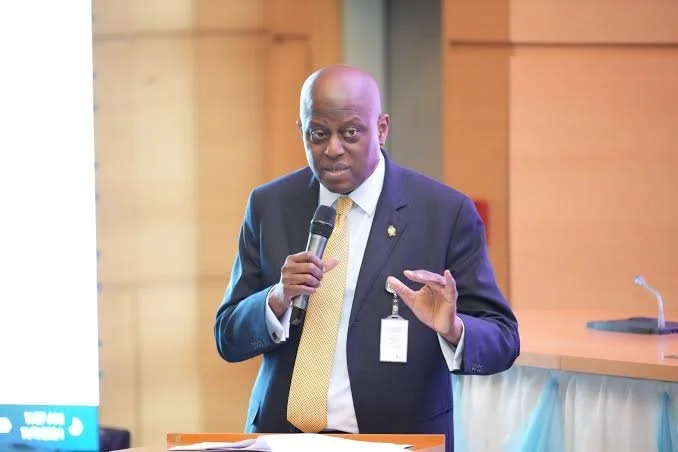
Bede Ogueri Anyanwu, team lead and head of the commission’s Strategic Communications Directorate, said the level of work observed at the site fell short of the objectives of the Renewed Hope Affordable Housing Programme.
He urged the contractors responsible for the outstanding work to return to the site and complete their assignments in line with approved specifications and quality standards.
The team specifically called on Goodnews Creative Ideas Limited and First Class Capital Project Limited to resume work and address outstanding components, particularly roofing.
The findings raise questions about how effectively project schedules, contractor performance and construction standards have been monitored since work began.
Roofing Defects Raise Construction Quality Concerns
Beyond the slow pace of construction, inspectors reported that wind had damaged some roofing sheets installed on sections of the buildings.
The damage prompted concerns about the durability of the materials and whether contractors had installed them to the required standards.
For housing projects, construction quality affects more than the initial appearance of completed buildings. Defective roofing can expose interiors to rainwater, increase maintenance costs and undermine the long-term performance of homes intended for occupation.
The findings reinforce the need for appropriate materials, competent installation and effective quality control throughout construction. They also highlight the importance of inspecting completed components before contractors receive final approval for their work.
The inspection report did not establish the full cost of the defects or specify the repairs required across the estate. Those details would be necessary to assess the financial implications and determine the remedial work needed.
Roads, Drainage and Electricity Works Remain Outstanding
The verification team also sought explanations for the failure to commence or complete several infrastructure components.
Gozcon Investment was identified as the contractor responsible for electricity works. Blue Sea Investment Limited was handling road and drainage infrastructure, while Goodnews Creative Ideas Limited was also engaged for road and drainage works.
Ecosphere Consulting Limited was identified as the consultant responsible for the project’s Environmental and Social Impact Assessment.
The outstanding works matter because housing delivery depends on more than completing residential structures. Roads, drainage and electricity are essential to making an estate accessible, functional and suitable for occupation.
Without these facilities, completed buildings may remain difficult to access or costly to occupy. Inadequate drainage can also create water-management problems, while delays in electricity provision can increase residents’ dependence on alternative power sources.
Coordinating housing construction with infrastructure delivery is therefore essential to ensuring that public investment produces usable homes rather than unfinished buildings.
Housing Ministry Representative Cites Inadequate Feasibility Studies
Architect Uche Nwati, representing the Controller of the Federal Ministry of Housing and Urban Development in Delta State, was invited to explain the project’s limited progress.
Nwati attributed some of the challenges to what he described as inadequate feasibility studies before the contracts were awarded. He also expressed dissatisfaction with the level of work completed at the site.
Feasibility studies help project owners assess site conditions, technical requirements, costs, infrastructure needs and implementation risks before construction begins.
Weak preparation can lead to design changes, unexpected expenses, delays and coordination problems during execution. Where several contractors handle different components of a development, inadequate planning can also make it harder to sequence construction and ensure that each element is ready when needed.
The comments point to the importance of completing sufficient technical and financial assessments before awarding contracts, particularly for projects intended to provide affordable housing.
However, the inspection report did not provide detailed feasibility documents, contract values or a complete breakdown of the reasons for each outstanding component.
Delays Raise Questions About Value for Public Money
The FRC’s verification exercise is intended to assess project implementation, value for money and compliance with approved standards, specifications and timelines.
At the Delta estate, the gap between the number of planned units and the number nearing completion underscores the importance of monitoring public projects against measurable milestones.
Delayed construction can increase project costs, postpone the intended social benefits and leave public investment tied up in assets that are not yet ready for use. If defects require remedial work, additional expenditure may also be necessary before the homes can be occupied.
For affordable housing programmes, these delays have direct implications for prospective beneficiaries waiting for access to accommodation.
The commission urged contractors handling Federal Government projects to meet their contractual obligations and deliver work within approved timelines and to the required standards.
Outlook
The inspection of the 96-unit Renewed Hope Affordable Housing Programme project in Delta State has highlighted concerns over construction progress, roofing quality, infrastructure delivery and project preparation.
With only four units nearing completion at the time of inspection, the immediate priority is to establish clear remedial actions, resume outstanding works and verify that completed components meet approved specifications.
The wider lesson for public housing delivery is the importance of effective feasibility studies, coordinated contracting, regular site inspections and transparent performance monitoring.
For the Renewed Hope Affordable Housing Programme, the measure of progress will ultimately be the number of homes completed to the required standard, supported by essential infrastructure and made available to the households they are intended to serve.
READ MORE