Oando Clean Energy delivers 11 additional electric buses to LAMATA
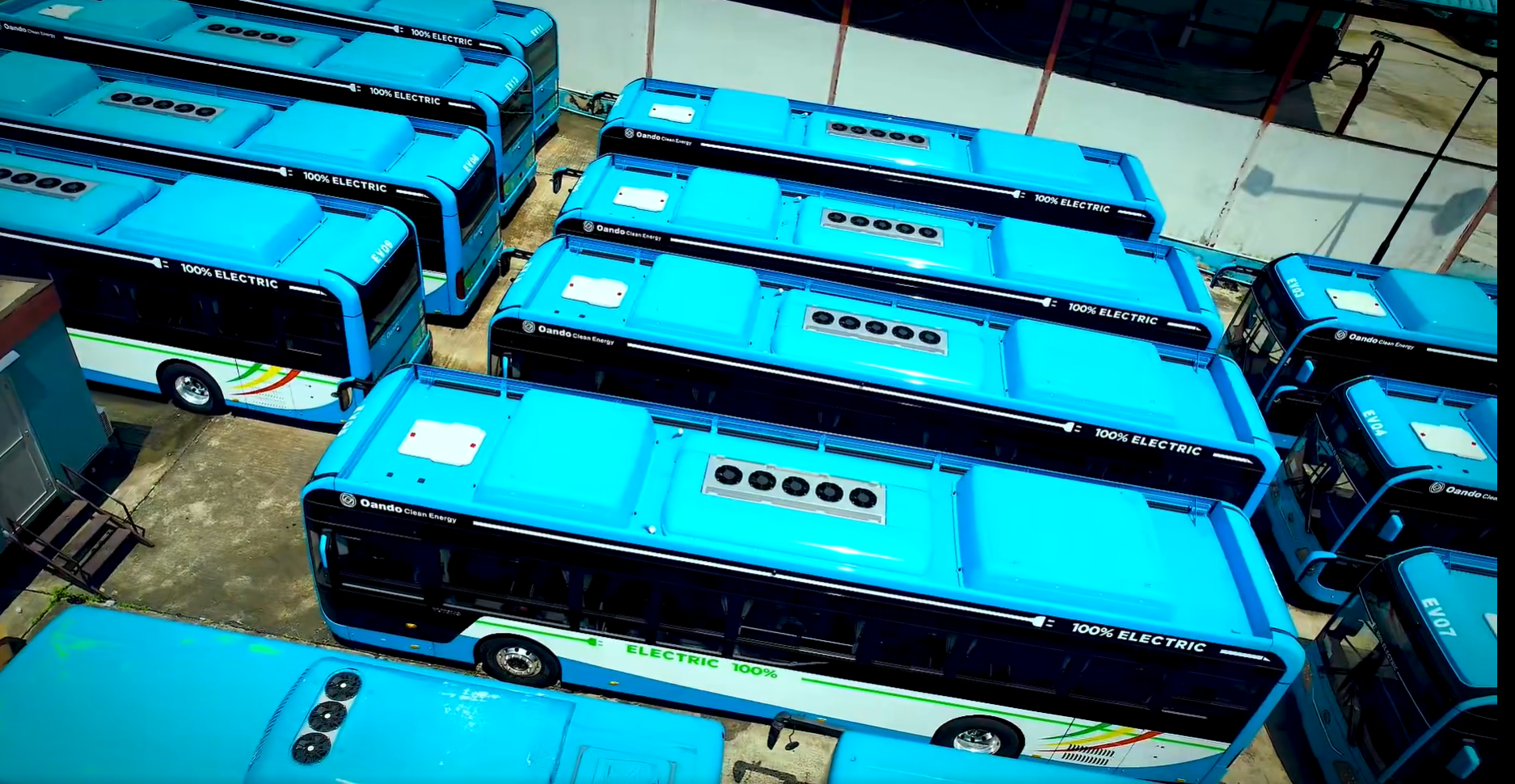
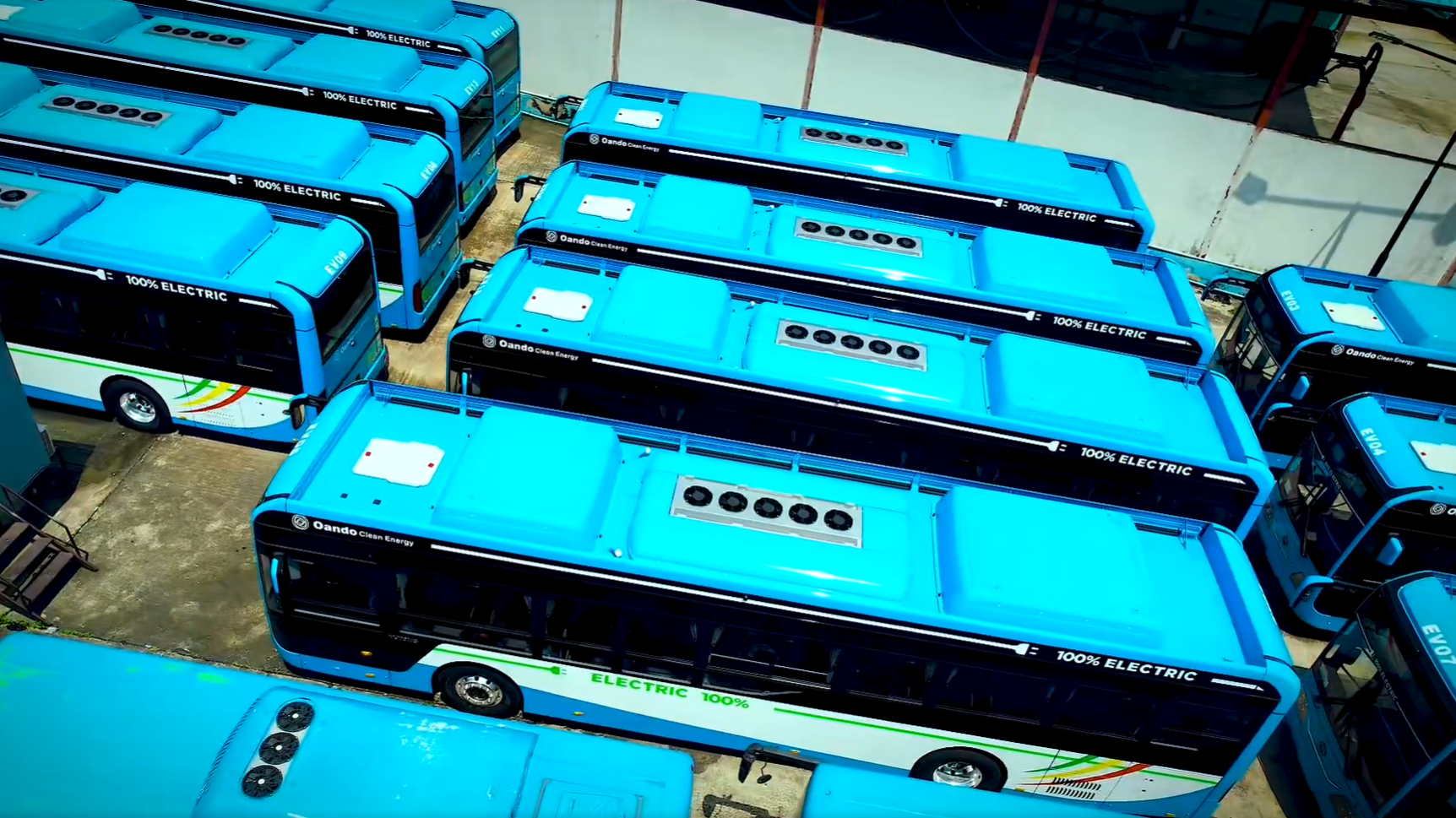
Lagos State has received 11 additional electric buses supplied by Oando Clean Energy Limited to the Lagos Metropolitan Area Transport Authority (LAMATA), advancing a long-term plan to deploy 552 electric buses across the state's public transport network.
The latest delivery brings the number of electric buses supplied by Oando under its partnership with LAMATA to 13, including two pilot buses introduced in May 2023.
/ You Might Also Like /




Hadiza Adukonu, Vice President of Opportunity, Maturation and New Ventures at Oando Clean Energy, said the 11 buses represent the first batch of an additional 50 vehicles planned for Lagos. The company expects to deliver the remaining 39 buses as it progresses towards the wider deployment target.
The partnership began in 2022 through a memorandum of understanding between Oando Clean Energy and LAMATA to develop electric mass transit and supporting infrastructure in Lagos.
New Buses to Expand Cleaner Public Transport
The buses, manufactured by China's Yutong, can accommodate 39 seated passengers and 40 standing passengers. Their features include air conditioning, Wi-Fi, 360-degree cameras, additional security cameras and wheelchair access, alongside priority seating for elderly passengers.
The initial two electric buses have already provided operational data for the project. Oando said they transported 788,000 passengers and covered 433,000 kilometres between May 2023 and the latest announcement.
Over the period, the buses avoided the consumption of approximately 216,000 litres of diesel. They used 584,000 kilowatt-hours of electricity and recovered a further 192,000 kilowatt-hours through regenerative braking.
The figures provide an early indication of the operational potential of electric buses in Lagos, although the performance and cost implications of expanding the fleet will depend on charging infrastructure, maintenance, utilisation and electricity supply.
LAMATA Moves to Phase Out Diesel Buses
The delivery comes as Lagos implements a policy to progressively replace diesel-powered buses in its regulated public transport system with cleaner alternatives.
Since the beginning of 2026, LAMATA has restricted operators introducing new buses to compressed natural gas (CNG) and electric vehicles. Existing diesel buses are also expected to be phased out over time.
The policy supports Lagos State's ambition to achieve net-zero emissions by 2050. The state's transport strategy also targets a transition towards cleaner energy across its public transport fleet.
The shift is intended to reduce transport-related emissions, air pollution and noise while lowering dependence on conventional fuels.
Implications for Lagos Transport and Property Markets
The expansion of electric buses could influence commuting patterns and the attractiveness of locations served by Lagos' regulated public transport network.
More reliable and accessible public transport can improve connections between residential communities, commercial districts and employment centres. This could strengthen demand for housing in areas where residents gain easier access to major economic hubs without relying entirely on private vehicles.
For property developers, improved public transport can also support higher-density development around established routes and transport interchanges. However, the impact on property values will depend on service frequency, route coverage, affordability and the reliability of supporting infrastructure.
The transition also presents operational challenges. Electric buses require dependable charging facilities, electricity supply, technical maintenance and access to replacement parts. Scaling the fleet without developing these supporting systems could limit vehicle availability and increase operating costs.
Lagos' progress towards a 552-bus target will therefore depend not only on vehicle deliveries but also on the infrastructure and commercial arrangements needed to keep the buses running.
READ MORE