Workers across Osun State have commenced a three-day sympathy strike following a directive by the Nigeria Labour Congress (NLC) to demand the release of statutory allocations due to the state's 30 local government areas.
The industrial action began at midnight on Sunday, November 8, and is scheduled to end at midnight on Wednesday, November 11, 2026. The NLC said the strike is in solidarity with the Nigeria Union of Local Government Employees (NULGE), whose members have faced prolonged difficulties arising from the dispute over access to council funds.
/ You Might Also Like /




In a statement jointly signed by Osun NLC Chairman Christopher Arapasopo and Secretary Victor Amusan, the congress said the action followed the expiration of a seven-day ultimatum issued to the Federal Government and the Osun State Government.
The union maintained that both governments had failed to resolve the issues raised within the deadline, leaving it with no option but to proceed with industrial action.
The NLC directed all affiliate unions across the state to notify their members and ensure full compliance. It also warned that unions found deliberately undermining the strike could face disciplinary measures.
Dispute Over Local Government Allocations Triggers Labour Action
The strike stems from a prolonged dispute over the control and release of statutory allocations meant for Osun's local government councils.
The disagreement is linked to a political and legal battle between the Osun State Government and the All Progressives Congress (APC) over control of the 30 councils.
The crisis intensified in February 2025 after rival political groups clashed over control of local government secretariats. The police confirmed six deaths during the violence, including Remi Abbas, the then APC-elected chairman of Irewole Local Government Area.
The dispute subsequently affected access to local government funds, with the APC arguing that the council elections conducted by the state government were unlawful and urging the Federal Government to withhold allocations.
In December 2025, the Supreme Court dismissed a suit filed by the Osun State Attorney-General seeking to compel the release of withheld allocations directly to the councils led by officials elected in February 2025. The court held that the Attorney-General lacked the legal authority to institute the case on behalf of the 30 local government areas.
Salary Intervention Has Not Resolved Workers' Concerns
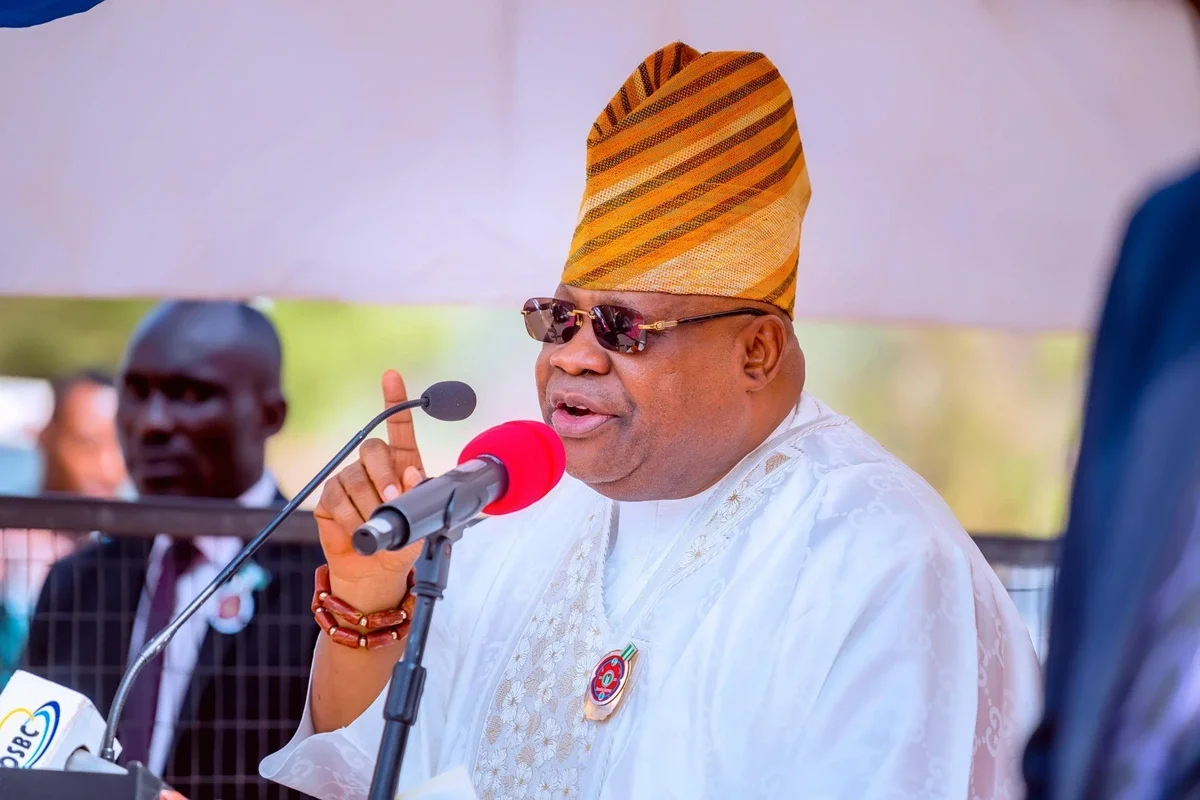
Osun NLC acknowledged that Governor Ademola Adeleke had intervened by paying local government workers their net salaries without deductions.
However, the union argued that the intervention could not replace the regular release of statutory allocations due to the councils.
The prolonged funding dispute has raised concerns about local governments' ability to meet salary obligations, pay allowances and deductions, and provide essential services.
The NLC described the difficulties confronting local government employees as a collective concern for the labour movement, insisting that workers' welfare and economic security require a lasting resolution.
The congress had also warned that continued failure to address the dispute could lead to peaceful picketing of United Bank for Africa branches across Osun from Thursday, November 12.
Local Government Funding Crisis Raises Questions Over Service Delivery
The dispute extends beyond workers' salaries to the capacity of local governments to deliver basic services and maintain public infrastructure.
Local councils play important roles in grassroots development, including primary healthcare, local roads, sanitation and community-level infrastructure. Prolonged uncertainty over their finances can disrupt these responsibilities and weaken service delivery.
For residents and businesses, the consequences could include delays in local infrastructure projects, reduced maintenance of public facilities and interruptions to services that support economic activity.
The dispute also highlights the importance of predictable local government funding and transparent financial administration. While the constitutional framework provides for direct allocations to local councils, political disagreements over council administration and control can undermine the practical operation of local government finances.
Resolving the impasse will therefore require more than a temporary salary intervention. It will require a clear and sustainable arrangement for accessing council allocations, meeting workers' entitlements and restoring the capacity of local governments to discharge their responsibilities.
READ MORE